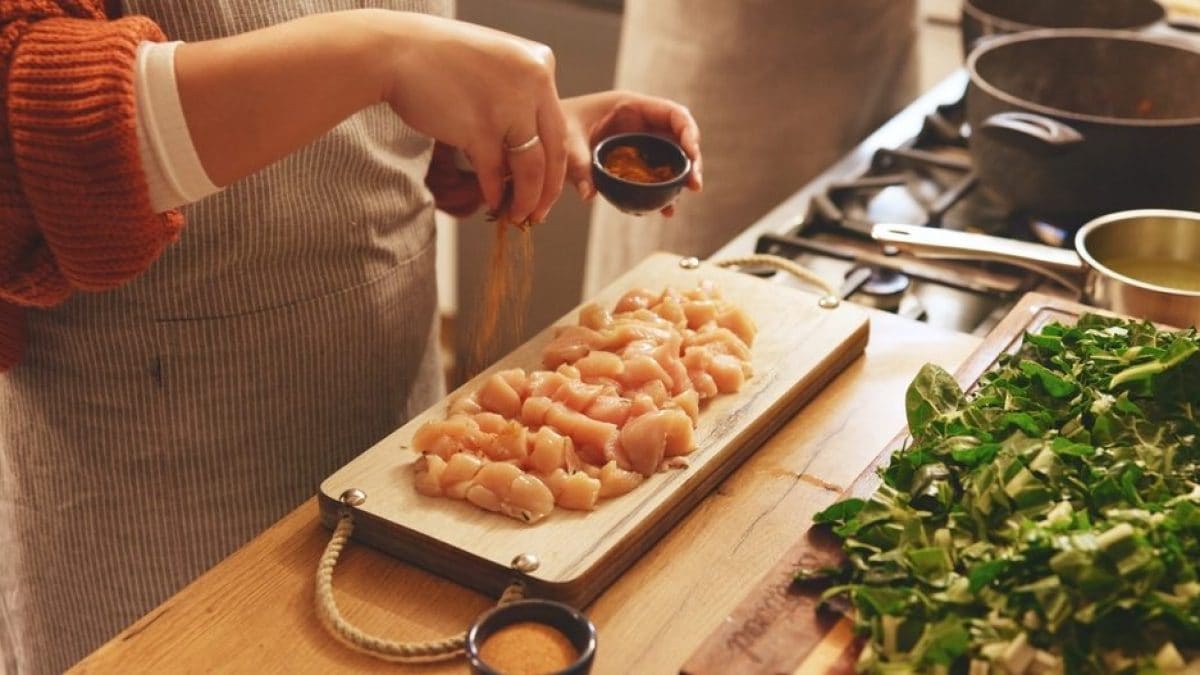
Chicken and turkey are among the most consumed meats because they are versatile, light, economical, and suitable for a wide variety of preparations, from quick pan-fried dishes to roasts, grilled dishes, and stews. This apparent simplicity, however, often leads to their underestimation. Unlike fattier cuts like beef or pork, poultry contains a limited amount of intramuscular fat, the element that helps maintain tenderness and juiciness during cooking. Therefore, it doesn't take much to compromise the final result: a few minutes too long on the heat can transform a tender breast into dry, stringy meat, while incorrect temperature management can result in uneven cooking. Even the skin, which should be golden and crispy, risks remaining soft if not treated correctly.
The problem, in most cases, isn't the quality of the raw ingredients, but rather a series of mistakes made throughout the various stages of chicken and turkey preparation, from preserving to marinating, from cooking to resting. Knowing the most common mistakes is the best way to achieve flavorful, juicy, and perfectly cooked chicken or turkey: here are all the mistakes to avoid when cooking delicate meats like chicken or turkey.
1. Cooking Them as Soon as They Are Taken Out of The Fridge

Placing a chicken breast, turkey breast, or roast in a pan or oven while still cold from the refrigerator will result in less uniform cooking: the outside immediately comes into contact with the heat and tends to toughen, while the center takes longer to reach the correct temperature. The result is meat that's cooked on the outside but still undercooked inside, or dry because it's left on the heat too long. There's no need to leave it out for hours: about 20-30 minutes is enough for whole or thicker cuts. For bite-sized pieces, strips, and thin slices, this is less of a problem, because they cook quickly and more evenly.
2. Washing The Meat Under Running Water

Rinsing raw chicken or turkey is a very common mistake. The problem isn't so much the meat itself, but the splashes of water that can spread bacteria to the sink, countertops, utensils, and other items in the kitchen. This increases the risk of cross-contamination, the inadvertent transfer of microorganisms from a raw food item to other foods or surfaces.
Preventing foodborne infections depends primarily on the proper handling of raw foods and their adequate cooking: in the case of poultry, any bacteria such as Salmonella are eliminated by heat, while improper handling can encourage their spread in the kitchen. If the meat appears moist, simply pat it dry with kitchen paper before cooking: this measure, in addition to being more hygienic, also promotes better browning of the surface.
3. Putting Too Much Meat in The Pan

When you overfill the pan with chunks, thighs, or slices, the temperature drops rapidly. The meat releases water, the pieces begin to boil in their own juices, and the browning process fails. This is why pan-fried chicken and turkey often turn pale, rubbery, and have a watery base. The rule of thumb is simple: the pieces should be in a single layer with room between them. If you need to cook a large amount, it's best to proceed in two batches. First, brown the meat thoroughly, then, if necessary, combine it all in the pan with the seasoning.
4. Using The Same Cooking Method for Breast, Thighs and Drumsticks

Not all cuts behave the same way: breasts tend to cook quickly and dry out easily, as they lack fat or connective tissue, while legs, drumsticks, and wings have more connective tissue and fat. They hold up better to longer cooking times and become more flavorful if browned thoroughly and then cooked slowly. Treating a drumstick like a breast slice results in less tender meat near the bone, and vice versa. Quick, controlled cooking is best for breasts; for legs and drumsticks, the oven, a pan with a lid, or a combination of these methods work best.
5. Skipping The Marinade for Leaner Cuts

Not all cuts of chicken and turkey have the same characteristics: as mentioned, chicken breast, turkey breast, and slices derived from the leanest cuts contain little intramuscular fat and therefore tend to lose moisture during cooking. For this reason, cooking them directly in a pan, on the grill, or in the oven without any preliminary preparation can easily result in dry, flavorless meat. A good marinade not only helps flavor the meat but also improves its juiciness. Ingredients such as yogurt, buttermilk, extra virgin olive oil, white wine, citrus fruits, herbs, and spices enhance the flavor without overpowering the delicate flavor of the poultry. Yogurt-based marinades are particularly suitable for chicken breast and turkey breast because they help keep the meat tender even after cooking. Even in these cases, however, excess should be avoided: highly acidic marinades made with lemon, vinegar, or wine left on for too long can alter the surface structure of the fibers, making the meat soft. For most cuts, one to four hours of refrigeration is sufficient, while for bite-sized pieces and slices, even less may be sufficient.
6. Turning The Meat Continuously

Turning chicken and turkey every few seconds prevents the surface from browning: the meat needs to remain still in contact with the hot pan to form a crust. If you move it too soon, it sticks, tears, and releases more juices. Resistance is the correct sign: if the piece remains stuck to the pan, it's probably not ready to be turned yet. Once the browning is formed, it comes off much more easily. This is especially true for turkey slices, bite-sized pieces, skin-on thighs, and turkey burgers.
7. Salting Larger Cuts at The Last Moment

When preparing a whole chicken, a turkey leg, or a roast, one of the most common mistakes is adding salt just before baking or, even worse, at the end. In these cases, salting ahead of time allows the seasoning to distribute more evenly and better flavor the meat. For large cuts, it can be helpful to salt a few hours before cooking and leave the meat in the refrigerator. This trick is particularly effective for roast chicken, thighs, drumsticks, and turkey breasts, which benefit from a more even seasoning. The situation is different for slices, strips, and morsels, which cook in just a few minutes: in these cases, salt can be added just before cooking (at least 10–15 minutes before) without significantly affecting the final result.
8. Only Relying on Meat's Color

Many people check the doneness of chicken and turkey based solely on the appearance of the meat: if it's turned white, they think it's done. However, color isn't always a reliable indicator. Some cuts may appear perfectly cooked on the outside while still being undercooked on the inside, especially near the bone or in particularly thick pieces. Conversely, continuing to cook "just in case" until the meat appears completely uniform often leads to the opposite problem: a dry, stringy breast or a turkey breast that's too dry.
Even the juices that escape from the meat are not always a reliable indicator: the only way to accurately verify the doneness of larger cuts is to check the internal temperature in the thickest part, avoiding touching the bone, which could distort the measurement. For chicken and turkey, the minimum safe temperature is 165°F/74°C at the core. For a whole chicken or a turkey roast, it is advisable to measure both the breast and the thigh, as these parts reach the correct temperature at different times: the breast tends to cook more quickly, while the thigh area generally requires a few minutes longer.
9. Cutting Meat Immediately After Removing It From The Heat

After carefully waiting for chicken or turkey to reach perfect cooking, many people make a final mistake that can compromise their juiciness: slicing them immediately. When the meat is still very hot, the juices concentrate toward the center; if it's sliced immediately, they end up on the cutting board instead of remaining in the fibers. This is especially important for whole breasts, turkey legs, roasts, and baked chickens: a few minutes of rest are enough for the juices to redistribute more evenly, making the meat more tender and pleasant to the bite. For small cuts, 3-5 minutes is enough, while for roasts and larger preparations, it's advisable to wait at least 10-15 minutes before slicing.
A common mistake is to completely cover the meat with aluminum foil or airtight lids while it rests: the steam that forms can soften the surface and compromise the crust obtained during cooking.
10. Reheating Leftovers as If They Were Freshly Cooked

Chicken and turkey are particularly delicate meats once cooked: if they are left over and stored properly in the refrigerator, the main problem isn't so much storage as how they are reheated the next day. Many people make the mistake of re-sautéing breast and turkey breast over high heat or leaving them in the microwave for too long: being low-fat cuts, they tend to quickly lose residual moisture, becoming tough and dry. To avoid this, it's best to gently reheat them, adding a little broth, water, or leftover cooking juices to replace some of the lost moisture. Alternatively, especially for chicken breast, turkey breast, and sliced roasts, the best solution is often to eat them cold in salads, sandwiches, or summer dishes, avoiding re-cooking them, which could compromise their texture.
;Resize,width=767;)
