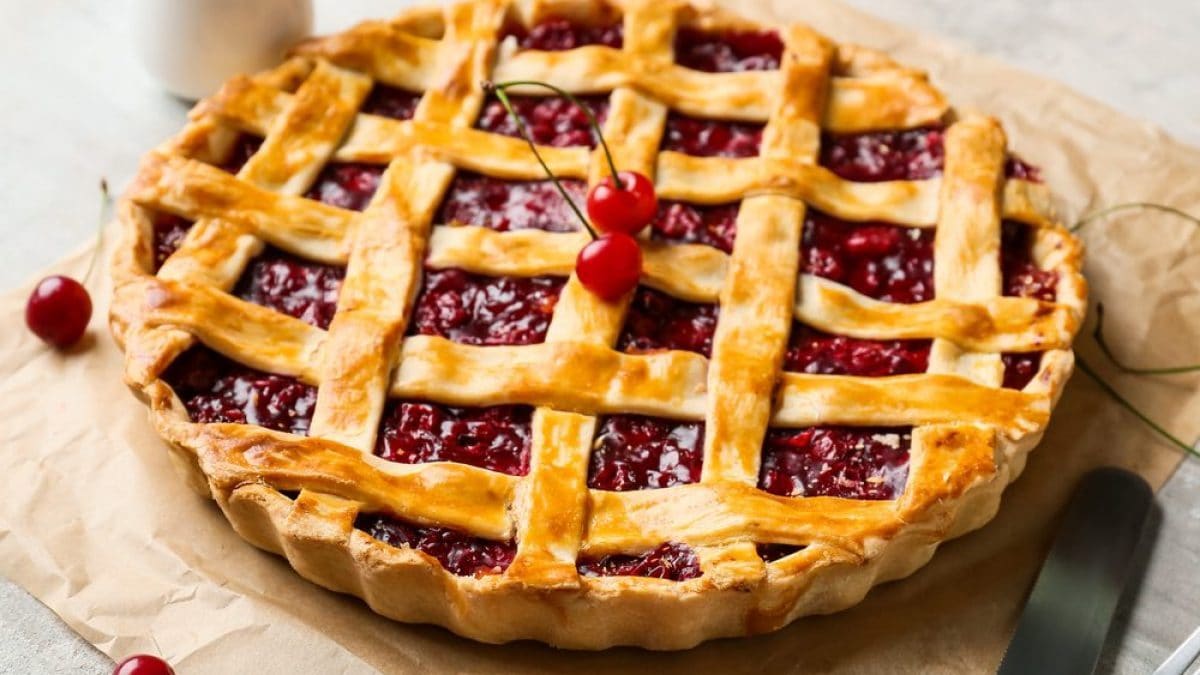
We say pie, but it would be better to use the plural, thanks to the many variations of this authentic, homemade dessert. These range from classics like those with apricot jam or custard and fresh fruit, to versions with chocolate, mascarpone, or citrus-flavored fillings, not to mention single-serving or savory options. Staying within the realm of home baking, pies are considered a simple cake, perfect for breakfast, a snack, or a dessert, even a birthday cake. Be careful, though, because it's not a predictable dessert, just like the mistakes that can ruin the final result, from poorly made shortcrust pastry to overly runny fillings or incorrect baking methods: let's see what the most common ones are and how to avoid them.
1. Getting The Shortcrust Pastry Wrong
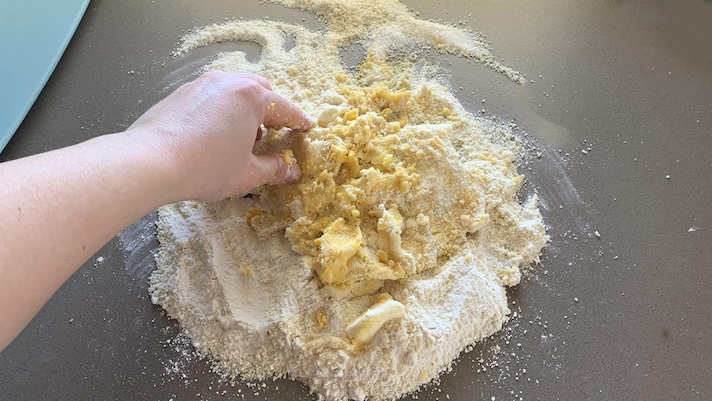
To make the dough correctly, you need to pay attention to a few details. First of all, the ingredients must be incorporated in order, first creating a sandy mixture with the butter, flour, and sugar: you can use very fine-grained granulated sugar (it dissolves better), but the trick we suggest in our shortcrust pastry recipe is to opt for powdered sugar, which will make it even softer. Only then add the aromas, such as grated lemon zest and vanilla seeds, without forgetting a pinch of salt, which adds flavor and makes the pastry more golden when cooked. Mix and finish with the eggs and flour (preferably a weak 00 flour, since no leavening is required), so as to obtain a homogeneous texture that can then be shaped into a loaf: you can carry out the entire operation in a bowl, which makes incorporating the various ingredients more practical.
2. Using Room-Temp Butter
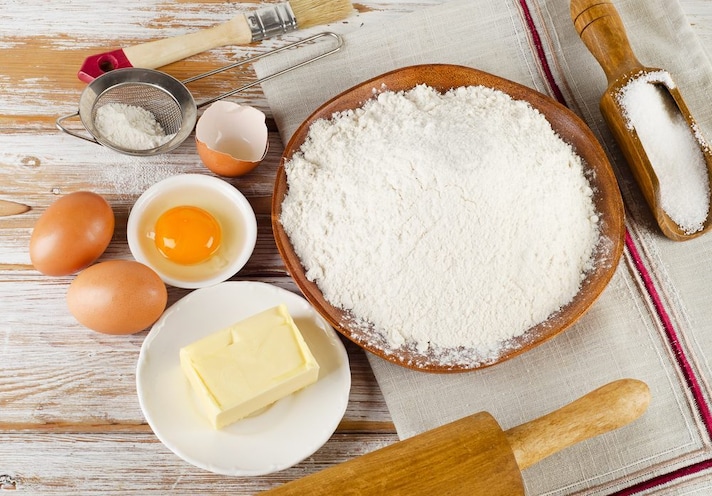
Among the most common mistakes is giving too little importance to the temperature of the ingredients: in shortcrust pastry, it's essential that the butter, which is cut into cubes, is very cold from the refrigerator, so as to give the mixture a crumbly, non-greasy consistency. Avoid working the dough for too long, either by hand or in a stand mixer: too much handling causes it to heat up and become tough.
3. Not Letting the Dough Rest
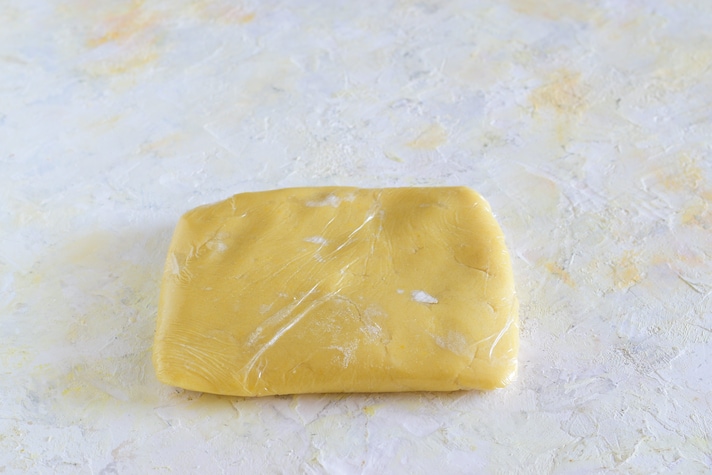
Rushing through the kitchen is a terrible enemy: specifically, the dough needs to rest in the refrigerator, allowing the ingredients to stabilize and making the shortcrust pastry easier to roll out; otherwise, it risks crumbling. Remember to wrap it well in plastic wrap, preventing it from absorbing moisture and drying out on contact with air. Leave it for at least an hour, preferably 2 or 3, or overnight, which is a good solution if you plan to make the tart at different times.
4. Letting The Dough Stick While You Roll It Out
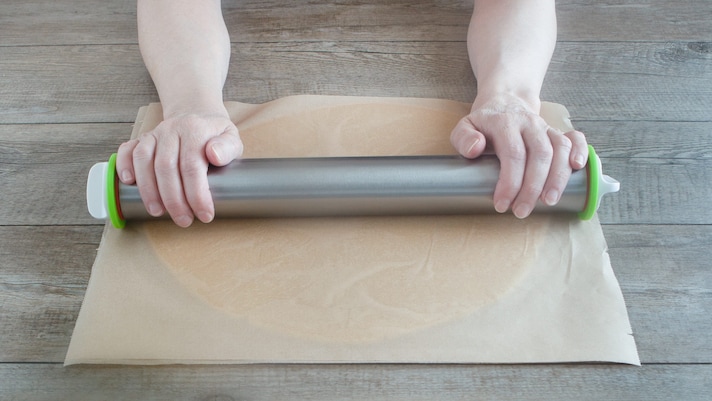
Once the dough has firmed up, it will have the right elasticity to be rolled out with a rolling pin. To prevent the pastry from breaking and sticking to the work surface or the utensil itself, you can place it between two sheets of parchment paper, which will help keep it intact. The thickness? 3 to 5 mm: it shouldn't dominate the filling, but rather become a balanced base. Remember to remove about ⅓ of the dough, which you will use for the decoration.
5. Not Pricking The Dough
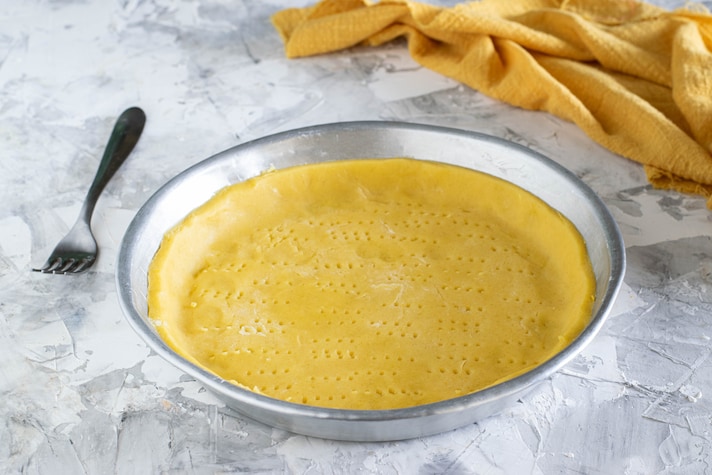
Once the pastry has been transferred to the nonstick pan, press it down tightly to the edges and trim off any excess, which you can then combine with the reserved dough. A helpful step to prevent the pastry from forming air bubbles during baking is to prick the surface with the prongs of a fork: don't overdo it with the amount or pressure, because the filling shouldn't drip to the bottom.
6. Underestimating the Filling
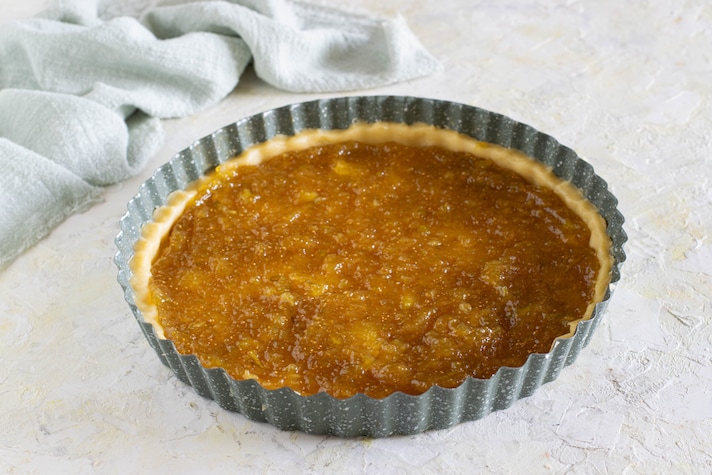
The other key ingredient in a classic tart is jam: you can make it at home or buy it ready-made, choosing a quality product with a dense, not runny, consistency for at least two reasons: a jam that's too runny can quickly penetrate the base, making it soft, and, with heat, it tends to become more fluid. Don't overdo it, either, or it risks leaking over the edges, even swallowing the topping strips.
7. Decorating With Little Precision
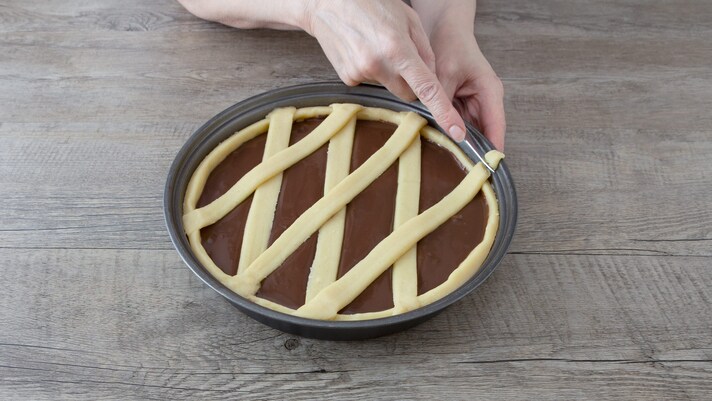
The tart is a rustic, homey dessert, often served as an alternative to more elaborate recipes to be on the safe side. However, it's best not to rush the decoration, which in the traditional version requires a mesh pattern: they can be loose (recommended for those who are less experienced), or close together, where greater precision is required to create a regular, harmonious network. Nothing prevents you from creating alternative designs, for example during holidays or special occasions, using cookie cutters in the shape of stars for Christmas or hearts, or creating two shortcrust pastry shells to serve filled pies like the amaretti pie.
8. Not Thinking About Blind Baking
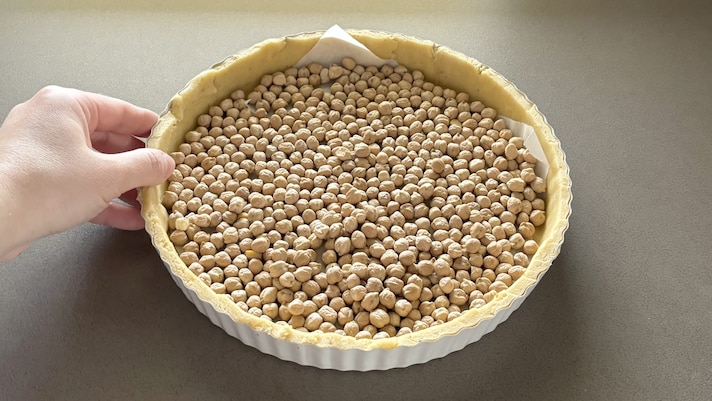
If you're working with tarts that require no-bake fillings and fresh fruit toppings, like the classic tart with custard and seasonal fruit, such as strawberries or kiwi, then opt for blind baking, meaning placing only the pastry shell in the oven. To prevent the base from deforming with the heat, distribute ceramic weights or legumes over the entire surface, which will prevent it from rising, just as you would with shortcrust pastry or puff pastry.
9. Baking It Wrongly
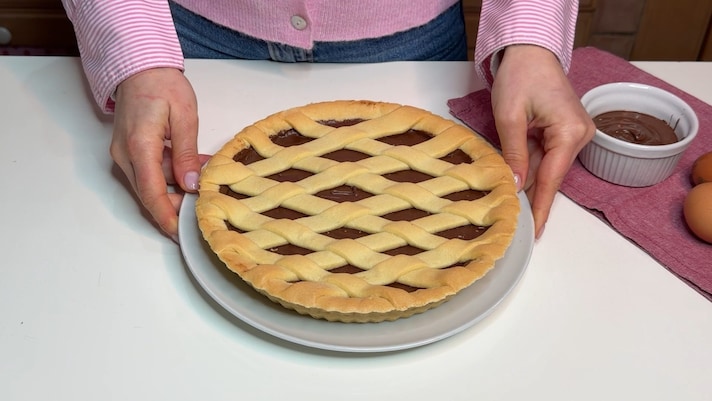
After all this work, you don't want to ruin the pie by baking it incorrectly, do you? The tart should be baked in a preheated oven at 180°C (350°F) for about 35-40 minutes, until the pastry is golden brown and the jam caramelizes slightly, but without hardening. If you notice the top is browning quickly and is in danger of burning, you can cover it with aluminum foil. We recommend experimenting with your oven: only then will you find the right combination. Finally, let it cool completely before cutting and serving.
10. Storing It Incorrectly
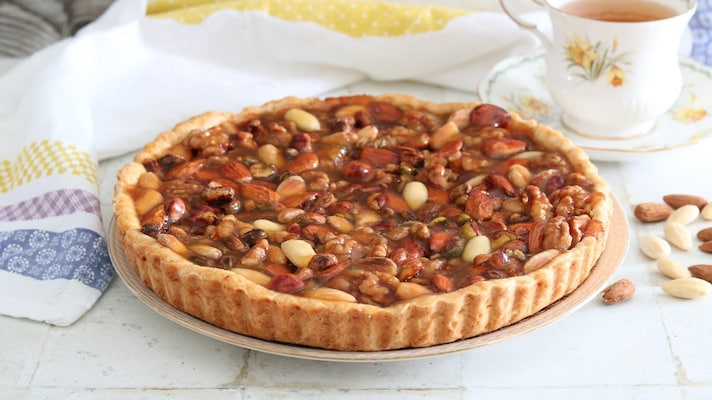
If the dessert doesn't call for fresh cream, there's no need to refrigerate it: the humidity will only soften the pastry, making it spoil more quickly. The tart is a pie that keeps perfectly for 2-3 days at room temperature, under a glass dome or wrapped in cling film.
;Resize,width=767;)
