Some of our most beloved foods, some of those we consume most, are toxic in some parts or become toxic through certain preparations. Some foods lead to poisoning, are potentially poisonous, or even lethal. We don't want to be alarmist, however: in most cases, we're talking about negligible toxicity and negligible risks, but it's interesting to see how our species has evolved to recognize even "how much" we can eat without harming ourselves. So let's look at the 12 toxic foods we regularly bring to the table.
From Apples, Cherries and Nutmeg to the Fearsome Puffer Fish
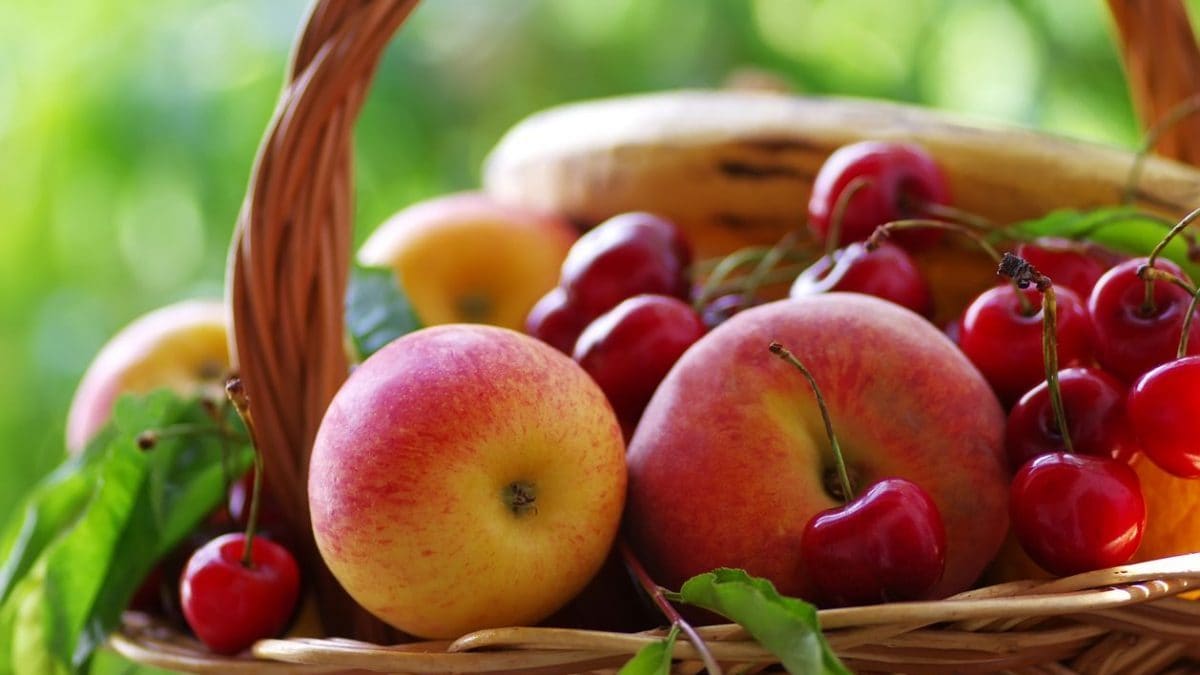
Let's start with the most insidious food of the bunch, because one leads to another: cherries. If you like cherries, you're willing to invest a lot of money to buy them, and you can eat tons of them without even realizing it. But it's important to never ingest the pit because it contains hydrocyanic acid, a very powerful poison common in plants. It blocks oxygen from the blood of most animals. Cherries themselves are harmless, but if you damage the pit with your teeth or ingest it, the acid is released from inside and can cause discomfort.

While cherries may be surprising, mushrooms are no slouch: even raw edible ones contain toxins that can cause digestive problems. Mushrooms should always be cooked because the substances they contain are "thermolabile," meaning they evaporate during cooking. Mushroom toxicity is well known, which is why it's recommended to always consume them in moderation and only allow children to try them, as they contain chitin, a substance that's difficult for humans to digest until puberty, when we develop the necessary enzymes to break it down.
Another vegetable well-known for its toxicity is the potato, which even carries an aura of "evil" dating back to the discovery of the Americas. The first people who bravely tried to eat potatoes suffered serious consequences because the sprouts and peel contain solanine, a toxic glycoalkaloid found in nightshades. Eating large amounts of solanine causes drowsiness, irritates the gastric mucosa, and if we are debilitated and eat too much, it can even be fatal. The dangers are eliminated by peeling the potatoes and removing all the sprouts. Another tip: don't eat green potatoes because the levels are so high that the toxic alkaloid isn't eliminated even by cooking. Speaking of solanine: we also find it in large quantities in tomatoes, especially in the stem and leaves, so we should never eat them. Solanine is also found in eggplants, but in smaller and negligible quantities.
Another food we need to be careful about, and one we eat very often, is beans: cooked, they're a perfect substitute for meat, a nutritious legume, rich in protein, and very tasty. Raw, however, beans are poisonous. To be blunt: they contain phytohemagglutinin, which causes nausea, diarrhea, and vomiting. One of the reasons we need to soak them before eating them is to flush out this lectin. In the United States, the FDA, the government agency that regulates food and pharmaceutical products, even recommends soaking them in hot water for five hours before eating to avoid risks.
Let's talk about a food that has made history in New York: nutmeg, whose toxicity has gone viral. Nutmeg should not be consumed in excess because it contains myristicin, a neurotoxic substance that causes hallucinations, convulsions, and permanent damage to fetuses if consumed by pregnant women. A little less common but widely used in baking is rhubarb: we must be very careful because only the stem of this plant is edible. The leaves contain a lot of oxalic acid, a highly laxative substance that can affect kidney function. Staying in the world of baking, we also find elderberry: we use the flowers for syrups and liqueurs, the berries for jellies and jams, but we must stop there. Everything else in the plant is poisonous and can cause countless problems. In fact, even the edible parts are toxic and, if consumed in excess, cause diarrhea.

Among the most unexpected are apples and almonds. The former are known to "keep the doctor away" if eaten one a day. It's true, they are among the healthiest fruits available, but the seeds are toxic because they contain amygdalin and, if consumed in large quantities, can be lethal. Don't worry, though: you need to eat about half a cup of seeds to die from apples, but be careful, in smaller quantities they can cause mood swings, depression, and breathing difficulties. Almonds, on the other hand, should be consumed in minimal quantities because they contain the same substance that produces cyanide. It takes about 50 bitter almonds to be lethal.
We conclude our roundup with a necessary bonus track, an uncommon, even illegal, food that is nevertheless a delicacy recognized throughout the world: fugu, the Japanese pufferfish. Just one milligram of this fish's poison can kill a human. Only a small portion of the animal is edible, and it's extracted from among so many poisonous parts. It's basically like "minefield," that old computer game: one wrong square and the bomb explodes. Fugu can be served fried or raw in Japan only in a few very select restaurants, and anyone who handles it must have a license, which is obtained after three years of specialized training involving both practical and theoretical exercises.
;Resize,width=767;)
