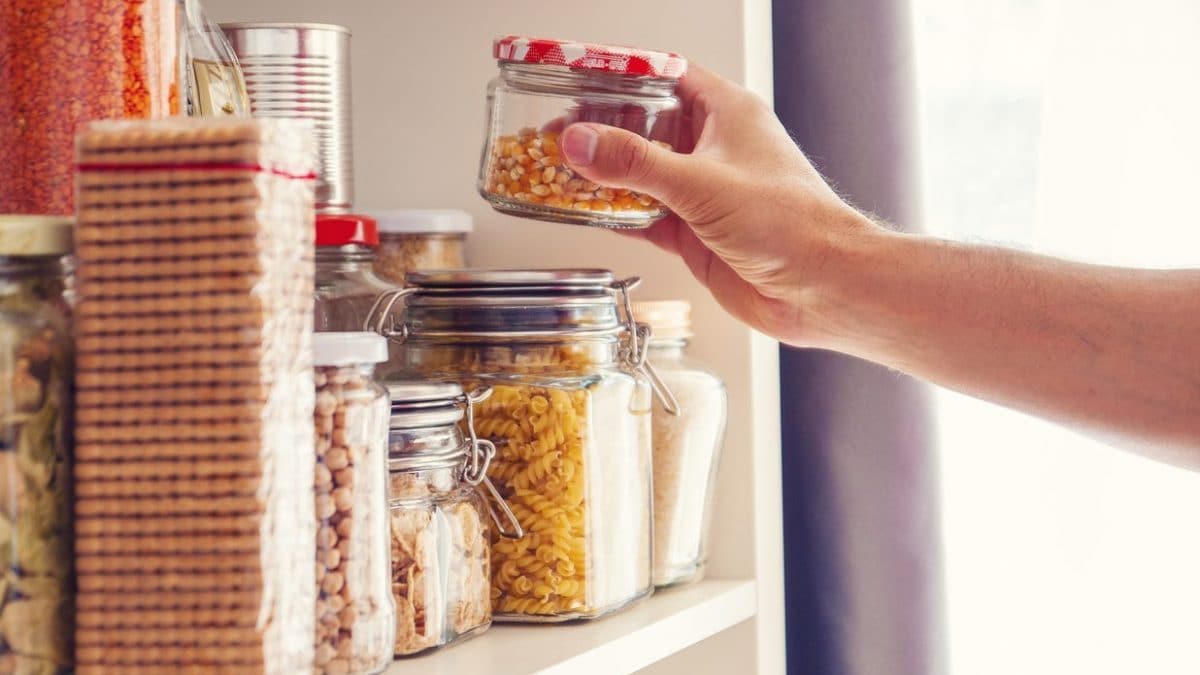
We've often talked about food expiration dates, how important it is to respect them both for safety—therefore, eating healthy, bacteria-free products—and for quality, ensuring we're consuming products that maintain their organoleptic and nutritional properties at their peak. But did you know that there are foods that don't expire and that not only last for years, but can also be consumed long after the date legally indicated on the packaging? Once the expiration date has passed, we often give in to the bad habit of throwing away food without even checking its condition, thus generating food waste that is no longer sustainable. Yet, a little extra attention and better information would be enough to significantly reduce waste.
Also because there's a necessary distinction to be made between expiration dates and "best before" dates: we often assume that one term is equivalent to the other, when in fact this isn't the case. The second term, in fact, means that those foods can actually be consumed even after the indicated date because, while losing some of their organoleptic properties, they cannot be harmful in any way. Unlike "use by" foods, which, once the indicated date has passed, can deteriorate and become dangerous.

So, by paying attention to how product expiration dates are indicated, you can stock up on foods that, if stored properly, won't spoil and can be consumed safely even years after you purchased them. What are they? Here are 13.
1. Pasta

Spaghetti, rigatoni, penne lisce and rigate, fusilli, or mezze maniche: the pasta shape doesn't matter, because any type of pasta, properly sealed and stored, never expires. Dried pasta already has a very long shelf life, ranging from 24 to 36 months, and despite this, it can be consumed long after the expiration date, as long as it is stored properly, in a cool, dry place, and away from heat sources. Why? The reason is very simple: dried pasta has such a low moisture content that it doesn't allow bacterial growth, although it's always a good idea to be careful about pantry staples before consuming it.
2. Rice

The same goes for rice because, like pasta, it has a negligible moisture content that prevents bacterial growth, a characteristic that guarantees a very long shelf life. Rice can keep in the pantry for years and can be safely consumed even after its "expired" date. The important thing is to keep it in a place in the kitchen away from sources of light and heat, the only way to prevent it from becoming prey to insects and moths.
3. Spelt and Barley

Spelt and barley behave exactly like pasta and rice: they are both dry ingredients with very little internal moisture, a characteristic that allows them to last extremely long because they are less susceptible to the growth of bacteria and mold. The previously mentioned rules also apply here: grains should be kept in their closed containers and, if opened, transferred to perfectly clean, airtight containers and kept away from direct sources of light and heat.
4. Dark Chocolate

When stored properly, dark chocolate can be consumed even years after the expiration date indicated on the packaging. This is due to its organoleptic characteristics and natural properties, which, while losing some of its aroma, are not harmful to our health. There's an exception to every rule: dark chocolate that doesn't contain traces of nuts, cocoa butter, or hazelnuts, which, long after the expiration date, could cause the formation of mold and bacteria.
5. Honey

Honey is rich in antibiotics that prevent the growth of mold and bacteria. It is therefore undoubtedly one of the foods that never expires, so much so that recent archaeological discoveries have uncovered jars of honey dating back more than 5,000 years. Like other foods, if stored properly, honey remains edible and maintains its properties and organoleptic characteristics for a very long time, ready to enhance sweets, herbal teas, and desserts of all kinds.
6. Sugar

Have you ever noticed that sugar packaging doesn't have an expiration date? No, it's not a mistake or an oversight: there's no expiration date simply because there's no reason to put one. Refined, whole, raw, or cane sugar never expires because it's one of those few foods that bacteria don't feed on and reproduce within. When stored properly, away from light and heat, sugar is not subject to deterioration and retains its sweetening power and organoleptic properties completely intact.
7. Salt

Before the refrigerator was invented, food was preserved in salt: if you think about it, how can something that has been used for millennia to preserve food expire? Like sugar, salt doesn't have an expiration date, it doesn't deteriorate, and it can be stored in the pantry for years. The important thing is to keep it away from heat sources to prevent it from absorbing moisture.
8. Dried Legumes

Dried legumes, being water-free, cannot develop microbial growth, mold, or bacteria. For this reason, they are fully included in the list of foods that do not expire and can be stored and consumed for a long time even after the date printed on the packaging. Before using "expired" dried legumes in cooking, it is best to soak them for longer to promote better rehydration.
9. Coffee

Ground coffee has a shelf life of approximately 24 months, but even so, it's a product that, when stored properly, away from light and heat, can be consumed up to a year after the expiration date printed on the packaging. Coffee, stored in its original packaging, is not subject to deterioration because it's vacuum-sealed: no oxygen, no bacteria, and, above all, no loss of all the organoleptic characteristics that make it so special.
10. Wine Vinegar

Vinegar is produced through the fermentation of wine, which is then "attacked" by a series of bacteria. This process makes the vinegar not only a delicious condiment but also an excellent preservative and, most importantly, it is impervious to spoilage. Store it in the pantry, away from light and heat sources: there it can keep for years, always ready for recipes.
11. Canned Tuna

Canned tuna is one of those products you can keep in your pantry for up to five years, open it, and enjoy as if you had just bought it. How is this possible? It all depends on the tuna canning process, which involves both a sterilization phase and the complete removal of oxygen from the inside of the package. And without oxygen, bacteria cannot proliferate. This is why the product doesn't have a real expiration date and can be consumed even past the "best before" date, as long as its appearance, odor, and consistency are normal. Also remember that, for such long-term storage, it's a good idea to check the integrity of the can (no swelling or rust).
12. Liquors

Have you ever noticed that liqueurs, or rather spirits in general, don't have an expiration date? This is completely normal, precisely because of the nature of the product: alcohol is a natural preservative that protects the beverage from spoilage, allowing it to last a long time. Depending on the type of liqueur, however, the quality of the product may deteriorate over time (especially after opening, but in some cases even before), losing flavor, color, or developing deposits, especially for creams and liqueurs made with fresh ingredients. It's essential to store them in a cool, dark, and upright position to preserve their characteristics.
13. Soy Sauce

Soy sauce is another product you can easily have on hand because it's very unlikely to spoil. In fact, it's one of those foods that don't expire and can be consumed even after years: thanks to the salt and acidity, they act as natural preservatives. It's no coincidence that soy sauce packaging has the words "best before" printed on it, and these are usually dates that are well in advance, even up to three years. Furthermore, even after the indicated date, the sauce can still be used without fear of side effects; the only risk is that its flavor may be slightly less intense.
;Resize,width=767;)
