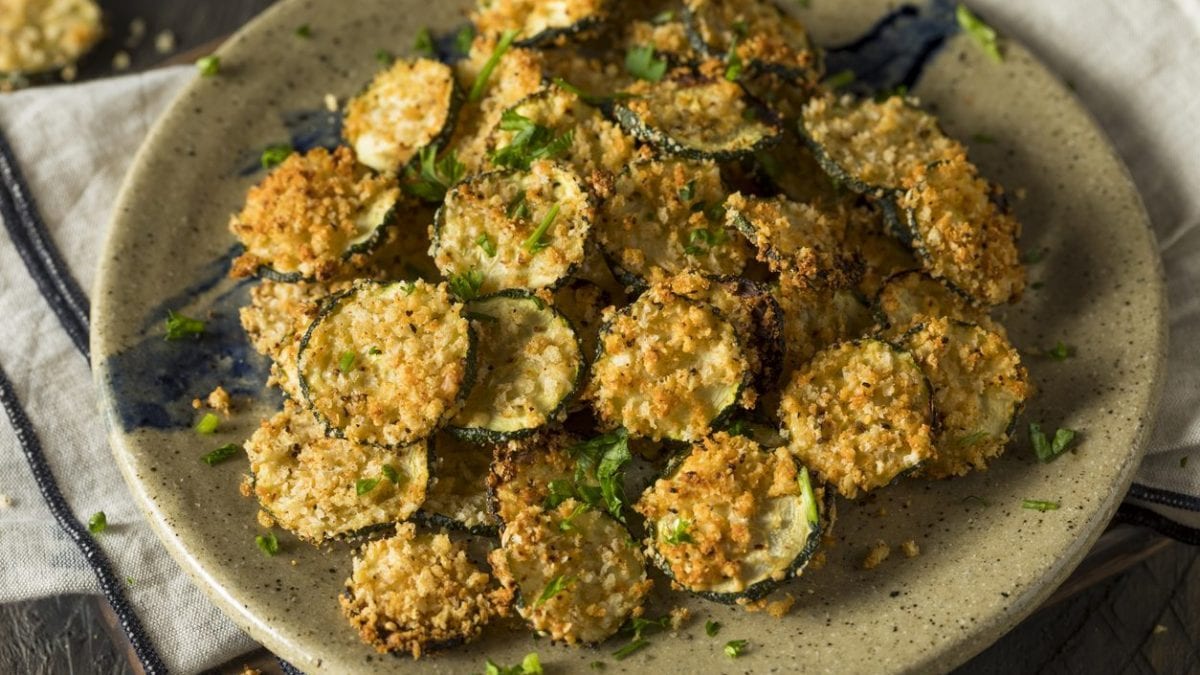
The name alone is enough to conjure up particularly inviting dishes: gratin, in fact, is a French cooking technique, known as gratin, which involves the final formation of a golden and crunchy crust on the surface obtained thanks to breadcrumbs, béchamel sauce, grated cheese, but also eggs, cream, butter, oil, combined with the other ingredients that characterize the recipe. There are many dishes that have the verb "to gratinate" as their protagonist: you can gratinate fish, shellfish, seafood (just think of mussels or scallops), vegetables, a great classic, mushrooms, eggs and even meat, perhaps to create delicious roulades.
Furthermore, there are preparations that use gratin as an important detail to make them even more appetizing, such as baked pasta, cannelloni or gnocchi alla romana. The word gratin, which began to circulate in French cookbooks in the 18th century, derives from “gratter,” meaning to scrape, probably referring to the food residue that remained (and still remains) attached to the pan: gratin can be done in a baking dish or casserole dish in the oven using the grill, or in a pan. Let's see which mistakes would compromise this delicious result and which are best avoided.
1. Not Knowing the "Chemistry" of Gratin

We know that science and cooking are more closely linked than one might imagine: gratin is associated with a chemical reaction we hear about often in the kitchen, namely the Maillard reaction, which occurs when the interaction between proteins and sugars exposed to high temperatures (from 285°F/140°C and above) gives foods a flavorful, crunchy, and amber-colored surface, increasing their palatability. This is fundamental information on which the combinations of ingredients are based: for example, fish and meat, high-protein foods, pair perfectly with breadcrumbs, rich in carbohydrates (sugars); pasta, on the other hand, prefers protein fats such as those found in milk (see béchamel or grated cheese), while vegetables, from fennel to cauliflower, are a real all-rounder depending on whether you want them light or more substantial.
2. Getting the Temperature Wrong

Make sure the oven is hot, set to 355°F/180°C, before placing the pan with the chosen dish in: the grill should be turned on a few minutes before the end (between 10 and 5) or you risk drying the food out too much inside or burning the crust. If you plan to gratinate thinly sliced vegetables, bread them with a mix of oil, salt and aromatic herbs, set an initial temperature of 390°F/200°C and monitor the situation. In certain cases, when the dish is very moist and contains ingredients that require a long cooking time, as happens for example with gratin dauphinois (a typical French dish based on potatoes, eggs and stringy cheese), it can be helpful to place a sheet of aluminum foil on top and then remove it shortly before the end, so as to ensure even cooking inside and out.
3. Not Using Fats

Simply place a few flakes of butter on top before baking, or sprinkle some extra virgin olive oil on the breadcrumbs to soften the coating: don't forget to use these fats in recipes, as they transmit heat better, preventing the dish from drying out and giving the gratin its characteristic rounded flavor and golden color.
4. Not Flavoring The Breading

When you're working with delicately flavored ingredients, like fish or vegetables, the risk is a crunchy but bland crust. Breadcrumbs, the main ingredient, can be enriched with grated cheese, which not only adds flavor but also helps the gratin develop. Aromatic herbs (parsley, thyme, rosemary, oregano), spices, lemon zest, garlic, chopped nuts, and even chopped anchovies enhance the base without overpowering it, giving the dish personality.
5. Serving Immediately

Baked gratins made with liquid ingredients, such as béchamel sauce or egg and cheese mixtures, need to stabilize before being brought to the table: in those few minutes of stand-by, excess steam escapes, the various ingredients compact and do not fall apart when cut, and the general temperature, lowering slightly, allows for a better perception of flavor and aroma.
6. Not Using the Pan

If you don't feel like turning on the oven in the summer, then pan-fried gratin is the perfect alternative. Also called "sabbiatura," it's a dish that works especially well with vegetables: the trick is in the heat retained by the lid, which creates a grill effect, although the final texture will be moister than with an oven. How do you do it? A very simple method is to braise the vegetables. Once tender, sprinkle them with breadcrumbs and grated Parmesan or Pecorino cheese and cook over medium heat for just a few minutes, without moving them, to form a crust.
;Resize,width=767;)
