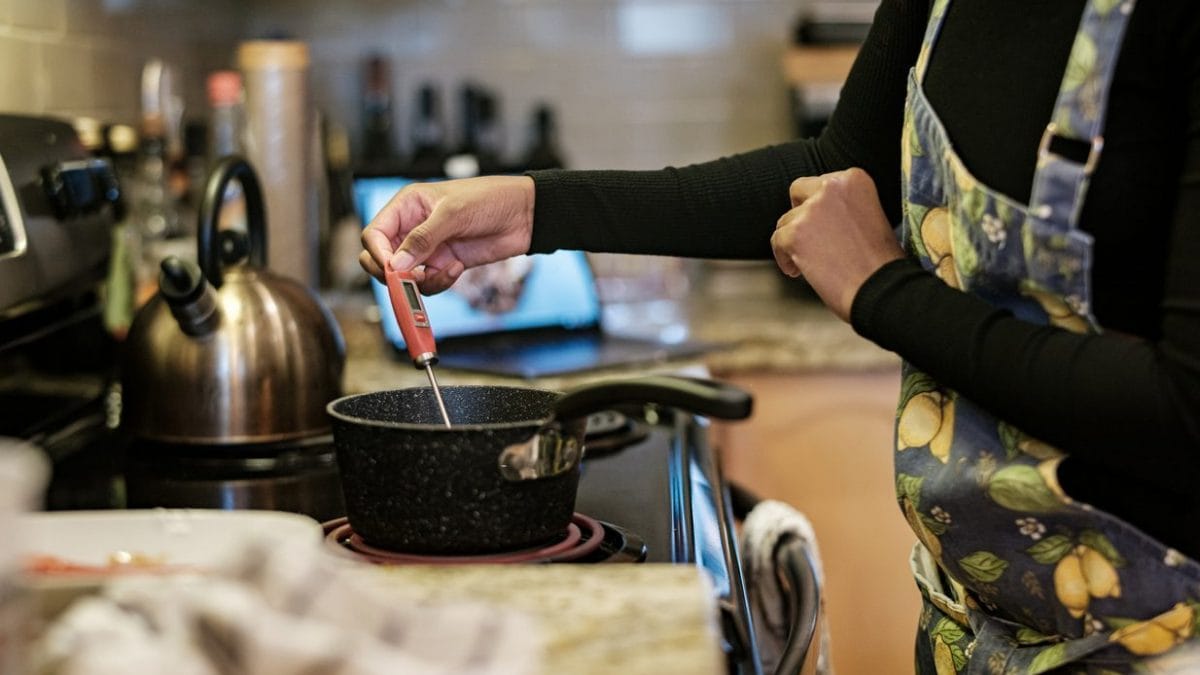
Baking desserts is a true passion. But as we know, sometimes love isn't enough. To make a dessert a success, there are several aspects to consider: weight, proportions, and above all, temperatures.
By temperatures, we don't just mean oven temperatures, which are essential, but also the temperatures of individual foods and the final product. Each ingredient must be cooked at a specific temperature if we want to obtain a perfect dessert. Let's look at some tips to avoid mistakes.
1. Whipped Cream
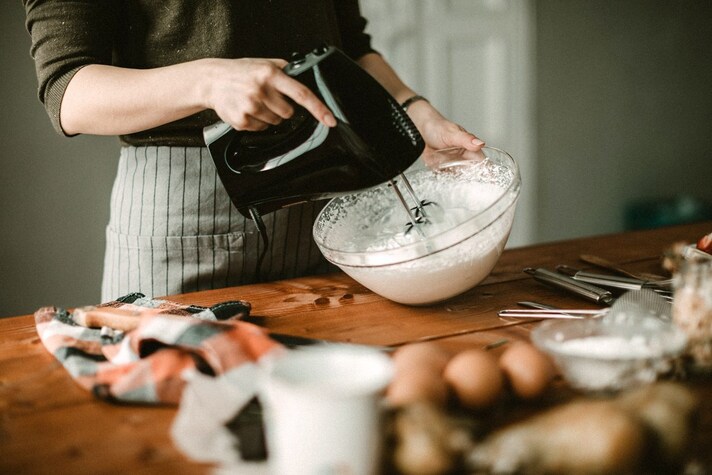
Cream is one of the most commonly used ingredients in desserts. Whether it's used as a filling or topping for a cake, you'll need beautifully whipped cream, and to achieve this, there's only one rule to keep in mind: everything must be cold. For optimal results, the cream should be kept in the refrigerator and taken out just moments before whipping. The tools used also play a role: it's recommended to keep whisks in the freezer for 10-15 minutes beforehand, and to use glass, steel, or ceramic containers to avoid the risk of the cream's temperature rising.
2. Eggs
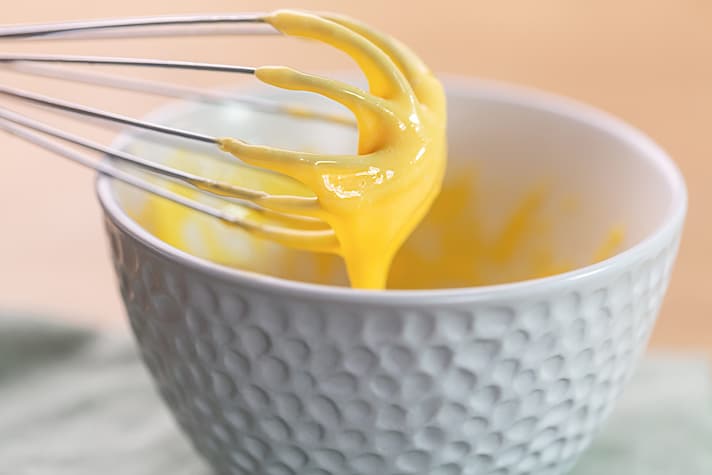
Unlike cream, it's best to use eggs at room temperature. A quick aside: when a recipe specifies "room temperature," it usually means around 68°F/20°C. So, if you're planning on making a dessert, it's a good idea to take them out of the refrigerator for at least 25-30 minutes.
In case you forget to take them out in time, you can reheat them by leaving them in hot water for a few minutes.
3. Oven
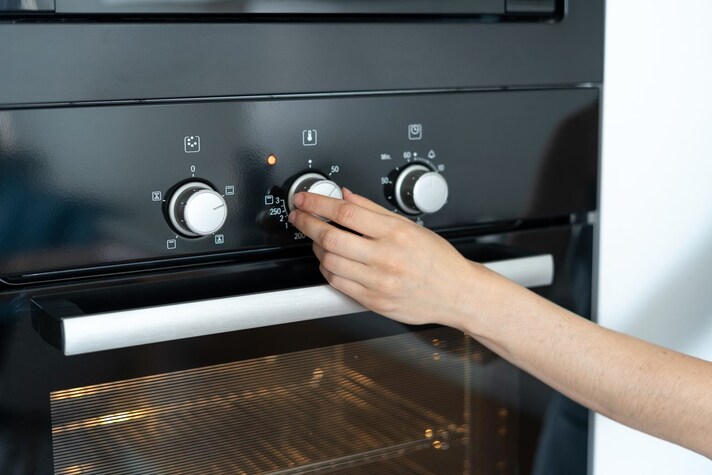
We know full well that you're one of those who thinks preheating the oven is useless. Well, we're here to dispel this myth: preheating the oven before baking your cake is a crucial step, as it allows it to undergo a thermal shock, going from a cold temperature to an extremely hot one. This temperature change is especially essential when preparing desserts that require yeast and butter. Another thing to keep in mind, regarding the oven, is to never open it during baking to avoid a temperature fluctuation: the risk is that the leavening process will be interrupted and the cake will deflate.
4. Unmolding a Cake
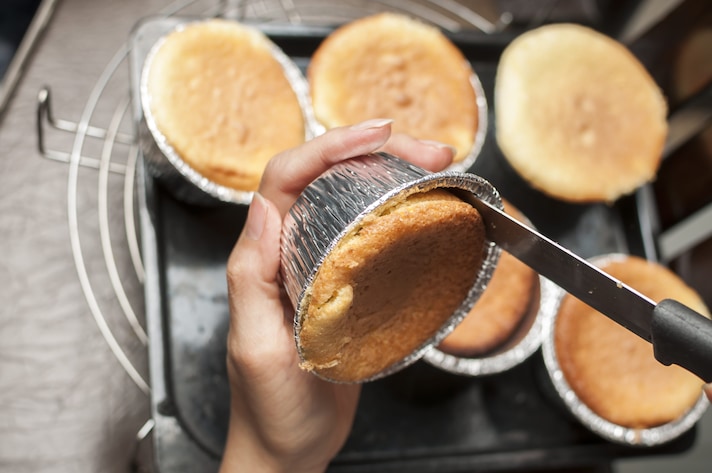
It's a mistake to think that once a dessert is baked, it's finished and ready to eat. Before unmolding it, it's best to wait a bit and let it cool to room temperature so the ingredients have time to settle properly—as happens with lasagna, for example—and avoid risking all your hard work falling apart (literally).
5. Frosting
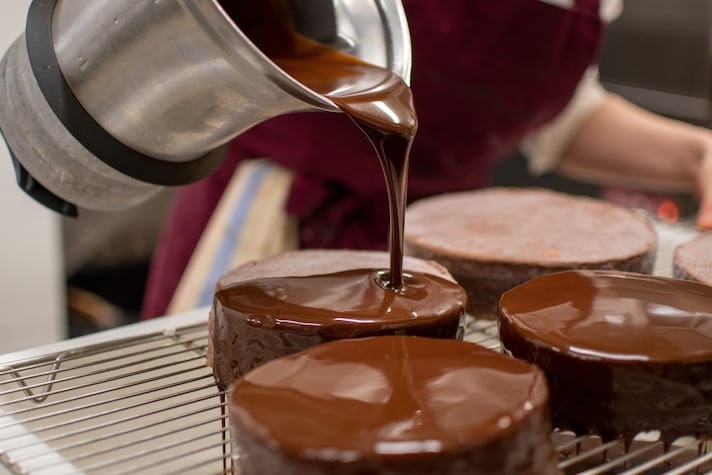
Glazing a cake or pastry is one of those things that makes desserts irresistible: beautiful and incredibly inviting. But achieving the perfect glaze is no easy feat, and once again, it's all about temperature. It's important for the glaze to be around 95°F/35°C, while the cake itself must be cold: if it's too hot, the glaze could melt and ruin everything.

