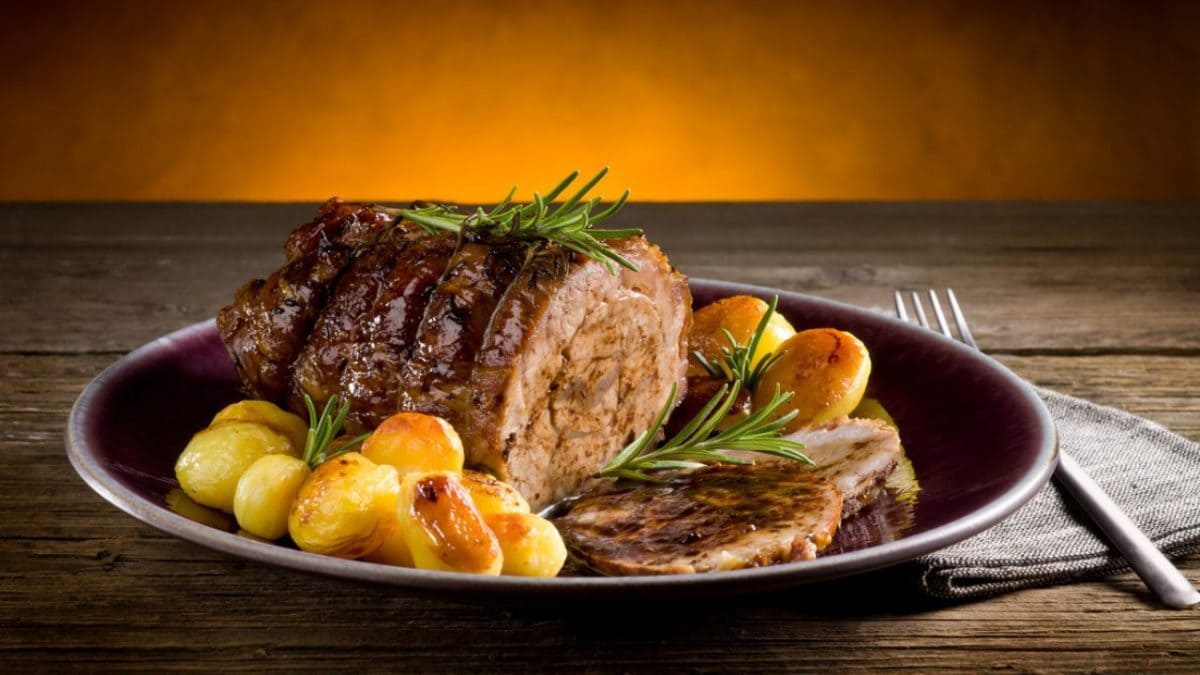
Among the symbols of Sunday lunch and convivial holiday meals, such as Christmas, roast meat is a must-have main dish for special occasions. For this reason, its preparation requires special attention, starting with the choice of meat, which above all must be of high quality. It involves handling large cuts, which are not easy to manage: mistakes are always around the corner, and mistakes can happen throughout the entire preparation process. Let's see how to best proceed, to avoid disappointment.
1. Cutting The Meat Wrong

Beef, veal, turkey, pork, chicken, lamb: these are the most common roasts, generally featuring cuts with a good balance between fat, which melts during cooking, and lean, more delicate and valuable meat. A great classic is the beef sirloin, but round, chuck, and rump (the latter a true all-rounder) are also excellent, just as round and rump are ideal even if made from veal. Pork is tastier, but tends to dry out: the tenderloin is suitable for roasts protected by a garnish of pancetta or lard, otherwise play it safe with the pork loin. The whole chicken is iconic, while for turkey, choose the topside or breast for lighter recipes. For lamb, however, opt for the leg and rack, which will remain more tender with the bone.
2. Not Tying The Meat

It's used to create a dramatic appearance, because the eye also wants its part, but above all to give the meat a regular and compact shape, thus ensuring even cooking. Take a piece of kitchen string and follow our instructions to tie the roast perfectly, or you can find special nets on the market that slip on easily. The last alternative is to have the operation done directly by the butcher when you buy it.
3. Always Seasoning The Roast

When we asked Luca Pappagallo how to make a perfect roast, one of his tips was to avoid necessarily seasoning the meat. If the quality is excellent, cooking it plain brings out its flavor even more. You also need to pay attention to seasoning and cooking: chopped herbs risk burning if not moistened with enough broth or wine. A good method is to baste the roast the day before, dry-marinating it with herbs and spices of your choice, without overdoing it, and leaving it in the refrigerator overnight. Be careful when using pepper, especially ground pepper, because high temperatures make it bitter and degrade its flavor. Once removed from the oven, the meat should be brought to room temperature before baking. And salt? There doesn't seem to be a universally agreed-upon method for when to add it, but if you add it immediately before cooking, massaging the meat with a drizzle of oil, it won't have time to dry out.
4. Not Browning It

A useful step for roasting is to brown it in a pan. This was once said to "seal" it, but the crust formed by the Maillard reaction serves primarily to improve the flavor, aroma, and final texture. In the saucepan, add a drizzle of oil, a knob of butter, or both, a few sprigs of aromatic herbs, and add the meat, browning it briefly on all sides. At this stage, you can also add vegetables (celery, carrots, onions) and deglaze with wine, then create a sauce to baste the meat once it's baked. Finally, blend everything together to create a sauce.
5. Overcooking It

In the collective imagination, this is a dish that requires a very long cooking time: in reality, this is not always the case, because for a good roast beef in the oven, on average 30 minutes at 390°F/200°C are enough, taking a kilo of meat as a reference. Then, there are versions that can be cooked directly in the pan (like our turkey roast, which requires humidity): the flame must be very low and this is why you will have to extend the cooking time. To avoid ruining the raw material of your investment, equip yourself with a thermometer to measure the temperature at the core: for a perfectly cooked roast beef, aim for 136-140°F/58-60°C, with the interior remaining pink, veal 154°F/68°C, while for lamb, calculate from 145°F/63°C to 165°F/74°C. Be careful with chicken and pork, which do not want raw parts: both must reach at least 167°F/75°C to neutralize possible bacteria. Overcooking means having tough meat.
6. Serving it Wrong

Once the roast is ready, don't portion it immediately. Wait 10-15 minutes for the juices to distribute, covering it with aluminum foil to keep it warm. Then cut it with the right tool: a knife with a long, smooth, thin blade, which allows you to obtain even slices, without breaking them, following the direction of the grain. And don't forget the sides: from mashed potatoes (in its various versions, potato, cauliflower, pumpkin), to the timeless baked potatoes (but also fried), to cooked vegetables, such as spinach, chard, or sautéed chicory. Honey-glazed onions and sweet and sour carrots are also great options.
;Resize,width=767;)
