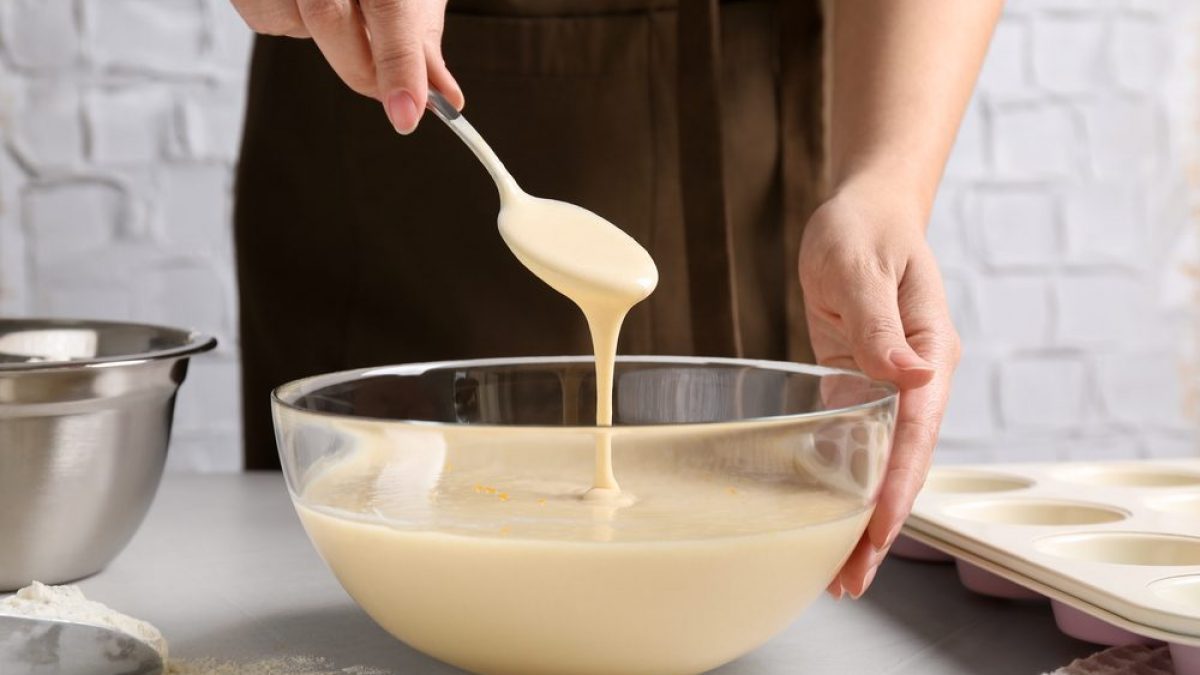
There are certain kitchen preparations that are synonymous with consistently delicious recipes: batter is one of them. A blend of a few simple, carefully balanced ingredients that give a crispy, dry texture to fried foods, whether fish, vegetables, or meat. Sometimes, however, this very coating that should make dishes more appetizing doesn't quite work: it comes off the surface of the food, becomes soaked in oil, resulting in it being too heavy and mushy, or has a flavor that's too strong, overpowering the flavor of the food it holds. In short, batter takes center stage, but not in the right way: below, are the six most common mistakes and how to avoid them.
1. Thinking That All Frying Batters Are The Same
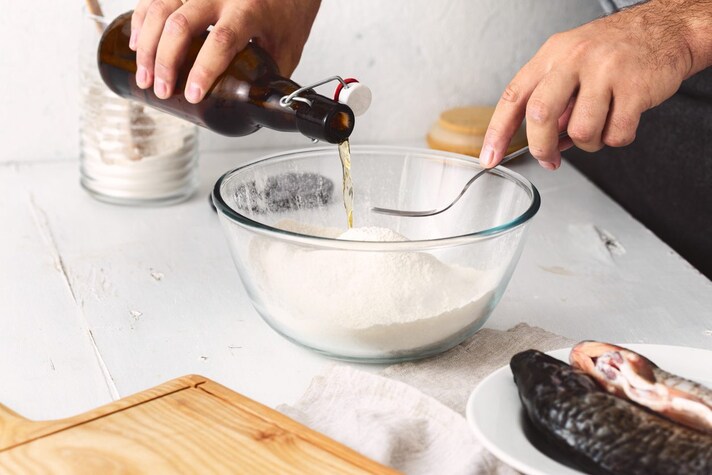
Let's start by saying that there isn't just one type of batter. Depending on the recipe, in fact, its creation may require the use of different versions. The basic mix is composed of flour and a liquid that coats the food, forming a coating that, once immersed in oil, becomes crispy, protecting the inside, which remains tender and doesn't become greasy, resulting in a light frying. The most classic batter combines flour, eggs, and milk, suitable for meat and vegetables with strong flavors, such as artichokes. Milk is increasingly being replaced by sparkling water, just as eggs are being omitted, to obtain batters that adapt to every diet.
The most versatile batter? All-purpose flour and sparkling water. An aromatic and equally versatile version is the one with beer instead of water: it's perfect for everything from zucchini blossom to cauliflower. A lighter variant? Japanese tempura, ideal for vegetables and fish, is made with all-purpose flour, rice flour, and water. A more substantial coating is that of fish and chips, with all-purpose flour, milk, a pinch of brewer's yeast, egg yolk, and paprika, which retains all the moisture of the cod steak and adds flavor.
2. Underestimating Temperatures
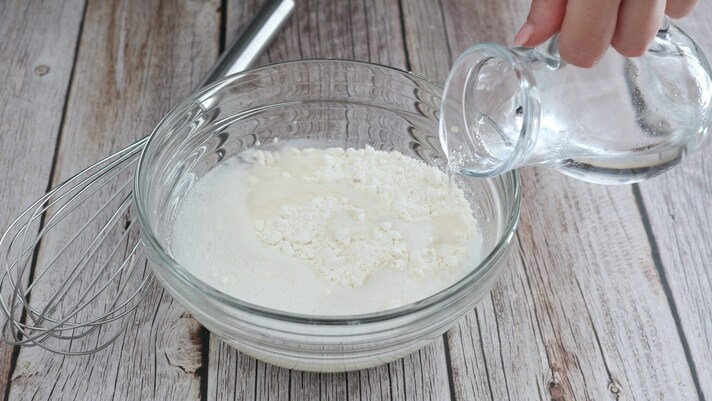
The batter is made with all-purpose flour, preferably sifted to avoid lumps: it can be made lighter by adding cornstarch or rice flour. The other essential ingredient is a liquid, which differentiates the final result from breading: milk, beer, or water should be added very cold, straight from the refrigerator. The reason? The thermal shock between the batter and the hot oil favors the formation of a thin, crispy crust, preventing the dough from absorbing too much fat. Furthermore, sparkling water and beer, both containing carbon dioxide, contribute to a more airy and less heavy batter.
Don't forget another liquid that must be at the right temperature: we're talking about oil, because even if you create the best batter in the world, if you dip it in oil that's too hot or lukewarm, you'll ruin the preparation. The most suitable oils for frying are peanut oil and extra virgin olive oil, between 340°F/170°C and 350°F/180°C: with a thermometer you can't go wrong.
3. Getting The Consistency Wrong (Too Liquid or Too Thick)
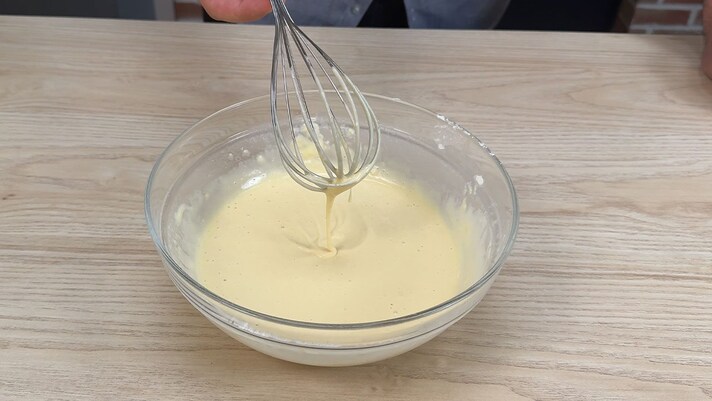
The adjective that best describes the consistency of the batter is: fluid. If it's liquid, it may have some areas that are more covered and others that slide off during transfer to the hot oil. If it's thick, you risk creating a thick coating and sometimes even undercooked batter. Our advice? Always follow the proportions of the different ingredients indicated in the recipes and mix with a hand whisk, pouring in the liquid in a thin stream, incorporating it gradually and evenly.
4. Using More Eggs Than Necessary
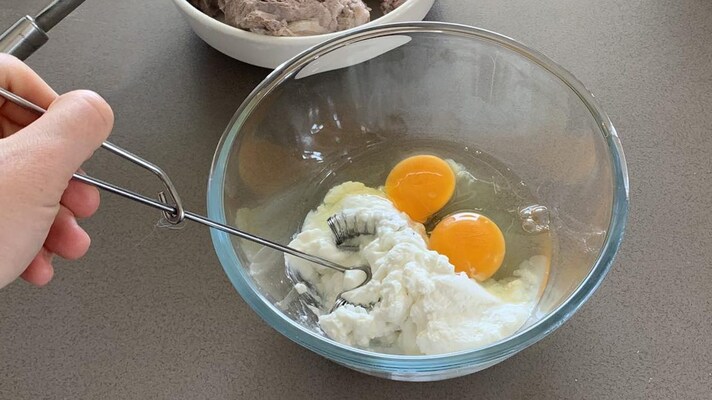
Eggs give structure, color, and a hint of flavor to batter. The problem arises when you overdo it. A batter with too many eggs tends to overwhelm the flavor of the main ingredient and become heavier. This is always a precaution, and not just with delicate foods, because the eggy flavor is easily recognizable and permanent.
5. Salt: Yes or No?
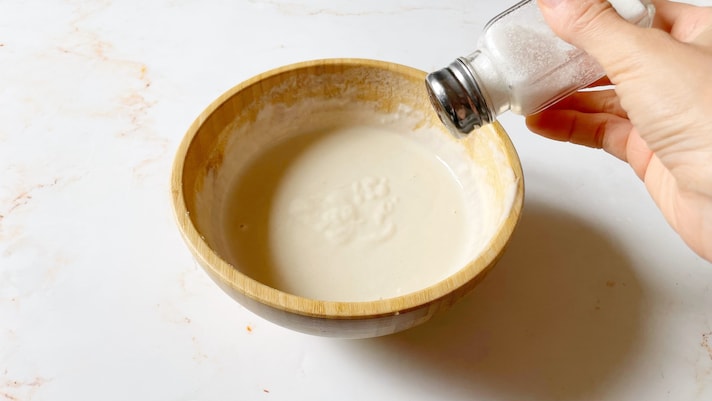
Salt is always a sore point: it is, in fact, a food that tends to attract moisture, altering the consistency of foods, especially if added when they are raw: for this reason our suggestion is not to add it (although it is not a strict rule), but to salt the fried food only at the end, before bringing it to the table.
6. Not Flavoring the Batter
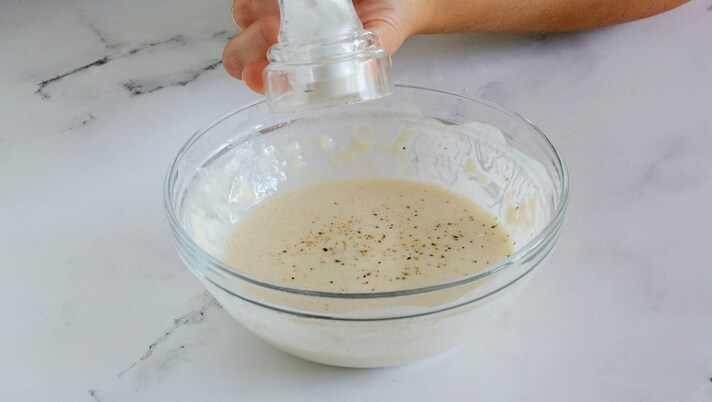
It's not a mistake, but if you want to flavor the batter then nothing stops you from using aromatic herbs and spices (chopped parsley, dried oregano, smoked paprika, turmeric, ground pepper) sparingly (or they would take over) to personalize the frying: for example, they are an excellent substitute for salt, not only in terms of taste, but also as a healthier seasoning.
;Resize,width=767;)
