Microplastics have a way of showing up where you least expect them. They’ve been found in oceans, drinking water, and — less reassuringly — in human blood and organs. While scientists are still studying what long-term exposure means for health, one thing is already clear: the kitchen is one of the easiest places to reduce everyday contact with microplastics, without overhauling your life or spending a fortune.
This isn’t about panic or perfection. It’s about a handful of smart, realistic swaps that can quietly lower your exposure over time.
1. Swap Plastic Food Storage for Glass (or Steel)
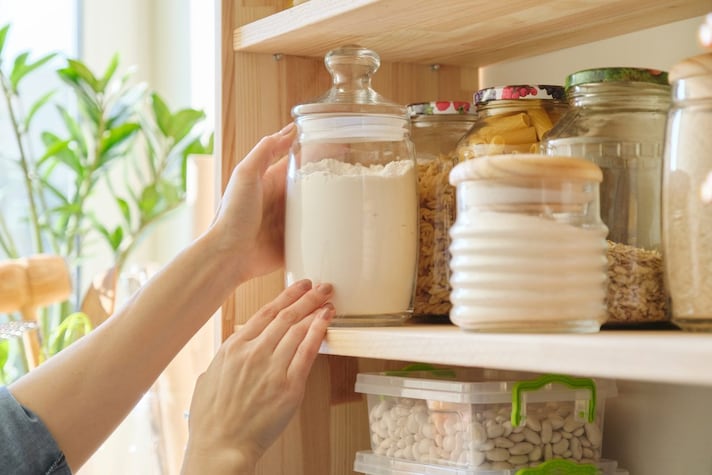
If there’s one change worth making first, it’s this one. Plastic containers— especially older or scratched ones —can shed microplastics, and the risk increases when they’re heated. Switching to glass containers with tight-fitting lids is one of the simplest, most effective upgrades you can make. Stainless steel containers are another solid option, particularly for lunches or travel. And yes, this includes reheating leftovers. Even “microwave-safe” plastic can release microplastics when exposed to heat. Glass handles temperature changes far better — and doesn’t absorb smells or stains along the way.
2. Rethink How You Heat Food

If you’re used to microwaving food in plastic containers or under plastic wrap, this is a good moment to pause. Instead:
- Transfer food to a glass or ceramic dish before reheating
- Use ceramic plates or bowls in the microwave
- Cover food with a ceramic lid, microwave-safe plate, or paper towel
It’s a small habit shift, but one that significantly reduces plastic-to-food contact at high temperatures — where most transfer happens.
3. Ditch Plastic Utensils for Cooking
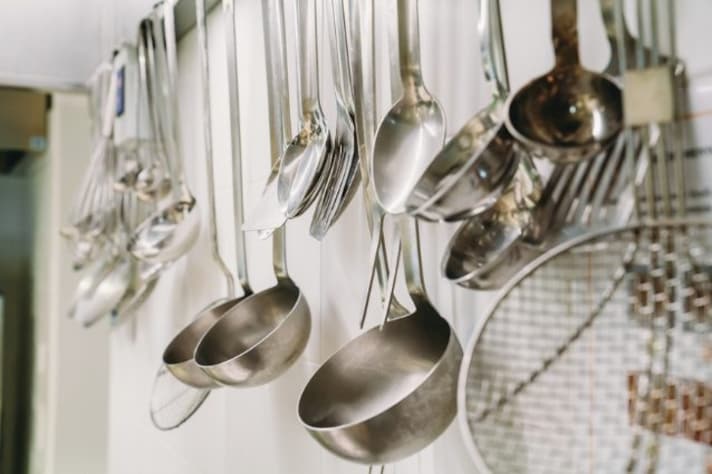
Plastic spatulas, spoons, and ladles are convenient, inexpensive, and everywhere— but they’re also exposed to constant heat and friction. Over time, they can degrade and release microscopic particles directly into food. Better alternatives include:
- Wooden spoons and spatulas
- Silicone utensils labeled food-grade and heat-resistant
- Stainless steel tools for stirring and flipping
Wood, in particular, has been used in kitchens for centuries for a reason: it’s durable, gentle on cookware, and naturally microplastic-free.
4. Upgrade Your Cutting Boards

Plastic cutting boards are common, dishwasher-safe, and easy to store— but they’re also a major source of microplastics. Every time you chop, the knife creates tiny grooves, shaving off minuscule plastic particles that can cling to food. Consider rotating in:
- Wood cutting boards (maple, beech, or walnut are good options)
- Bamboo boards (though they may wear faster)
Wood boards do require a bit more care — hand-washing and occasional oiling — but they’re gentler on knives and far less likely to shed into your dinner.
5. Be Selective With Coffee and Tea Gear
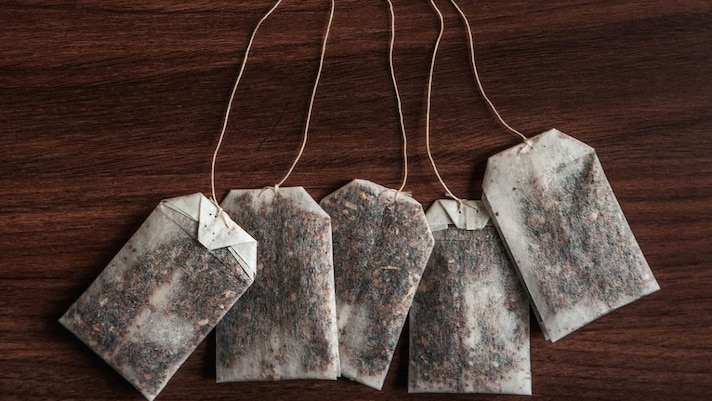
Coffee and tea are daily rituals for many Americans, which makes the tools involved more important than they seem. Single-use plastic coffee pods, nylon tea bags, and plastic pour-over cones can all contribute to microplastic exposure — especially when hot water is involved. Lower-impact options include:
- Stainless steel or paper coffee filters
- Loose-leaf tea with metal infusers
- Glass or ceramic pour-over brewers
This is one of those swaps that feels small but adds up quickly over time.
6. Store Pantry Items Smarter
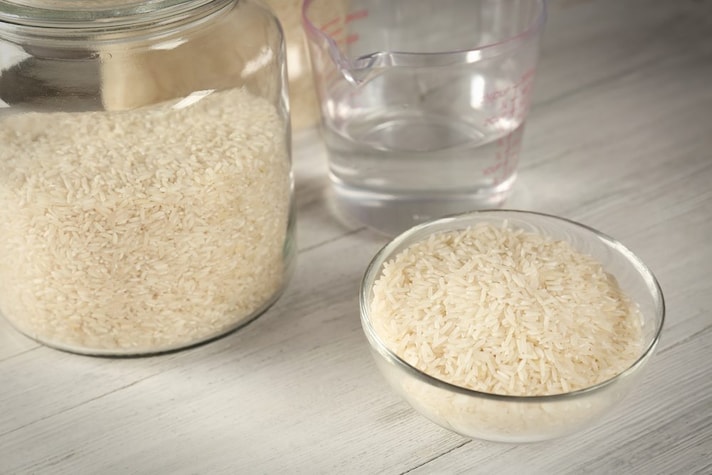
Dry goods like rice, pasta, flour, and cereal are often stored in plastic bags or bins for months at a time. Transferring them into glass jars or metal containers reduces long-term contact and keeps food fresher in the process. It’s also easier to see what you have — a bonus for reducing food waste.
;Resize,width=767;)
