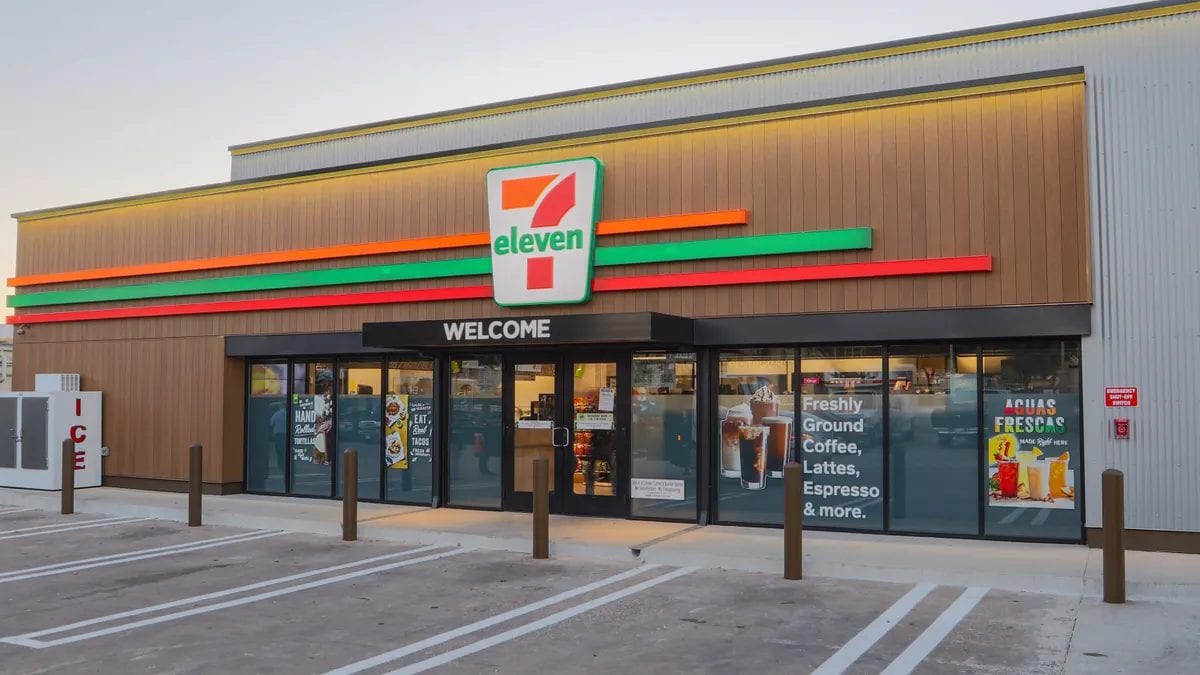
One of America’s most recognizable convenience‑store chains is undergoing a dramatic transformation. 7‑Eleven has confirmed it will close 645 stores across the U.S. this year, marking one of the largest restructuring efforts in the company’s history. According to various news reports, the closures are part of a sweeping strategy to modernize the brand, streamline operations, and shift toward a more food‑centric business model.
The announcement has sparked concern among loyal customers who rely on their neighborhood 7‑Eleven for quick snacks, late‑night essentials, and, of course, Slurpees.
Why 7‑Eleven Is Closing So Many Locations
The company says the closures are tied to a broader plan to “optimize the store network” — corporate language that reflects several overlapping challenges. Many of the stores slated to close are older, underperforming, or located in areas where 7‑Eleven has multiple locations competing with one another. Rising operating costs, shifting fuel demand, and changes in consumer behavior have also played a role. But the biggest driver is strategic: 7‑Eleven wants to evolve from a traditional convenience store into a food‑forward, digitally integrated retailer.
A Shift Toward Food, Freshness, and Modernization
7‑Eleven is investing heavily in its food program — from hot snacks to fresh meals — and wants to focus on stores that can support expanded kitchens, updated layouts, and new equipment. This pivot reflects a larger trend in the convenience‑store industry, where food sales are increasingly outpacing fuel and packaged goods. The company is also doubling down on delivery, mobile ordering, and loyalty‑app growth, which require more efficient store footprints and better‑equipped locations.

What Happens to the Affected Stores
The closures will roll out gradually throughout 2026. Some stores will shut down permanently, while others may be sold to franchisees or converted into different retail formats. Employees at closing locations will be offered opportunities to transfer to nearby stores when possible, though the company has not shared full details on staffing impacts. Customers in affected areas will begin seeing closure notices and inventory reductions as stores wind down operations.
How Customers Are Reacting
Reactions online have been a mix of surprise, frustration, and nostalgia. Many shoppers say their local 7‑Eleven is a community staple, especially in neighborhoods without many late‑night options. Others note that the closures reflect a broader shift in how Americans shop — with more people relying on delivery apps, big‑box stores, and 24‑hour supermarkets.
Still, some customers are hopeful that the revamp will bring better food, cleaner stores, and more modern amenities.
What This Means for the Future of 7‑Eleven
Despite the closures, 7‑Eleven insists it is not shrinking — it’s repositioning. The company plans to invest in new store formats, expanded food offerings, and upgraded technology. 7‑Eleven is also exploring more partnerships, new beverage innovations, and expanded grab‑and‑go options. In other words, the chain is betting that the future of convenience lies not just in being open late, but in offering better food, faster service, and smarter digital tools.
;Resize,width=767;)
