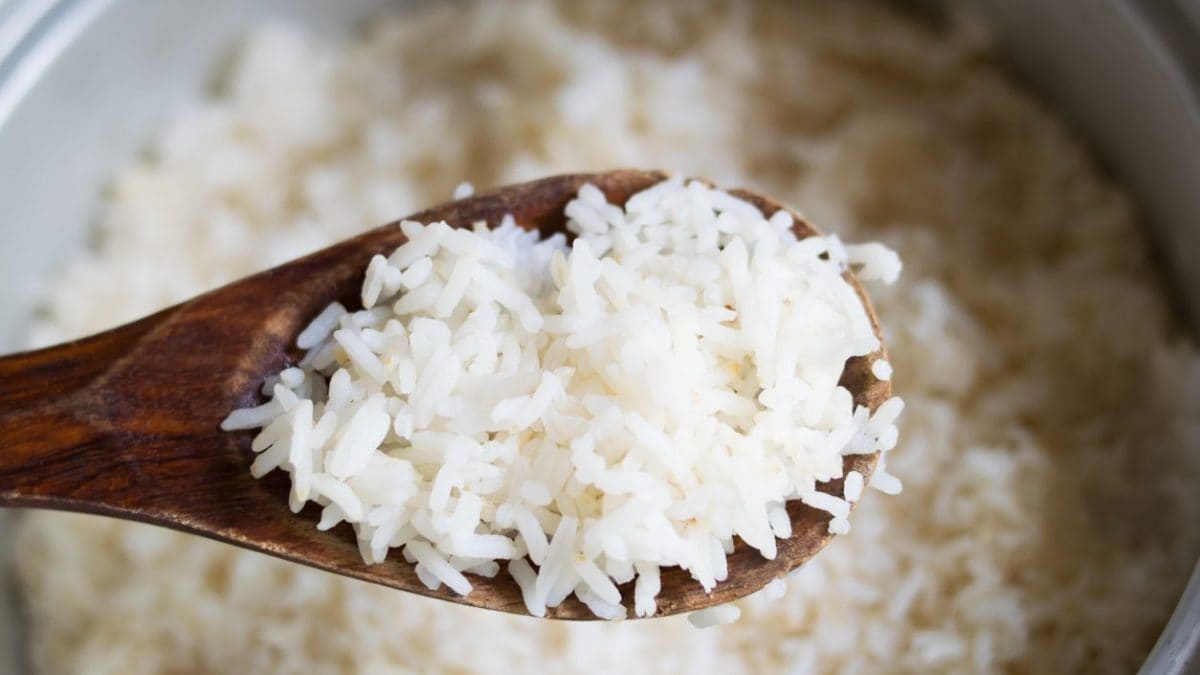
Rice (Oryza sativa) is one of the most consumed and cultivated cereals in the world, along with wheat and corn, and is the basis of the diet of billions of people, particularly in Asian countries. In the U.S., too, it is a particularly beloved food, thanks to countless traditional recipes that use it in a variety of ways in practically every season, from creamy risottos to fresh salads. Like other common foods, rice is often the victim of false myths in the kitchen that extol its qualities or, conversely, raise unfounded fears. Below, we have collected 7 inaccurate pieces of information that can influence the perception of rice, from considering it a perfect food for weight loss to unreservedly praising whole-grain varieties.
1. Rice is Less Caloric Than Pasta
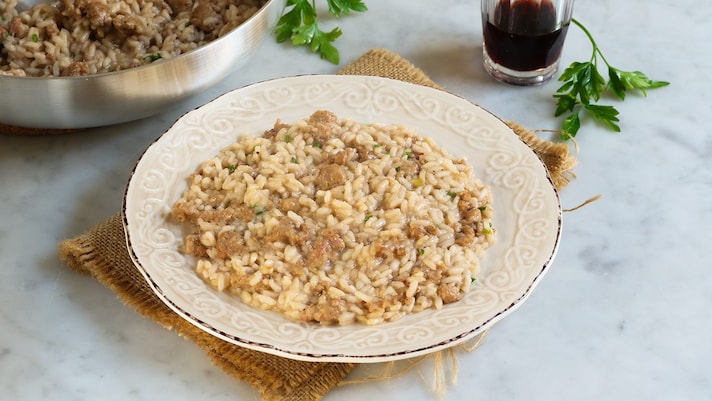
Let's start by debunking one of the most widespread beliefs, namely that rice contains fewer calories than pasta. The two foods, evaluated raw, have approximately the same quantities per serving, between 367 kcal for the former and 373 kcal for the latter per 80 grams, according to the CalorieKing tables. From a nutritional point of view, the difference is not so much the carbohydrates, but the proteins, which are higher in pasta: among these are those from gluten, which rice is free of: it can therefore be consumed by those suffering from celiac disease. Furthermore, what is known is that rice triples its weight when cooked, absorbing more water and being more filling: for this reason, compared to pasta, we tend to consume smaller quantities per dish.
2. White Rice Helps You Lose Weight
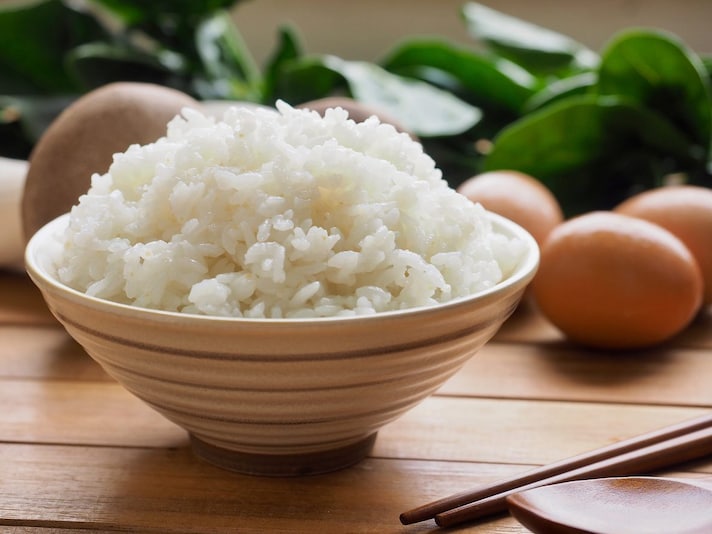
No single food has the power to make you lose weight (or, conversely, gain weight). Weight loss depends on a balanced diet tailored to the individual's needs, often combined with what is called a healthy lifestyle, which includes physical activity, regular rest, and stress reduction. White rice is considered "weight-friendly" because it is a simple dish, but it can also include condiments like extra virgin olive oil or butter, which must be carefully measured. It is always the quantity that makes the difference.
3. Rice Has a High Glycemic Index
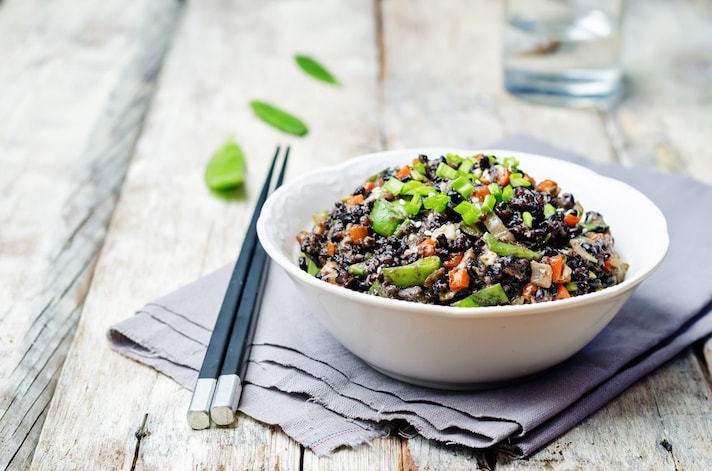
This isn't fake news, but the statement isn't that clear-cut. Rice, especially refined white rice, is classified as a food with a high glycemic index (i.e., the rate at which the sugars contained in a food are released into the blood), which should be limited or avoided by those suffering from diabetes, metabolic syndrome, and obesity. Not all varieties, however, have the same GI: the fiber contained in whole grain rice, Venere rice, or red rice, as well as in Italian varieties such as Argo and Selenio, lowers the GI, as demonstrated by recent research conducted by the National Rice Board with the University of Pavia and the Polytechnic University of Turin. Steaming is preferable to boiling, and recommended pairings include low-GI vegetables, such as green leafy vegetables (spinach and chard), cruciferous vegetables (broccoli, cauliflower), zucchini, and legumes in general.
4. Brown Rice is Healthier
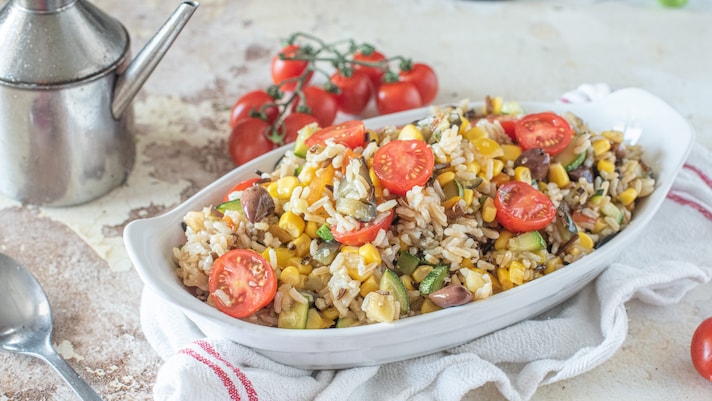
Brown rice is often automatically considered superior to white rice because it retains the bran and germ, which are the components removed during refining. This means it contains more fiber, vitamins, minerals, and antioxidants. However, this doesn't mean it's the preferred alternative in an absolute sense: for example, the higher insoluble fiber content can have negative effects on those with irritable bowel syndrome, gastritis, or sensitive gut bacteria, causing gas and bloating. Brown rice remains the best option, but it must be chosen carefully, preferably organically grown, and tested based on your individual needs and tolerance.
5. Rice Should Always Be Rinsed
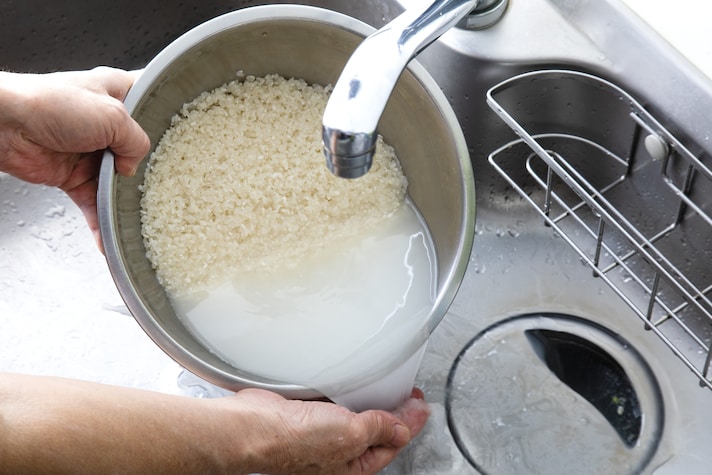
Another particularly persistent misconception is that rice should always be rinsed under running water before cooking. In reality, there's no universal rule: it can be useful in some cases and counterproductive in others, it all depends on the raw material and the recipe being prepared. The main reason for washing rice is to remove excess external starch: in Asian varieties like basmati, jasmine, or those suitable for sushi, this is recommended so the grains remain well separated from each other and don't stick together. The opposite is true for Italian risotto (where Carnaroli, Arborio, and Vialone Nano are preferred), which is thanks to the starch that creates its typical creaminess. Please note: due to its cultivation method, rice can contain arsenic and cadmium, absorbed through the roots, two potentially dangerous heavy metals. The quantities consumed in the U.S. do not cause health concerns regarding contamination, but to reduce the concentration it is recommended to soak the rice overnight and/or then boil it (as you would cook pasta) although this leads to the loss of many micronutrients, such as water-soluble vitamins.
6. Parboiled Rice is Less Natural
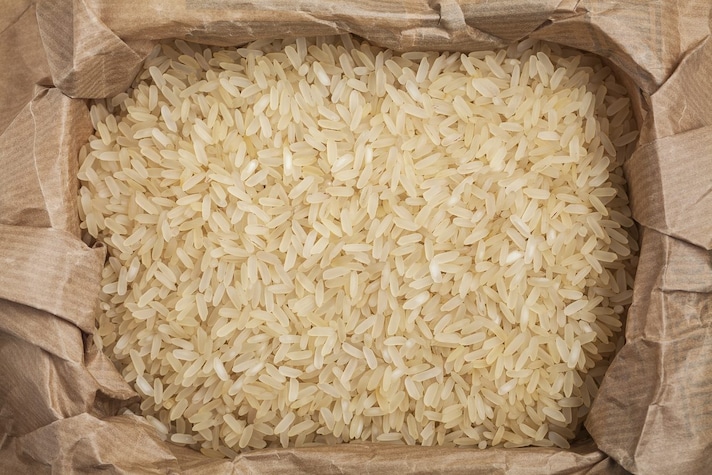
Some people turn up their noses when they hear the word parboiled, but don't be fooled. We're talking about rice that undergoes a treatment that occurs while the grain is still coated and uses exclusively water, steam, and heat. This process causes some of the vitamins and minerals to migrate from the outer layers to the inside of the grain and gelatinizes the starch, making this type of rice firmer when cooked (during which it absorbs less fat), capable of retaining more nutrients, and longer-lasting when stored, as it is more resistant to parasites. This processing method has nothing to do with the use of chemicals, but rather changes the structure of the rice to make it more functional in dishes like timbales, pilafs, or cold salads.
7. Rice Never Expires
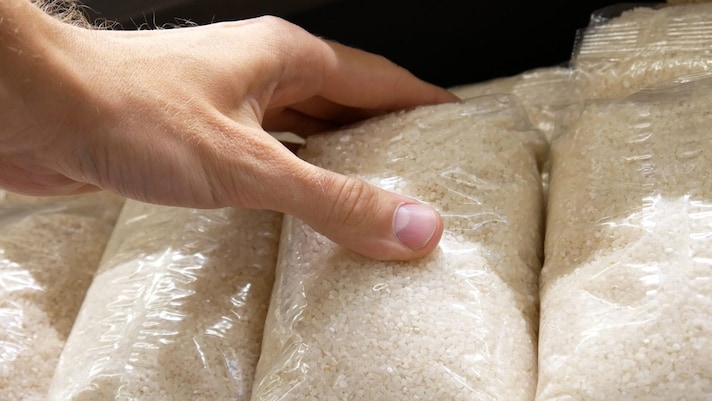
It's true that rice is one of the longest-lasting foods in the pantry, but saying it never expires isn't accurate, or you run the risk of having to unexpectedly throw it away. The grain, in fact, is much more delicate than you might think and can be damaged if left exposed to heat, humidity, or light, which is why dark pantries and airtight containers are preferred. In particular, whole grains with bran and germ are the most perishable, especially after the package has been opened, so much so that it's recommended to consume them within six months, otherwise they start to go rancid. The refrigerator is an optimal place to store it —especially in summer—while the freezer is not recommended, as the ice risks splitting the grain.
;Resize,width=767;)
