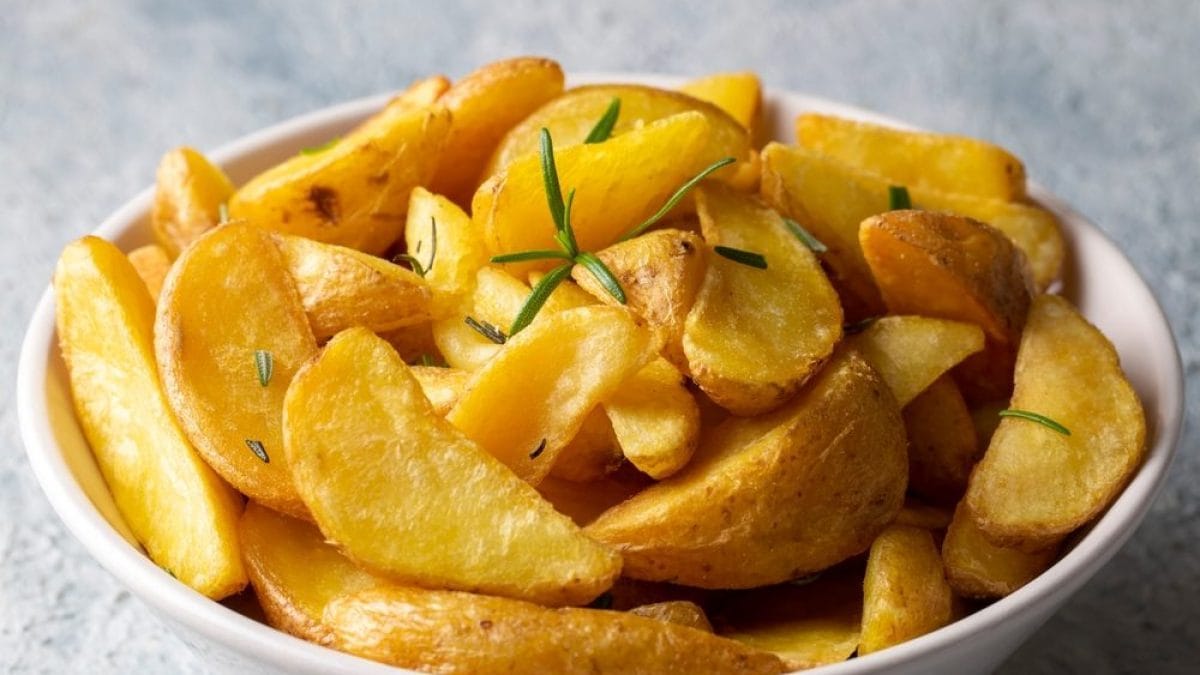
Versatile, economical, nutritious: potatoes are rarely missing from any home. A popular food that, over the centuries, once imported to Europe from America, was first snubbed because it was considered poisonous—after all, it was common to eat them raw—and then became vital to the poorest populations in times of famine. In our daily lives, potatoes are the lifeblood of lunches and dinners and are the star of Sunday lunches with many easy and tasty recipes: cooking them isn't complicated, but like all foods, it requires some attention. Let's look at the most common mistakes and how to avoid them.
1. Choosing The Wrong Type

Not all potatoes are the same: there are different varieties of these tubers, which influence the preparation you want to bring to the table. Depending on the color of their flesh, they are mainly divided into two types, the most well-known in cooking. Yellow-fleshed potatoes are characterized by their firm and compact texture, and are the best choice for potatoes that need to be sliced while maintaining their shape and consistency: green light for baked potatoes, pan-fried potatoes, fried potatoes, and salads, whether in wedges, sticks, or rounds.
White-fleshed potatoes, on the other hand, have a higher starch content and a floury texture: once cooked, they become soft and creamy, perfect for being mashed without lumps and used in gnocchi, flans, and fillings. Furthermore, for gnocchi, it is preferable to use older potatoes, because they contain less water and the dough will require less flour. The youngest potatoes are called “new” potatoes, they are harvested early and are small and round, with a very thin skin: they are cooked whole in the oven or in a pan, without peeling them and have a sweeter and more delicate flavor.
2. Cleaning Them Poorly

Potatoes are vegetables that grow underground, so they'll always have some residue to remove before preparing them. Wash potatoes only before using them, storing them in the pantry; don't refrigerate them, as the cold alters their flavor and color. Scrub the skin thoroughly with the rough side of a sponge —you can use a scrub brush if necessary—rinse under running water, and then dry with a clean cloth. If there are any bruised, damaged, or green areas, remove them with a knife.
3. Underestimating Soaking Them

Many recipes call for soaking potatoes, whether peeled whole or cut into pieces. This step is useful for several reasons: soaking them in a bowl of cold water for 15-30 minutes—or even an hour— improves their texture by removing excess starch when frying or boiling them, resulting in a crispy, firm result. Soaking also protects the potatoes from the oxidation that occurs when exposed to air, causing them to darken. Therefore, as you peel them, place them back in the bowl of water, preserving their color. Before frying, remember to dry them with a cloth.
4. Always Peeling Them

For convenience, it's common to peel potatoes before cooking, but in reality, the opposite is true, especially when boiling them. Leaving the peel on ensures a higher concentration of nutrients, more efficient cooking, and protects the inside, preventing it from falling apart. It also reduces waste, as peeling also removes some of the pulp. This way, the tubers remain firm when used in salads, for example, and can be served warm or cold by peeling them while they're still hot. Furthermore, the consistency is less watery, making them ideal for mashing into gnocchi, purées, and pies like gateau. Baked and fried potatoes are excellent eaten with their peel on, as it enhances their outer crust, as long as it's not too thick and tough, or has sprouts. In this case, it's best to remove the peel or choose new potatoes, which have a thin skin that should be left on.
5. Throwing Away the Peel

If the recipe indicates that the peel should be removed, you might as well not throw it away but recycle it. How? By making delicious fried peels, which become a great appetizer snack, served with a sauce or enriched with spices and herbs. Use potatoes with smooth, intact, and unsprouted skins, preferably organic, and use a peeler, not a knife, to achieve the right thickness.
6. Cutting Them Randomly

We often think that the different cuts of vegetables are the prerogative of chefs, but this is wrong, because the various shapes contribute to the success of a dish. Potatoes are famous in French cuisine for having cuts with specific names, including larger or smaller cubes (rissolées or parmentier), sticks (allumette, mignonette, frites), wedges, and rounds. Furthermore, beyond appearance, for even cooking, it is better for them to be the same size.
7. Boiling or Stewing: It's Not The Same Thing

The two terms are used synonymously, but they are two different techniques: boiling means adding a food to already hot water that, in fact, boils, while stewing requires combining the ingredients in cold water. What changes when the protagonists are potatoes? In the first case, the tubers flake very easily, while in the second, cooking takes a little longer, but the final consistency is firmer. For recipes that call for mashed potatoes, boiling is a method that can save you time, but generally it is preferable to opt for stewing. A brief blanching, on the other hand, is the trick to making baked potatoes crispy on the outside and soft on the inside: once the water begins to simmer, immerse the chopped potatoes for a few minutes, drain, transfer to a bowl, season, and bake.
;Resize,width=767;)
