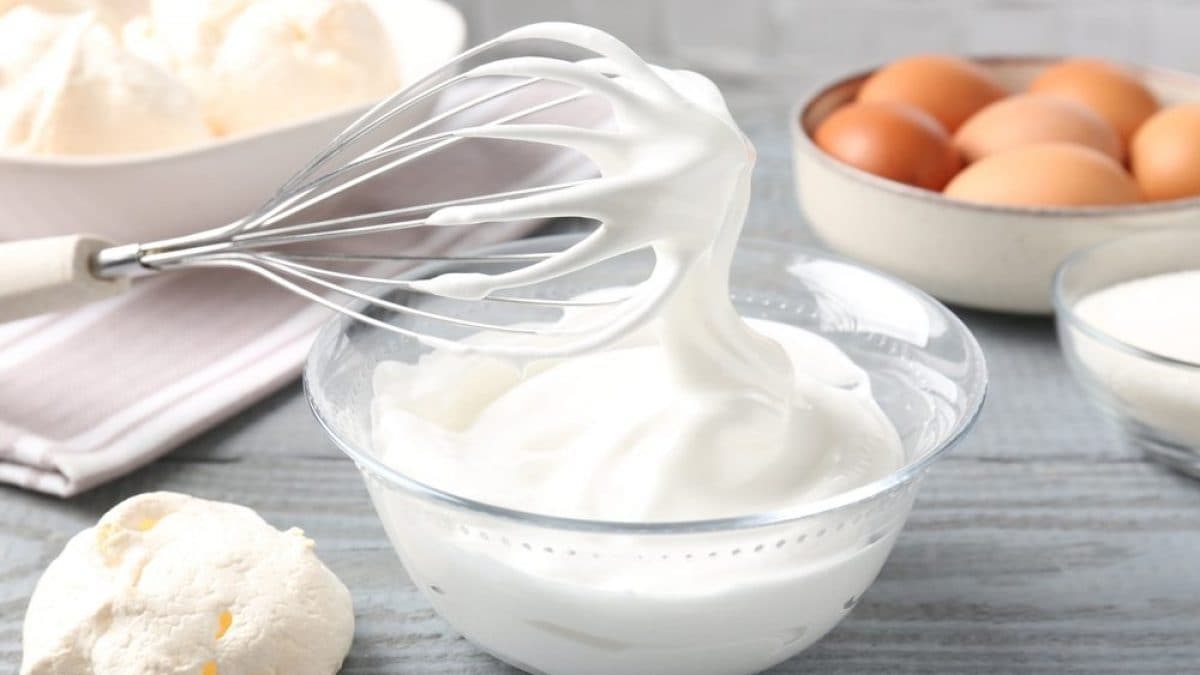
White, soft, light. In a word, irresistible. We're talking about whipped cream, one of the most beloved and versatile pastry bases: it's perfect for filling cakes and cream puffs, decorating spectacular desserts, and as a garnish to make hot chocolate and coffee even more delicious. Sooner or later, everyone has to make it at home, only to discover that something can go wrong even with a seemingly simple recipe. Let's see what the most common mistakes are and what to watch out for.
1. Choosing The Wrong Cream
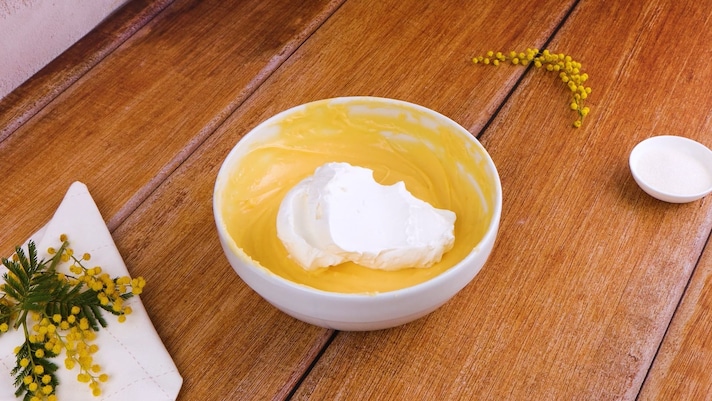
The first mistake comes at the supermarket, when you're shopping. When choosing it, rely on the fresh whipping cream found in the refrigerated section: it is, in fact, a product that contains at least 30-35% fat, essential for incorporating air and giving the mixture a stable structure. The higher the fat percentage, the better the consistency. Another factor not to underestimate is the expiration date: the cream must be extremely fresh, or the fat (which is in the process of degrading) risks separating from the whey, hindering the whipping process. For those following a diet free of foods of animal origin or suffering from lactose intolerance, there are plant-based and lactose-free alternatives specifically developed for this purpose, labeled "for whipping," to achieve a similar result.
2. Underestimating the Temperature
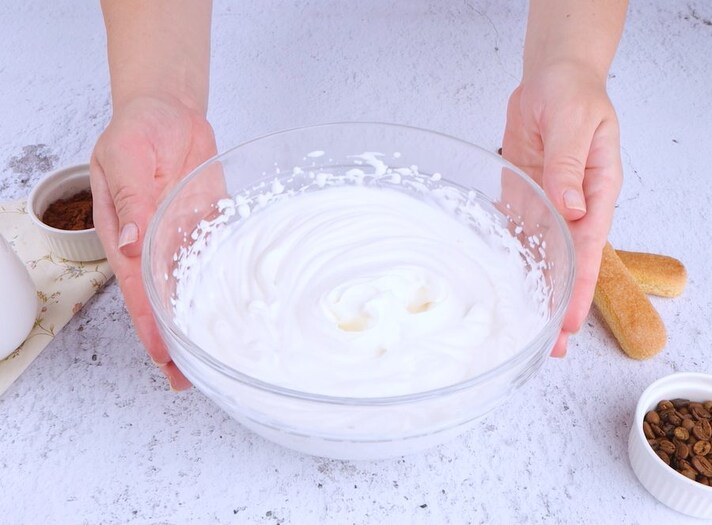
The fundamental rule that should never be forgotten is that cream should never be whipped unless it is very cold. The ideal core temperature ranges between 39°F/4°C and 42°F/6°C: this means that when you use it, it should be freshly removed from the refrigerator (if you bought it the same day, wait at least 3-4 hours) and used immediately. The same recommendation applies to tools: to avoid the cream being subjected to sudden temperature changes, it is advisable to place the bowl and whisk in the freezer for a few minutes, or put them in the refrigerator for a few hours.
3. Using Unsuited Tools
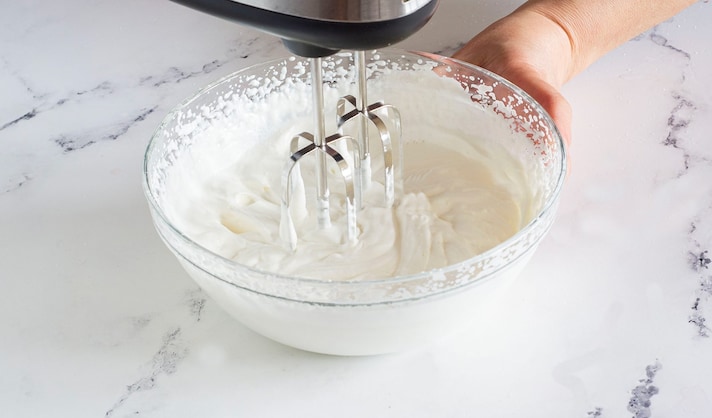
Closely related to the previous mistake, using the right tools will make the whole operation easier. As for the container, precisely because it needs to be cold, it's better to opt for glass or metal bowls, which maintain the temperature compared to plastic ones. Shape and size also matter: choose large, wide bowls with high sides, because air is needed for the cream to rise. The easiest way to whip cream is to use an electric whisk: you can also use a stand mixer, always chilling the bowl and the wire whisk. The operation can also be done by hand: although it's less tiring than you might think, it's also true that the movements are more regular with the other two methods, with a greater guarantee of success, especially if you have little experience in the kitchen.
4. Whipping It Poorly
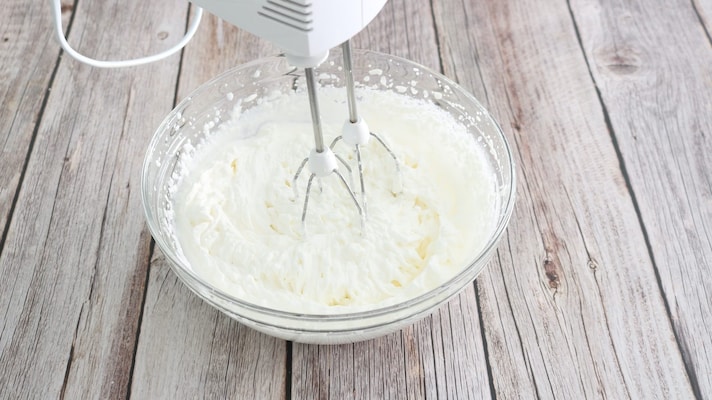
There's no way to explain it, since many mistakes can be made at this stage, all resulting in unwhipped cream. Once the liquid has been poured into the bowl, set the whisk to the lowest speed (not high, or you'll end up splashing the room) and whip using a circular motion in the same direction. When it starts to thicken, increase the speed to medium-high. You can also use the same speed for the entire preparation: in this case, choose medium. To incorporate the air properly, you need to keep both the direction (clockwise or counterclockwise makes no difference) and the rhythm constant. Also, don't stay on the surface, but push the whisk well into the bowl: the same applies to the stand mixer, which can usually be adjusted to lower the whisk.
5. Over or Under-Mixing the Cream
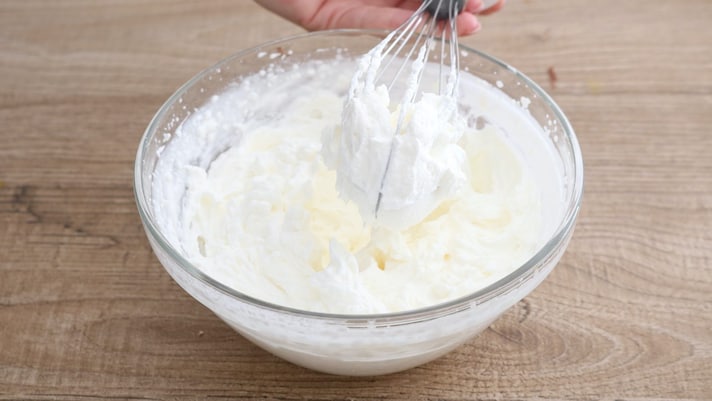
How long does it take to whip cream? Generally, it's a short time, about 5-6 minutes on average. When the mixture reaches a firm, fluffy consistency, it's time to stop. If you continue too long, you risk starting to get buttery, resulting in an excessively fatty and greasy mixture. Stopping when it starts to swell isn't a good idea, as the cream will collapse because it's still unstable.
6. Sugar Yes or No?
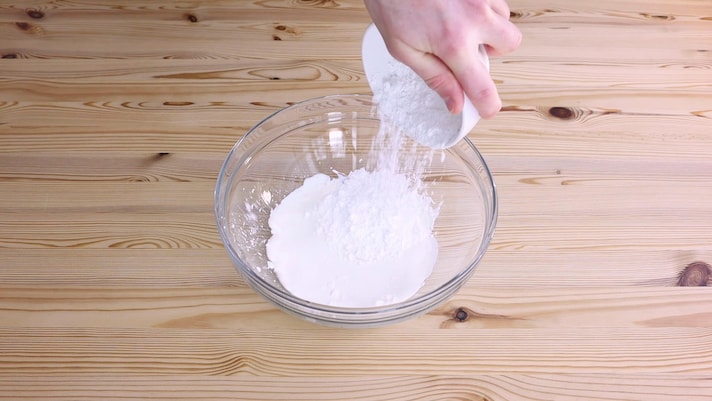
Cream can be made without any sweetener and be perfect just like that. There's nothing stopping you from adding sugar: the only sugar you should consider is powdered sugar, as its almost impalpable texture allows it to dissolve without forming lumps, as can happen with granulated sugar. Typically, the amount corresponds to 10% of the total weight or a little more, and is added when the mixture begins to whip slightly. A very popular variation is Chantilly cream, which is made with cream, powdered sugar, and vanilla.
7. Making It in Advance
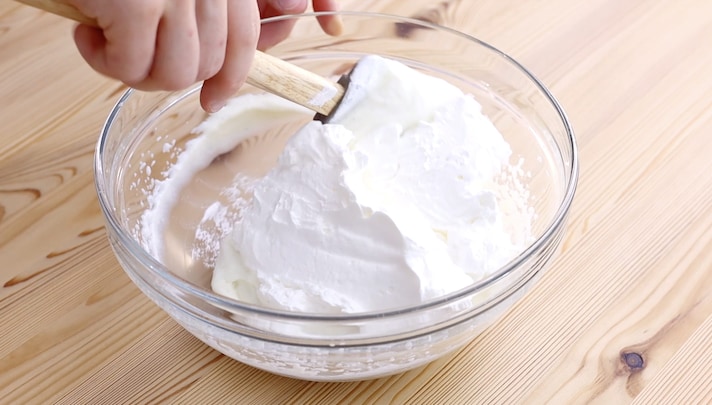
Whipped cream is one of those preparations that is not recommended to be made in advance: once ready, use it immediately for filling or decorating. If you do not serve it immediately, place the dessert – covered with a glass bell jar – in the refrigerator and do not leave it at room temperature, or the cream will collapse with the heat. If you want to store it, transfer it to an airtight container (or it risks absorbing the odors of other foods) and always keep it in the refrigerator, then consume it within 12-24 hours.
;Resize,width=767;)
