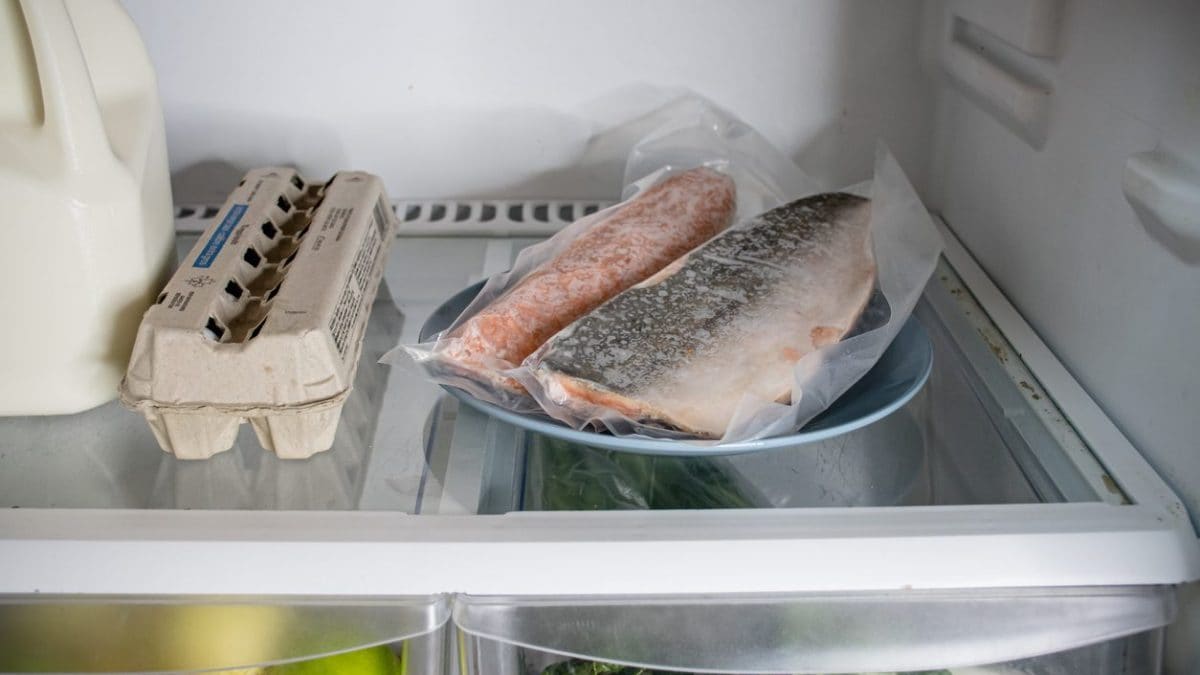
It's hard to do without a freezer at home: being able to preserve a variety of foods in it allows you to have food available for a long time, while also avoiding waste. Fish is no exception: whether whole (without the innards that spoil quickly) or filleted, having it in the freezer is practical and convenient. And if storage has been carried out in the best possible way, the spotlight is on the next phase, namely thawing, which requires some attention both for food safety reasons and to obtain a good result from the recipe you have in mind. So be careful of mistakes: some are really common.
Why It's Important to Thaw Fish Properly
From a hygiene and health perspective, fish – like other foods – if left on the kitchen counter or in the sink for a long time is subject to the proliferation of well-known pathogens in the kitchen, such as salmonella, Escherichia coli and listeria: technically, we enter what is defined as the “danger zone”, between 39°F/4°C and 140°F/60°C, within which microorganisms multiply rapidly. Frozen fish that remains at room temperature for more than two hours, for example, presents favorable conditions for possible poisoning even if it is subsequently cooked. A detail not to be underestimated: there is not necessarily an “off” odor that could predict contamination. From an organoleptic point of view, however, incorrect thawing can ruin the consistency and flavor of the fish, making it soft or with a stringy texture, also damaging its taste and aroma.
The Most Common Mistakes While Thawing Fish
A few lines above, we've already mentioned the most classic mistake: leaving fish at room temperature, which also happens to be one of the most common methods. However, it's not the only home technique that's best avoided. Let's review them.
1. Thawing at Room Temperature
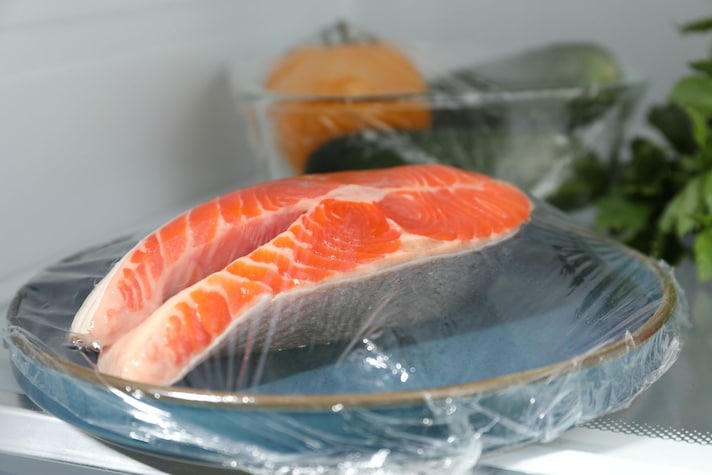
Frozen fish stays in the freezer at -0.4°F/-18°C: as explained, below 39°F/4°C there is no risk of bacteria multiplying and the product remains safe. For this reason, the best method is to avoid breaking the cold chain by moving the fish from the freezer to the refrigerator, an appliance that ensures a constant and controlled temperature. Place the fish on a plate to prevent the liquids it releases from coming into contact with other foods. Begin the thawing process the night before, so you will have the fish ready the following day, or in the morning to eat it for dinner: usually a good time is between 8 and 12 hours.
2. Thawing With Hot Water
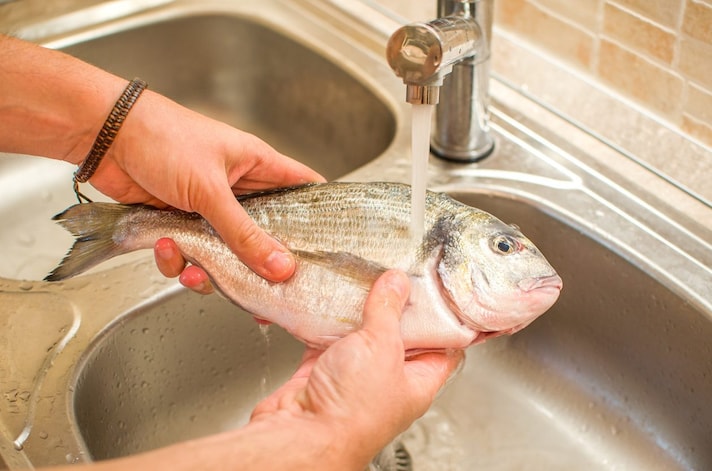
Those in a hurry often opt to thaw fish directly under hot water, but this is strongly discouraged as heat not only stimulates bacterial growth but also ruins the organoleptic characteristics of the raw material. If you need to "rush," you can still use water, but it must be cold: fill a bowl and place the fish, sealed in a plastic bag, inside to best preserve the texture and flavor without risking your health. Remember to change the water to maintain the temperature.
3. Thawing in The Microwave Without the "Defrost" Function
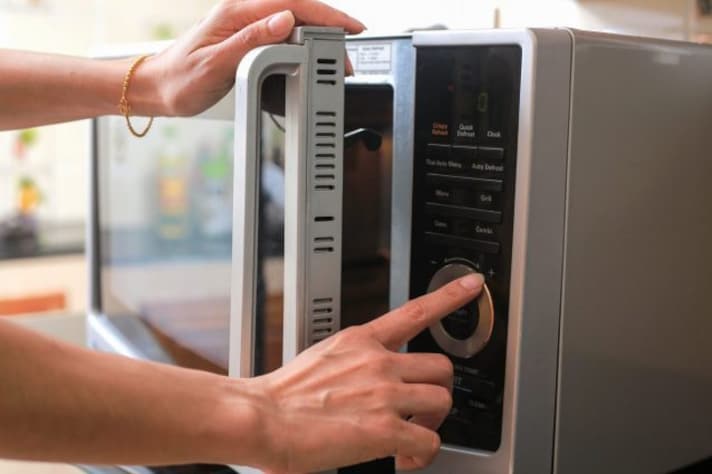
Thawing fish in the microwave is not a good idea because the heat is distributed unevenly. This means that some parts of the fish are already starting to warm or even cook, while others may remain frozen. This not only ruins the texture, making the meat drier, but can also encourage the growth of bacteria in areas that heat up too quickly. The defrost function, on the other hand, allows the fish—and foods in general—to defrost more gently and evenly.
4. Allowing Liquids to Contaminate the Refrigerator and Other Surfaces
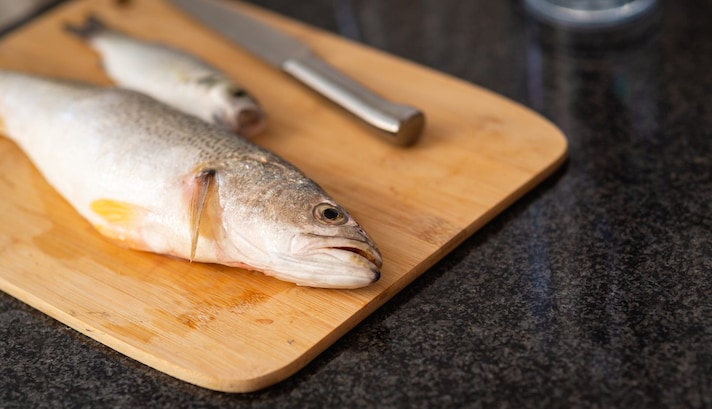
As fish thaws, it inevitably releases some liquid. A common mistake is to place it on a bare plate, a cutting board, or, worse, leave it in the sink or on a rack, allowing those juices to drip onto refrigerator shelves, containers, vegetables, fruit, or ready-to-eat foods. This is one of the most common ways cross-contamination occurs, the transfer of microorganisms from a raw food to other foods or to utensils and surfaces.
The correct way to thaw it is in the refrigerator in a container (preferably with a lid) or on a well-contoured plate, placing it on the lowest shelf to avoid dripping. After handling it, remember to wash your hands, cutting board, and knives immediately: with fish, hygiene isn't a detail, it's part of the recipe.
5. Cooking it Without Thawing it First
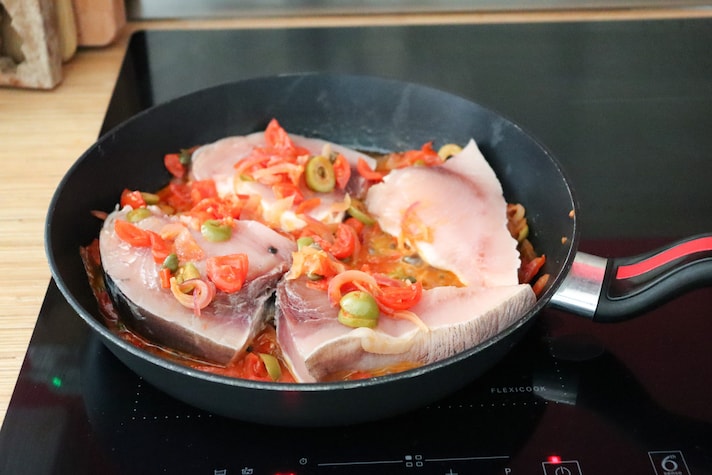
The frozen fish we buy at the grocery store can often go from the freezer to the pan or oven without any intermediate steps, while the same process is not considered appropriate for fish frozen at home. Why? Commercially frozen fish is rapidly brought to very low temperatures as soon as it's caught, forming tiny ice crystals that don't damage the fibers. Therefore, if instructions allow, it can be cooked directly without thawing, achieving virtually the same results as good fresh fish. Fish frozen in the home freezer, on the other hand, cools more slowly and develops larger ice crystals that break down the structure of the flesh; it therefore tends to lose more juice, become soft, and cook unevenly.
6. Putting it Back in The Freezer
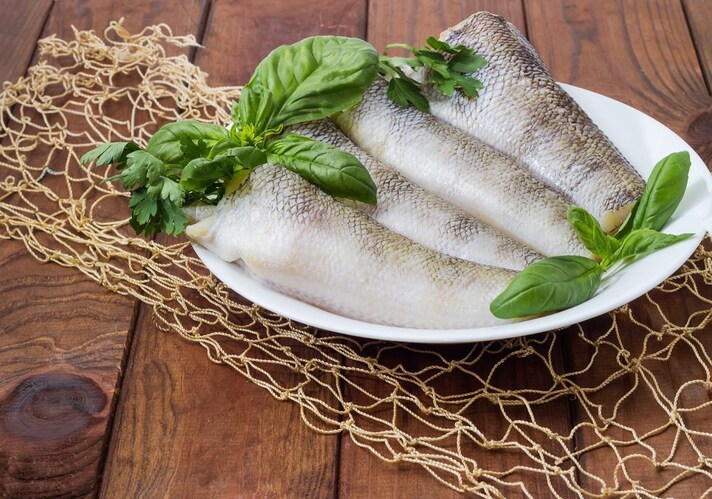
A rule that applies to all foods: once fish is thawed, it cannot be re-freezed raw. If the amount removed from the freezer is more than you plan to consume, the solution is to cook it all and then store the excess in the freezer. After cooking, the food can be re-frozen, as the heat should have eliminated any potential bacteria.
7. Not Respecting the Consumption Times
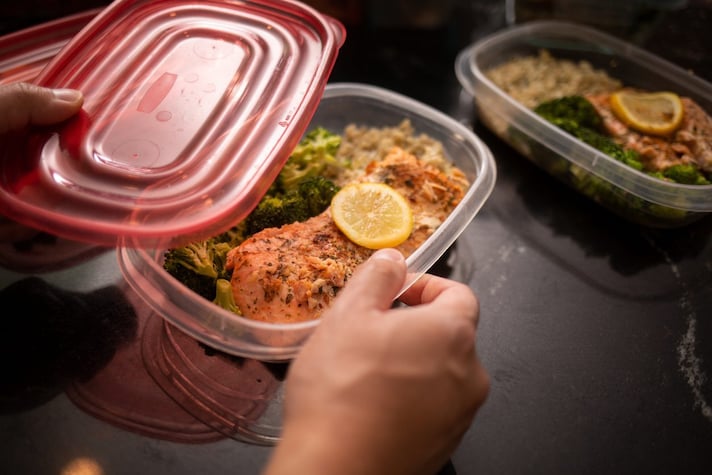
Once thawed in the refrigerator, fish shouldn't wait too long: ideally, it should be consumed within 24 hours. Beyond this time frame, not only does the microbiological risk increase, but its consistency, aroma, and flavor also begin to deteriorate significantly. If you know you won't be able to consume it within a day, it's best to cook it as soon as it's thawed and only then, if necessary, store it in the refrigerator for a short time or refreeze it already cooked. In the kitchen, time is a silent ingredient: with fish, it's also one of the most crucial.
;Resize,width=767;)
