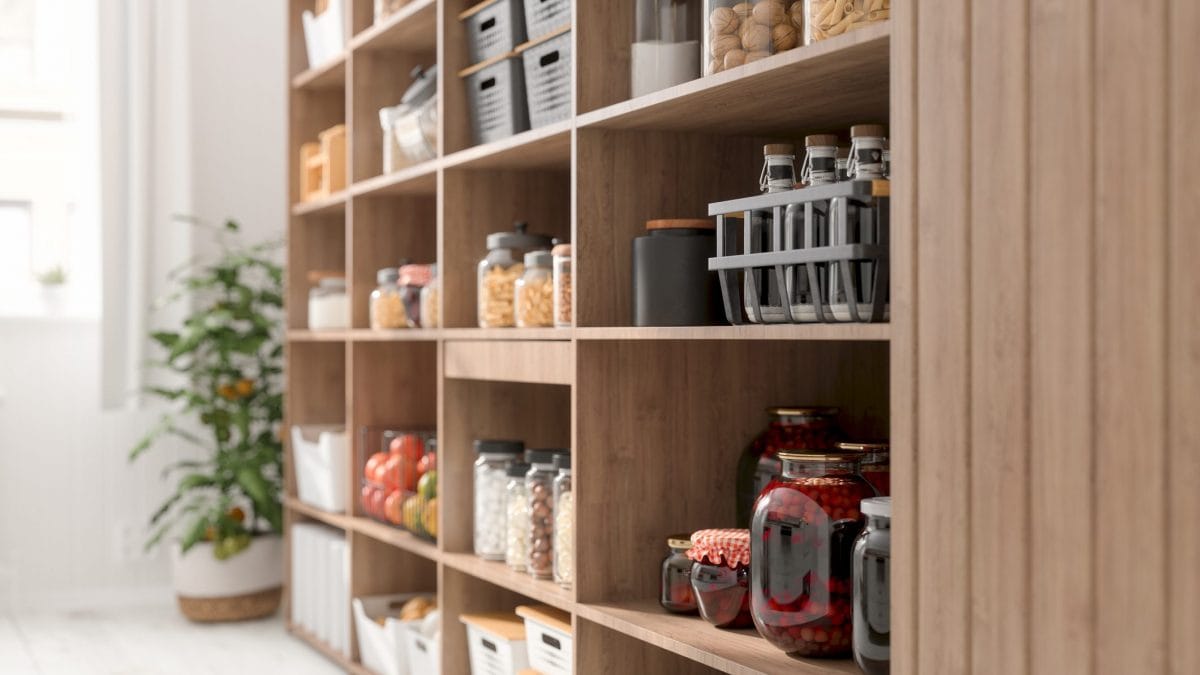
There’s nothing worse than reaching for a bag of your favorite chips or crackers, only to find that they’ve gone soggy or stale. Whether it's the result of a rushed trip to the pantry or a late-night snacking binge, stale snacks are a disappointing experience — and an unfortunate waste of food. Fortunately, there are some simple steps you can take to preserve the freshness and flavor of your snacks, ensuring they stay crisp and enjoyable for longer.
1. Proper Storage is Key
The most important factor in keeping snacks from going stale is how they’re stored. Snack bags, boxes, and containers are typically designed for short-term storage, but after they’re opened, they’re susceptible to air and moisture — the two primary culprits that lead to staleness. Airtight Containers are your best friend here. Transfer your snacks into resealable bags, plastic containers with tight-fitting lids, or glass jars with sealing lids. If you don’t have the original bag or packaging, these containers can provide a much better seal and protect your snacks from the air that causes them to lose crunch. For snacks like chips or pretzels, consider using a vacuum-seal option if you’re storing larger batches. Vacuum sealing removes the air and helps preserve the freshness for weeks or even months, ideal for keeping snacks crisp.
2. Keep Snacks Away from Heat and Light
Just like how sunlight can degrade food in your fridge, heat and light can degrade snacks. Exposure to heat can make oils in snacks go rancid, while light can cause them to lose flavor. Store snacks in a cool, dark place to preserve their quality. A pantry or a kitchen cupboard away from your stove or direct sunlight is usually the best option. Avoid placing them near the window or on shelves above the stove, where heat can naturally circulate.

3. Use Silica Gel Packs or Food-Grade Absorbers
Another great trick to keep your snacks fresh is to use silica gel packs or food-grade moisture absorbers. You’ve probably found these little packets inside bags of chips, crackers, or other snack foods — and there’s a reason for that. These packets absorb excess moisture and help prevent snacks from becoming soggy. You can buy food-safe silica gel packs online and place them inside snack containers to keep the air dry. Just be sure to check that the packets are food-safe and keep them away from small children and pets.
4. Seal Snacks Immediately After Opening
Once you open a bag of snacks, it’s crucial to close it back up tightly right away. Many snack packages come with a resealable strip or zipper seal, but if they don’t, you can always use a clip or twist tie to seal the bag.
If the packaging isn’t resealable, consider using a chip clip or binder clip to make sure the bag stays sealed. You can also roll the bag tightly and place a rubber band around it to prevent air from getting in.
5. Consider Freezing for Long-Term Storage
If you’ve got snacks you don’t plan to eat right away, you can extend their shelf life by freezing them. Cookies, crackers, and pretzels can all be stored in the freezer for a longer period without losing much in texture or flavor. To freeze snacks, place them in an airtight bag or container and remove as much air as possible before sealing. When you're ready for a snack, let them thaw out at room temperature, and they'll be just as tasty as the day you stored them.

6. Don’t Forget About the Pantry Staples
For snacks like nuts, dried fruit, and granola, it’s important to store them in airtight containers as well. But these snacks often benefit from being kept in the fridge or freezer if you plan to store them for an extended period. Nuts, for example, contain oils that can go rancid quickly at room temperature, so keeping them in the fridge can help preserve their flavor. Just be sure to bring them back to room temperature before eating to restore their full flavor.
7. Use “Best By” Dates as a Guide, Not a Rule
Lastly, remember that the “best by” dates on snack packaging are generally a guideline for when the product will taste its best. These dates are often conservative, and many snacks can still be eaten for weeks or even months after the printed date — as long as they’ve been stored properly. However, if your snacks look or smell off, it’s always best to trust your senses over a date. For chips, crackers, or cookies that taste stale, consider repurposing them in recipes like breadcrumb toppings, crusts, or even mix-ins for your baked goods.
;Resize,width=767;)
