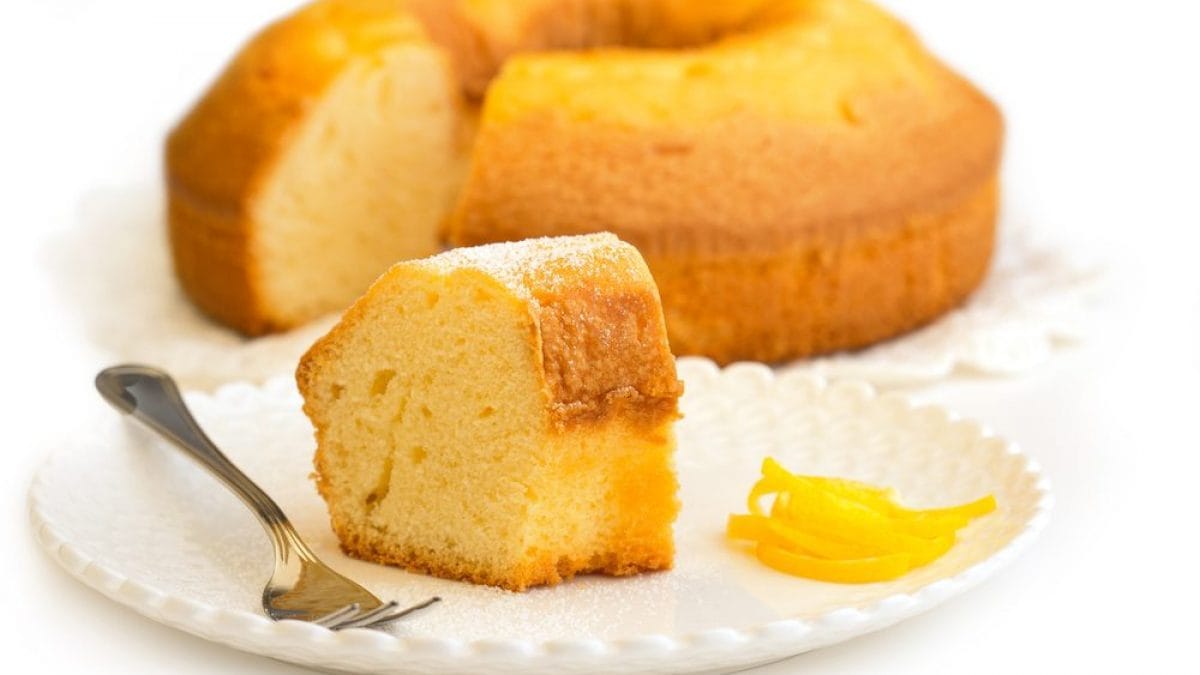
Butter is one of those products that seems irreplaceable, especially when it comes to making desserts (but it's also used in countless savory recipes). So what do you do if you want to cook but don't have any on hand, or if you can't eat it because you're vegan, have intolerances, or simply want something healthier and lighter? The solution is easier than you think. Butter can be replaced with many different foods, some more familiar like cream and yogurt, others more unexpected like avocado pulp; it's best to avoid margarine, because due to how it's produced, it's not considered very healthy. Let's discover together the best foods to use in place of butter, the correct quantities to use, and some tips for choosing the most suitable one based on your recipe.
1. Cream
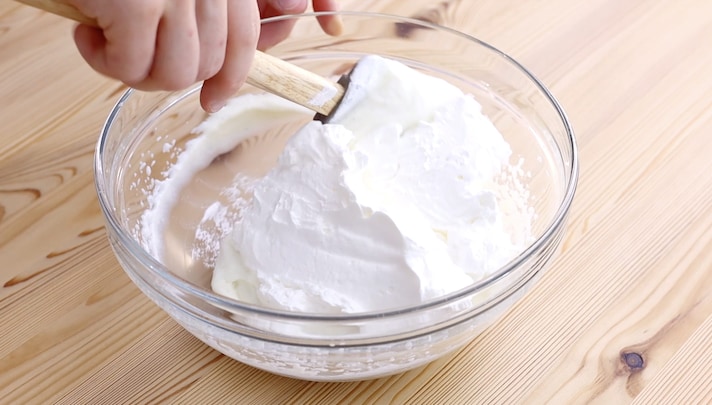
The most well-known and widely used alternative is undoubtedly cow's milk cream, an ingredient with a very similar fat content to butter (though non-dairy cream is also fine if you don't consume dairy products). Thanks to the similar consistency between the two products, even using cream will allow you to create delicious, tall, and fluffy desserts. It's also very easy to work with and blends well with other ingredients. Remember that cream is available both sweetened and unsweetened: if you use sweetened cream, remember to pay attention to the sugar doses, perhaps reducing them slightly. Speaking of doses, for a perfectly smooth mixture, we recommend using 125g for every 100g of butter.
2. Vegetable Butter
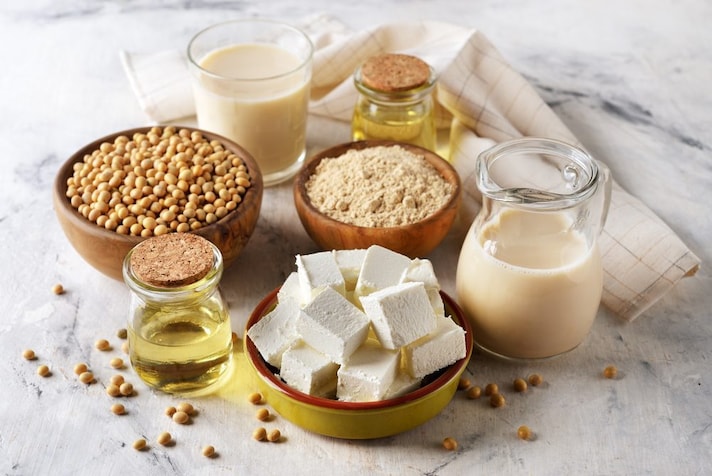
Another good option, if you don't want to give up the creaminess of butter, is to opt for vegetable butter, an alternative that works well in both sweet and savory recipes. In this case, the quantities and methods are the same: vegetable butter melts easily in a double boiler or in the microwave and is very easy to mix. Just pay attention to the flavor, as vegetable butters have a particular taste depending on the type of ingredient they are made from and therefore could affect the flavor of the recipe.
3. Yogurt
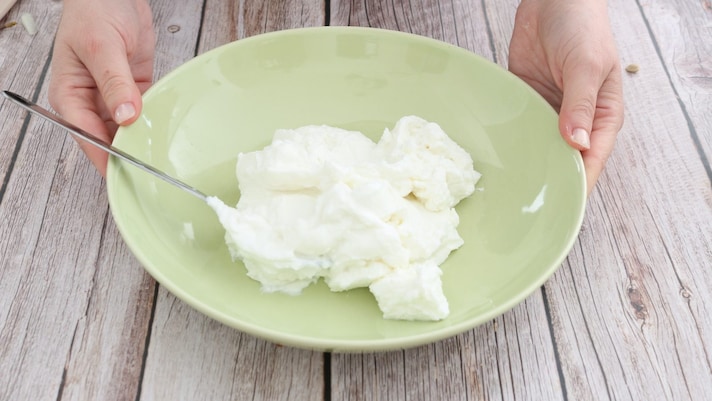
Ideal for making a soft and fluffy dough, for example when baking a bundt cake or plum cake, yogurt is an excellent substitute for butter, especially in desserts. You can choose classic cow's milk, opt for plant-based alternatives, or use Greek yogurt, ideal because it is not only less sweet and the densest of all, but also much lower in calories than other yogurts and butter. To perfectly balance flavors and textures, the ratio is 125g for every 100g of butter you want to replace.
4. Ricotta
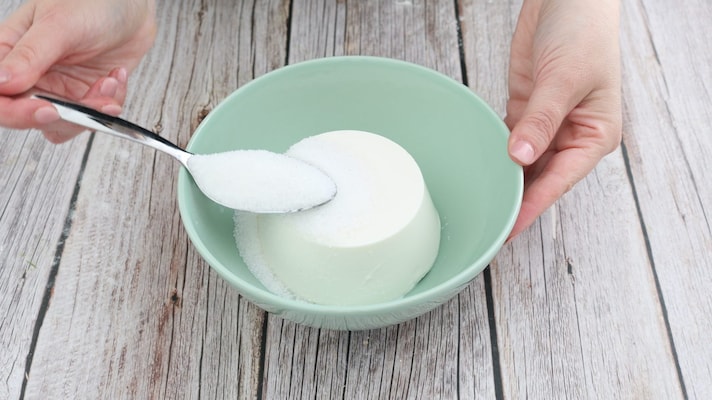
If you're making a savory recipe (but it's also a valid option for desserts), ricotta is a perfect ingredient, especially for moister recipes, because it has the ability to "dry" doughs during cooking. The ratio depends on the type of ricotta, but as a general rule, you can use 120g of ricotta for every 100g of butter. If you're making a dessert and notice that the dough is too dry, you can add a glass of milk. This is no problem for savory recipes, where ricotta is especially useful for stirring.
5. Seed Oil
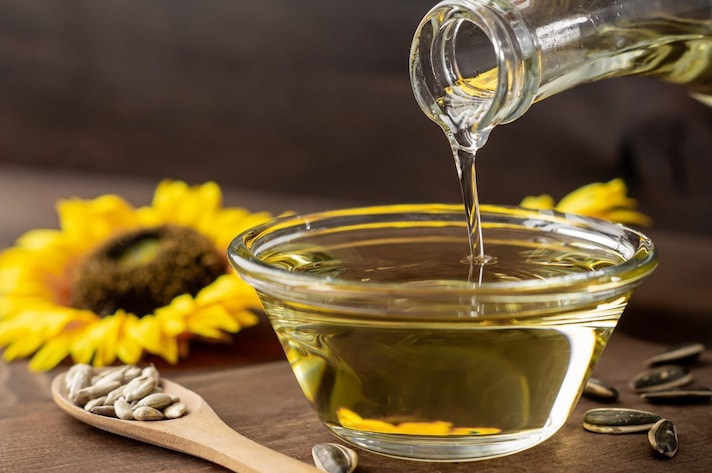
If you prefer to completely avoid dairy and similar products, you can use seed oil in your recipes. This is an excellent option because it has a neutral flavor and doesn't alter the taste of the recipe in any way, especially when it comes to desserts. You can use oil in any type of recipe, but remember that, in this case, you will need to reduce the amount compared to the butter: the correct ratio is about 80g of oil for every 100g of butter. Among the many seed oils available, corn, sunflower, or peanut oil are the most suitable for desserts.
6. Extra Virgin Olive Oil
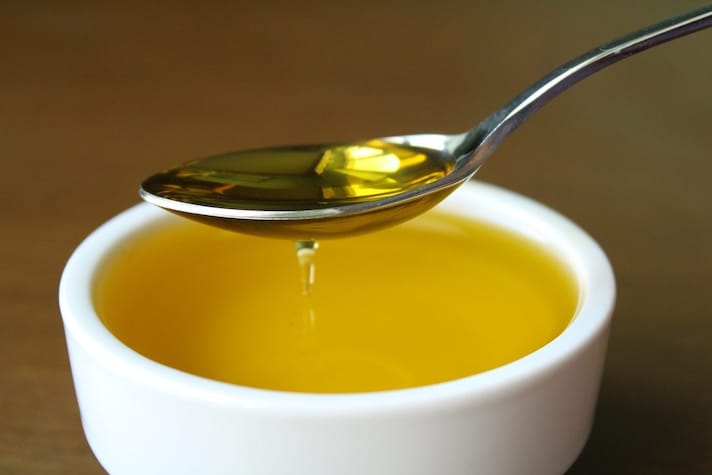
Another valid alternative in the world of oils is extra virgin olive oil, a great excellence of Italian gastronomy, but in this case you must use it with caution. This type of oil, while an excellent substitute for butter, has a much stronger flavor and therefore, if used in excess, can affect the final taste of the recipe. Precisely for this reason, it is used mainly as a substitute in savory recipes, but it is also suitable for desserts as long as the portion is much smaller than that of butter: 60g of extra virgin olive oil for every 100g of butter is enough.
7. Peanut Butter
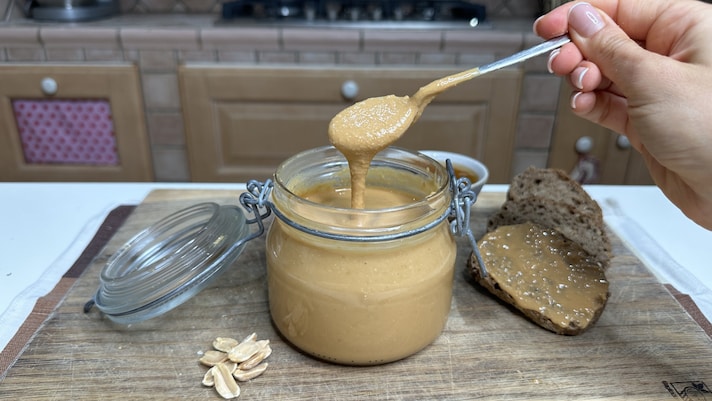
Peanut butter, the spread made from the peanut variety of the same name, is a beloved American treat, but you might not know it can also be used in place of butter. Given its very distinctive flavor, it's not suitable for all recipes, but it's excellent for desserts, especially biscuits or muffins. Just remember to warm it in a bain-marie before adding it to the other ingredients because it has a very thick consistency. Even in this case, a small amount is enough: 60g of peanut butter for every 100g of butter will suffice.
8. Avocado Pulp
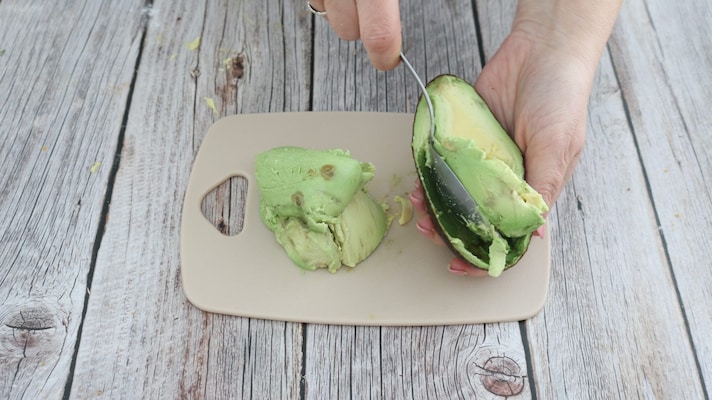
This is the one that will surely surprise you the most: even if you're used to seeing avocados everywhere, having become a very popular fruit even in the West, you might not know that they can be an excellent substitute for butter. First of all, avocado pulp has a very buttery consistency, and it also has a very delicate and subtle flavor, all characteristics that make it an excellent alternative, especially for making desserts like bundt cakes, biscuits, and tarts. About 60g of mashed avocado pulp is enough to replace 100g of butter.
;Resize,width=767;)
