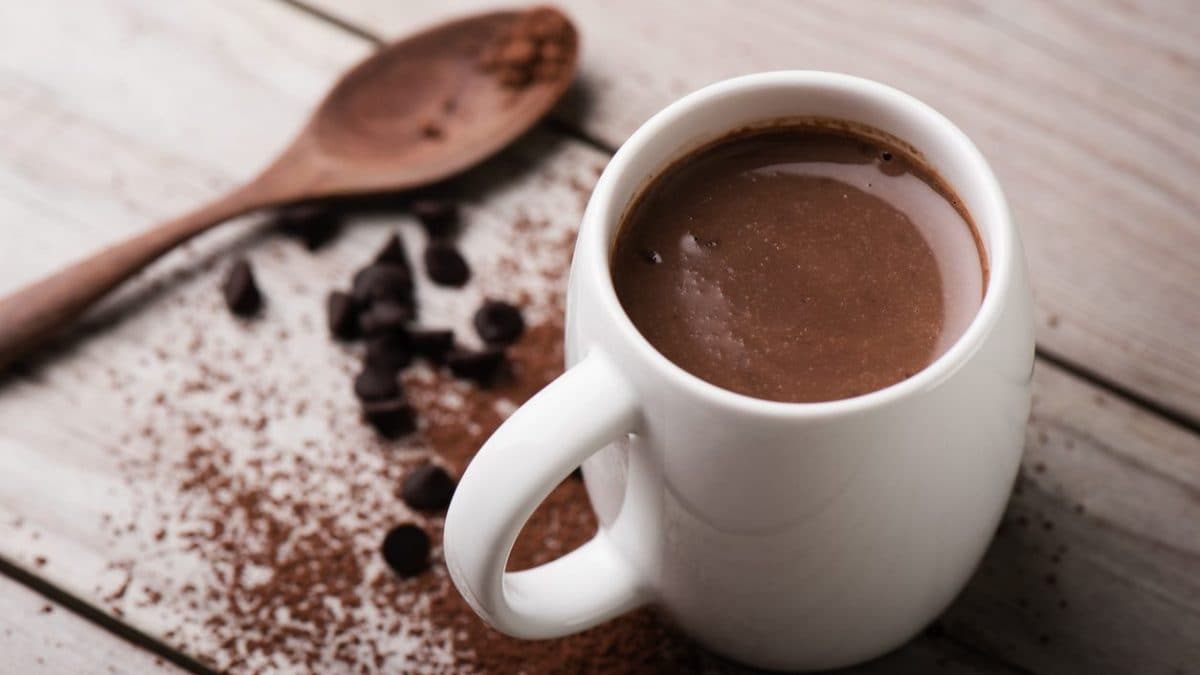
There are few things in the world that can lift your spirits: a sunny day after a week of rain, your favorite meal after a failed exam, shuffle that plays your favorite song out of 8,345, and a nice cup of hot chocolate when it's raining and cold outside and all you want to do is curl up on the couch with a blanket and read a good book or watch a movie. However, beautiful things need care, and your hot chocolate is no exception: so here's a list of mistakes to avoid so you can always make the best possible hot chocolate.
1. Choosing a Low-Quality Chocolate or Cocoa

It's the base. So, you can't go wrong. There's a lot of talk about quality chocolate bars, but the characteristics of the cocoa powder are equally important: it's essential to choose one that's as natural as possible, without added additives or, worse, sugar. For the chocolate, however, it's preferable to opt for one that's at least 60-70%, otherwise you risk obtaining a drink that's too sweet and cloying. Also remember that good chocolate melts better and makes it easier to achieve a silky consistency.
2. Not Melting Cocoa or Chocolate Properly

This is one of the main reasons why your chocolate may have lumps: as we said above, to create a smooth and velvety drink, it's important for the chocolate to melt perfectly. For cocoa powder, you can sift it before adding it to the liquids, while for solid chocolate, you can melt it first in a double boiler or mix it with a little hot milk, then incorporate it into the other ingredients.
3. Using Water Instead of Milk

We don't want to judge anyone, and if you want a lighter version, continue to prepare it with water: in this case, use filtered water, as it should also be for the moka pot. However, for once, when you want to indulge in the pleasure of a good hot chocolate, why not make it properly? Milk is essential for obtaining a rich and full-bodied drink, velvety and dense: on the contrary, water risks making you obtain a more liquid and much less flavorful result.
4. Choosing Milk That Isn't Rich and Fatty (Even If It's Plant-Based)

The basic premise of this point is the same as the previous one: you can do whatever you want. So, if you have an intolerance or simply can't digest milk, you can safely use plant-based drinks. One recommendation, however: try to choose one with a significant fat percentage, such as coconut milk. This is because, to obtain a hot chocolate with the right consistency, you need a liquid with a good amount of fat, so even if you want to use cow's milk, it's always better to opt for whole milk.
5. Not Stirring

How annoying is it to make a hot chocolate that tastes great but is full of lumps? After addressing the issue of melting chocolate, there's another tip we can give you to prevent this from happening: try to stir it as much as possible so that all the ingredients are well combined and, above all, to avoid the risk of it sticking to the bottom and burning. Constant stirring also allows you to gradually control the density and be able to turn off the heat at the right time, preventing the drink from boiling.
6. Using The Wrong Thickener

A good hot chocolate should be thick, it's true, but not too thick. This is why one mistake to avoid is choosing the wrong thickener: flour is the least recommended, as the presence of gluten can make it too heavy and pasty, as well as leaving a floury aftertaste that doesn't pair well with the flavor of chocolate. The best choice is definitely cornstarch for a light and just the right amount of thick consistency, but potato starch is also a valid alternative.
7. Not Using Spices

It's true that hot chocolate is delicious even plain, but what if we told you that adding a few spices could make it even tastier? If you don't want to take too many risks, we recommend topping it off with a pinch of cinnamon, coffee, vanilla, or even a little orange zest. If you're feeling more adventurous and aren't afraid to experiment, try ginger, chili pepper, black pepper, mint, or licorice. Add a pinch of salt, if you like, to tame any excess sweetness and further enhance the chocolate flavor.
8. Adding Sugar When It's Already in The Cup

We'd like to tell you that you should avoid using any type of sweetener at all, so you can fully enjoy the flavor of chocolate (a bit like what happens with coffee). But we always believe that food should be tasty for the person who consumes it, so if you want a sweeter hot chocolate, who are we to say no? Our advice on this, however, is about when to add it: it's best at the end —so you can figure out the right amount once all the ingredients have been added— but not while it's already in the cup. In fact, in this case, the sugar might not dissolve properly, leaving the drink bitter and the granules still intact. A valid alternative can also be powdered sugar or honey, although the latter would alter the flavor of the chocolate a bit "aggressively."
;Resize,width=767;)
