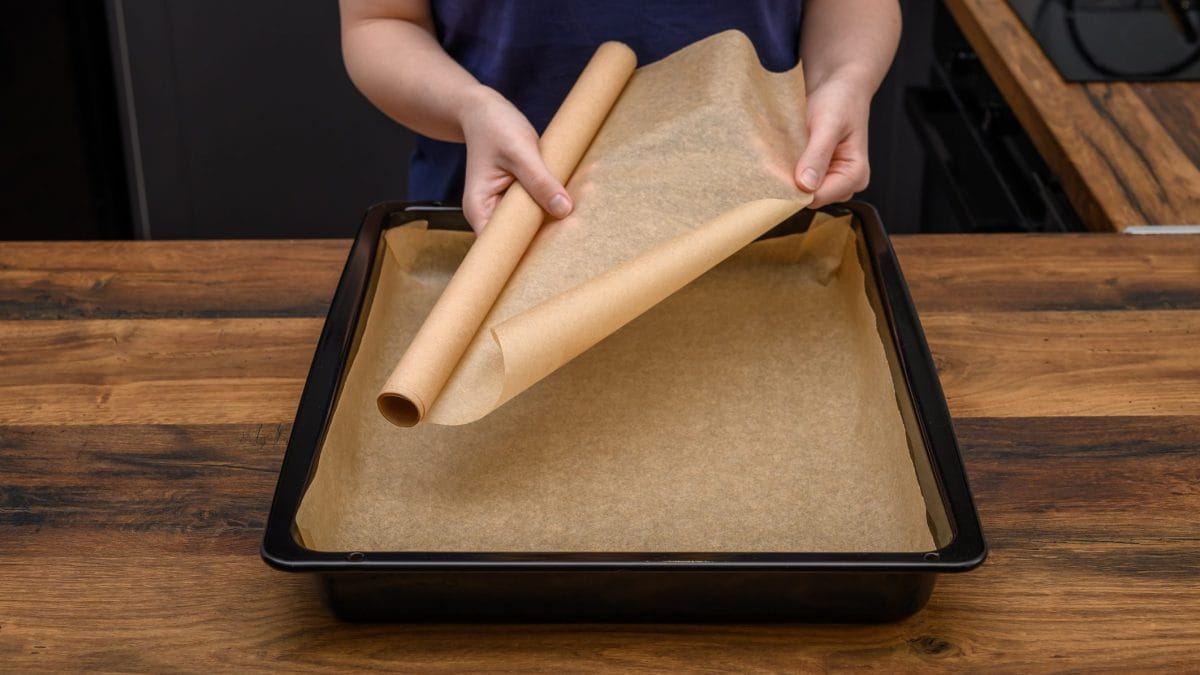
Parchment paper is one of those quiet kitchen tools that rarely gets credit. It prevents sticking, cuts down on scrubbing, and makes you feel slightly more organized than you might actually be. But for something so simple, it’s surprisingly easy to misuse. Used correctly, parchment paper can make baking and roasting more consistent and less stressful. Used incorrectly, it can smoke, burn, curl into your food, or — in rare cases — create a real safety issue. Here are the most common parchment paper mistakes home cooks make and how to avoid them.
1. Using It Under the Broiler
This is the big one. Parchment paper is heat-resistant, not fireproof. Most brands sold in the U.S. are rated safe up to 420°F to 450°F, depending on the manufacturer. A broiler, however, can easily exceed that temperature, especially when the rack is positioned close to the heating element. Under direct broiler heat, parchment can darken, smoke, and even ignite. If you’re finishing a dish under the broiler, swap it out for aluminum foil or cook directly on a properly greased pan instead.
2. Ignoring the Temperature Rating
Even outside the broiler, parchment has limits. Check the box — it will list a maximum temperature. Going significantly beyond that, especially for extended periods, increases the risk of scorching and smoke. Roasting vegetables at 425°F? You’re fine. Cranking the oven to 500°F for pizza? Probably not the moment for parchment.

3. Letting It Hang Over the Pan
It’s common to line a baking sheet generously so there’s extra parchment on the sides. But if those edges hang too far over the rim, they can drift toward heating elements and burn. Trim the excess or tuck it neatly so it stays flush with the pan. It’s a small adjustment that prevents a lot of unnecessary smoke.
4. Confusing Parchment Paper With Wax Paper
They are not interchangeable. Wax paper is coated in paraffin wax, which melts and can smoke or ignite in the oven. It’s fine for wrapping sandwiches or lining countertops for rolling dough — but never for baking.
If it’s going in the oven, make sure the box clearly says parchment paper.
5. Not Weighing It Down When Baking
If you’ve ever put parchment on a sheet pan and watched it fly around in a convection oven, you know the frustration. Parchment should be secured with food immediately after placing it on the pan. For blind baking pie crusts, you’ll need to weigh it down with pie weights or dried beans. Unsecured parchment can curl, shift, or block airflow, affecting how food cooks.

6. Reusing It Too Many Times
Parchment can sometimes be reused, especially for low-moisture baked goods like cookies. But once it’s heavily browned, brittle, or coated in grease, it’s time to replace it. Old parchment becomes more fragile and more likely to scorch. Reuse is practical but not unlimited.
7. Assuming It Eliminates All Sticking
Parchment dramatically reduces sticking, but very sugary or cheesy foods can still adhere slightly once caramelized. For recipes heavy in melted cheese or sticky syrups, a light spritz of oil on top of the parchment can offer extra insurance. It’s not always necessary, but it helps in high-sugar situations.
8. Using It in the Wrong Appliance
Parchment works beautifully in standard ovens and toaster ovens (within temperature limits), but it should never be used in a microwave with exposed heating elements, and it requires caution in air fryers. In air fryers, parchment must be weighed down by food — otherwise, circulating hot air can lift it into the heating coil. Many manufacturers recommend perforated parchment sheets specifically designed for air fryers. Always check your appliance manual before experimenting.
;Resize,width=767;)
