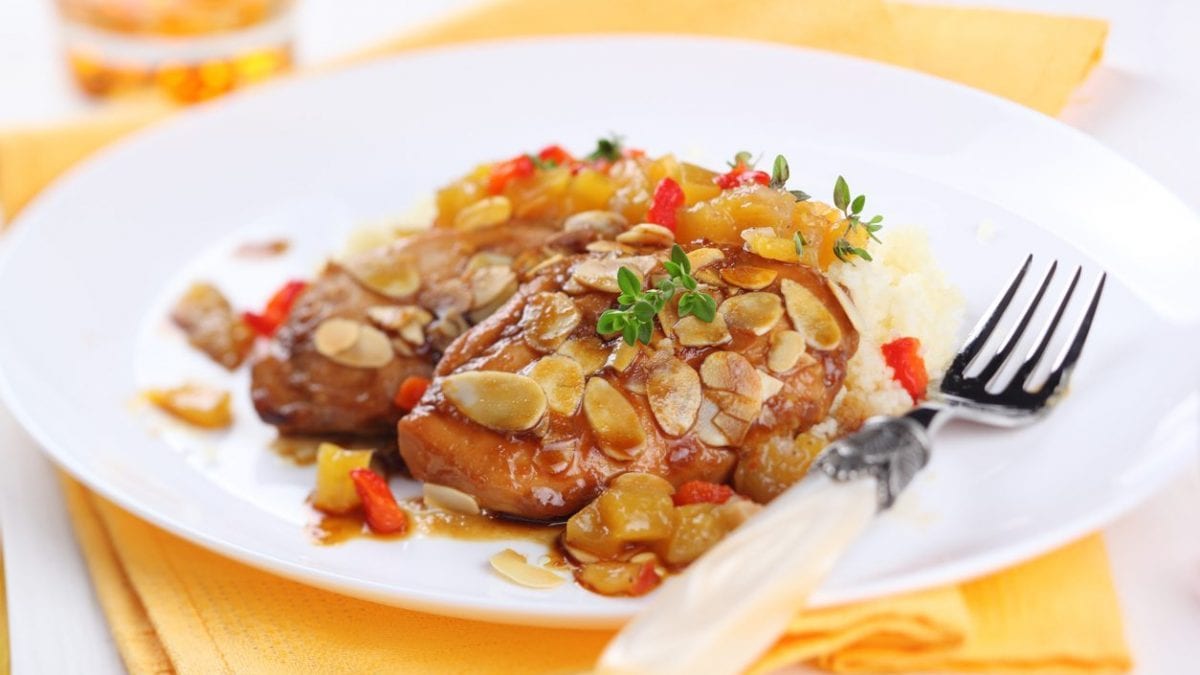
From traditional pastry making to contemporary cuisine, almonds are one of the most common and least questioned ingredients. They appear in a wide variety of preparations— desserts, sauces, savory doughs —and precisely because of this widespread use, they tend to be treated as simple, almost automatic.
In reality, it is a technically "unstable" ingredient: it changes behavior based on processing, reacts sensitively to heat, and affects its structure, moisture, and flavor profile more than you might think. Seemingly minor errors— imprecise roasting, incorrect grinding, poor balancing—have a direct impact on the final result. Understanding where you most often go wrong isn't just a matter of precision, but of controlling the outcome. Here are all the mistakes you shouldn't underestimate when using almonds in the kitchen.
1. Using Them Without Considering Their Function
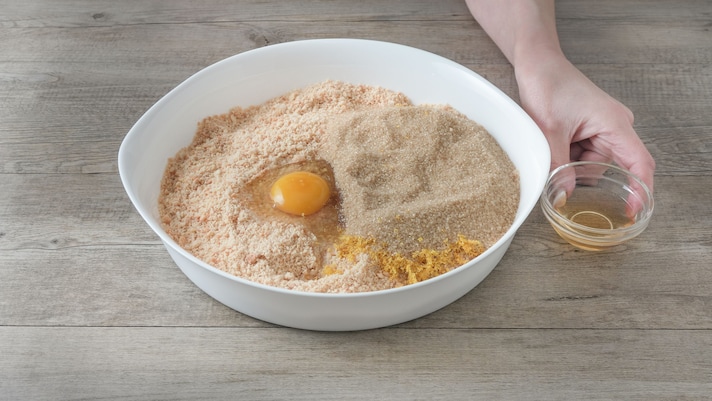
The first mistake is to treat almonds as an accessory ingredient because, in reality, they directly affect the structure of the preparation. Their composition—with a fat content that can exceed 50% —alters the behavior of doughs and emulsions. When using almond flour, for example, a component is introduced that does not develop gluten and hinders the hydration of the starches present in other flours. This reduces elasticity and the ability to retain air, with obvious effects on volume and consistency. At the same time, fats tend to "shorten" the structure, making the result more crumbly.
For this reason, substitutions are never neutral: in a cake, for example, adding almond flour without modifying the recipe easily leads to a lower, more fragile result, with a crumb that tends to crumble. In practical terms, some proportions work better than others: a partial substitution —around 20-30% of the total flour—is generally manageable without significant intervention. Beyond this threshold, more noticeable changes in consistency and structure begin to emerge, and it becomes necessary to rebalance the recipe, especially by slightly increasing the liquid component or working on the protein component (usually eggs). Beyond 50%, however, it's no longer a variation but a fundamental change: the recipe must be completely rethought, because the dough's behavior is now dominated by the almonds.
2. Getting the Roasting Wrong (Or Skipping It Altogether)
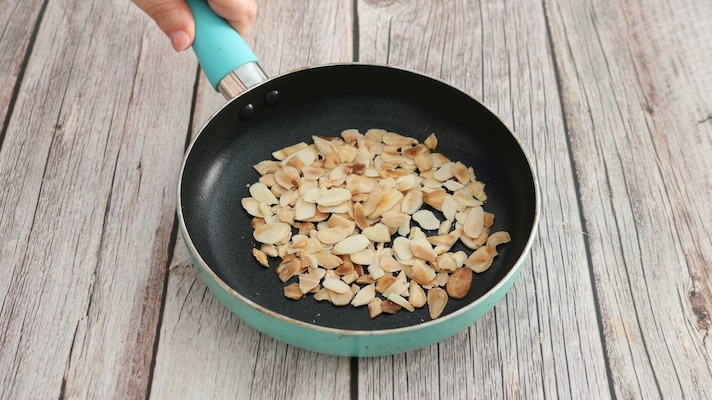
Roasting is one of the most crucial steps in terms of aroma: when raw, almonds have a relatively neutral profile; it is with heat that the more complex notes develop through Maillard reactions and sugar transformations. The critical point, in this case, is temperature control: around 140-160°C (274-320°F) the best aromatic development is achieved; above this threshold, there is a risk of lipid degradation, generating bitter and lingering aromas. It is a rapid and not very reversible process: a few extra minutes can compromise the result.
Another often overlooked aspect is uniformity: whole, sliced, or already ground almonds react differently to heat, and differences in size lead to uneven roasting. Therefore, whenever possible, it's best to work with regular pieces and check visually and olfactoryly rather than relying solely on time.
The difference is immediately noticeable in the kitchen: unroasted almonds, added to a cake or pesto, produce a flat, flavorless result. Conversely, excessive toasting —even for just a few minutes—leads to bitter notes that overwhelm everything else, especially in creams or delicate bases. A typical example is the flakes used for finishing: if they're unroasted, they remain unremarkable; if they're too dark, they become invasive. The right time is when they're just beginning to brown and release their aroma, because beyond that point the margin for error is minimal.
3. Not Peeling Them When Necessary
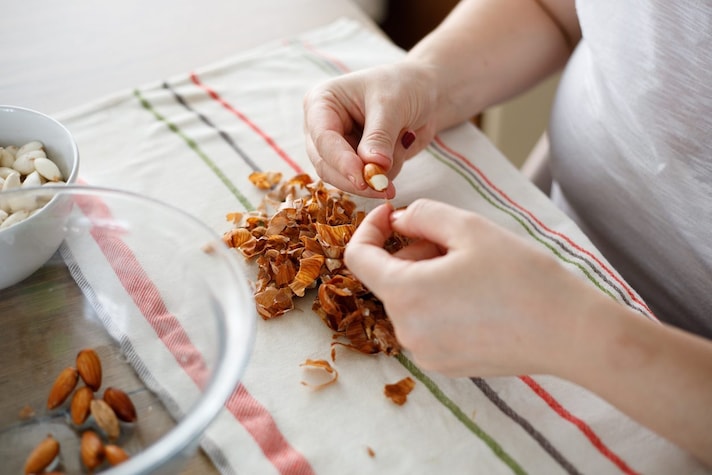
The choice between peeled and unpeeled almonds isn't just a matter of aesthetics. The skin contains compounds that introduce a slight astringency and a more pronounced aftertaste, which can be out of place in more delicate preparations. In a cream or a fine paste, for example, the difference is clear: the flavor is less clean and the texture slightly less homogeneous. The color also changes, becoming duller. For this reason, in pastry making, peeled almonds are almost always used. Conversely, in rustic or savory preparations, the skin can be an added value, contributing to a more assertive and less "refined" flavor profile. Therefore, the choice should be made based on the desired result.
4. Storing Them Badly and Ruining Them
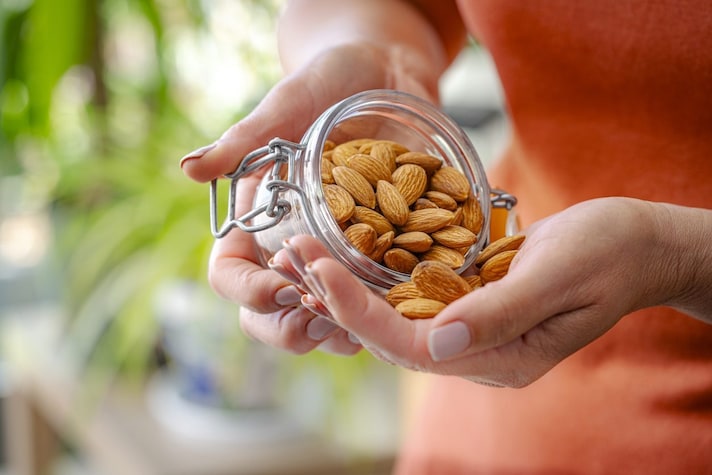
Almonds are susceptible to oxidation, a process that affects their fats and leads, over time, to the development of rancid flavors. The problem is that this deterioration is gradual and often not immediately apparent. In the kitchen, this translates into less than convincing results: an almond cake that seems perfect but has a strange aftertaste, or a cream that turns out flat and slightly bitter. Often, people tend to adjust the recipe, when in reality the problem lies in the raw ingredients. The situation is even more evident with pre-packaged almond flour: compared to whole almonds, it loses its flavor much faster. Therefore, when possible, working with fresh almonds and grinding them on the spot makes a clear difference.
From a practical standpoint, whole almonds can be stored for a fairly long time—even up to 12 months —if stored in airtight containers, away from light and heat. Almond flour, on the other hand, is much more delicate: ideally, it should be used within a few weeks, because the large exposed surface area accelerates oxidation.
For both, the rule is to limit air, light, and temperature. The refrigerator isn't essential for everyday use, but it becomes a good solution when buying larger quantities or planning to store them for a long time: the cold slows the oxidation of fats. In this case, it's essential to use well-sealed containers to prevent them from absorbing moisture or odors.
5. Chopping Them Too Much (Or Too Little)
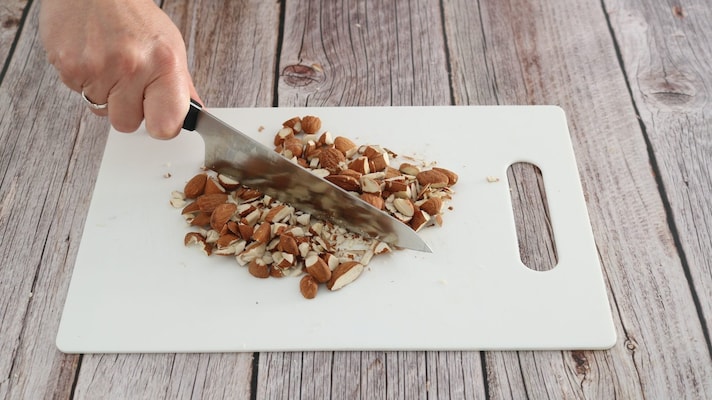
Processing almonds is a more delicate step than it seems: chopping them breaks down their structure and gradually releases oil; it only takes a few extra seconds to go from a dry grain to a paste. A common mistake is to prepare a cake or cookie base and end up with a heavier mixture than expected because the almonds have been overworked. The dough loses its lightness and becomes more compact. Conversely, chopping too coarsely creates distribution problems: in a soft cake, for example, you may have drier areas and denser ones because the almonds are not evenly incorporated.
6. Using Them Without Balancing the Liquids
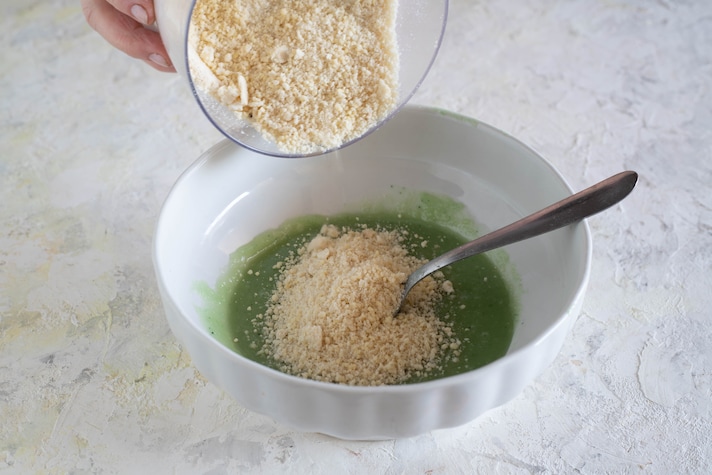
Adding almonds alters the moisture balance of the dough. Despite being rich in fat, they don't add water and tend to reduce the dough's ability to retain moisture. In practical terms, this translates into greater evaporation during baking and a drier final texture. The problem is especially evident in gluten-free recipes, where the structure is already more fragile. To compensate, simply increasing the liquid content isn't enough: it's necessary to work on the dough's ability to retain water, for example through hygroscopic ingredients —i.e., products that retain moisture in the dough, such as honey, inverted sugar, or syrups —or a higher protein content. It's a delicate balance that requires precision.
A very common case is that of cakes: adding almond flour without slightly increasing the liquid content leads to a crumb that crumbles when cut or is dry the next day. This is a common mistake in recipes "adapted" on the fly. Conversely, in creams or sauces, an excess of almonds compared to the liquid content produces consistencies that are too dense. A cream soup, for example, can become almost pasty instead of fluid, losing its balance.
7. Thinking They're Only "For Dessert"
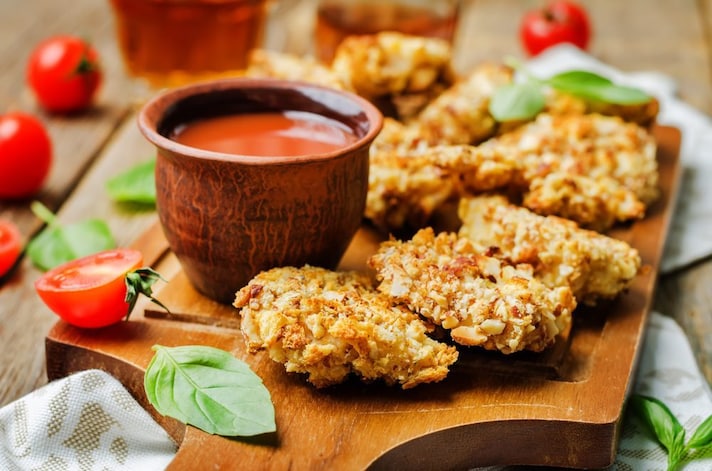
Almonds are often associated with pastry making, but limiting them to this context means using them only partially. From a technical standpoint, they're also an interesting ingredient in savory dishes because they combine fats and proteins, contributing both to the structure and the perception of creaminess. A simple example is pesto: using almonds instead of pine nuts gives a fuller texture and a slightly sweeter flavor. It works well, but requires adjustment — more acidity or more cheese —to avoid the result being flat or overly rounded. In cream soups, however, a small amount of blended almonds can replace the cream, adding creaminess without weighing it down with dairy. This technique is especially useful in plant-based preparations, but it needs to be used sparingly: if you use too much, the consistency becomes pasty and the almond flavor tends to overpower the other ingredients.
Another area where they work well is in breading: ground almonds instead of breadcrumbs give a more irregular crunch and a richer flavor, but they require attention during cooking: they tend to brown more quickly and can burn before the inside is done.
8. Not Considering Ingredients' Combinations
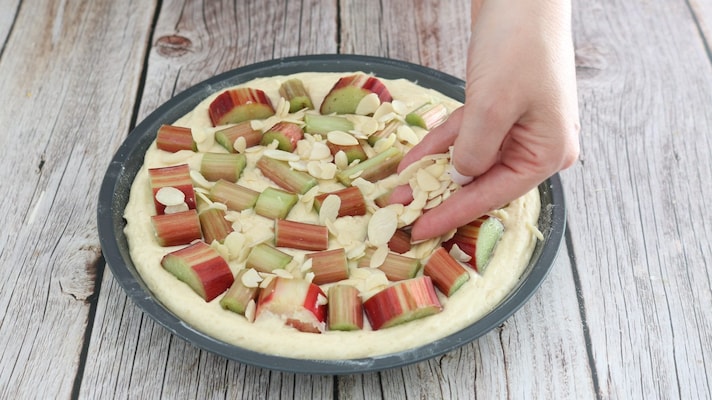
Almonds tend to make the flavor more rounded, but also less dynamic if not balanced. Their fatty and slightly sweet component softens the contrasts: this is an advantage, but it can become a limitation if a balance is not created around it.
The most obvious example is in desserts: an almond cake without an acidic component —such as citrus zest or juice, yogurt, or even a slightly tart jam—is often flat, with a uniform flavor that quickly becomes tiresome. Simply adding a fresh note can completely change the perception, making the flavor more defined. In savory dishes, the principle is the same: an almond-based sauce, if not balanced, tends to be too soft and lack character. This is what happens, for example, in some creams or pestos: without a boost of acidity (lemon, vinegar) or savory flavor (aged cheeses, anchovies), the result remains indistinct.
Spices also play an important role: ingredients such as cinnamon, cardamom or saffron work well with almonds precisely because they introduce a more volatile aromatic component, which lightens the perception of fat and adds complexity.

