Fortunately, it's now widely accepted that water is a precious resource: yet, in the U.S., we still waste a lot of it, in cooking and beyond. The issue of the water footprint —following recent water crises in our country and beyond—is central: it's a metric that identifies the quantity and volume of water used by humans in relation to the food chain, waste production, and disposal. In the United States, the most widely cited federal estimate comes from the EPA, which says the average American uses about 82 gallons of water at home each day — roughly 310 liters per person. It’s a striking figure, one that underscores not only the environmental pressure linked to household water use, but also the uneven access and affordability issues that shape water consumption across the country.
How can you save water at home, especially in the kitchen? Here are eight tips to keep in mind to reduce water waste while cooking —and beyond—and keep costs and environmental damage under control: from aerated faucets to reusing the water used to cook pasta, potatoes, and rice, to small everyday tricks.
1. Pay Attention to The Gaskets

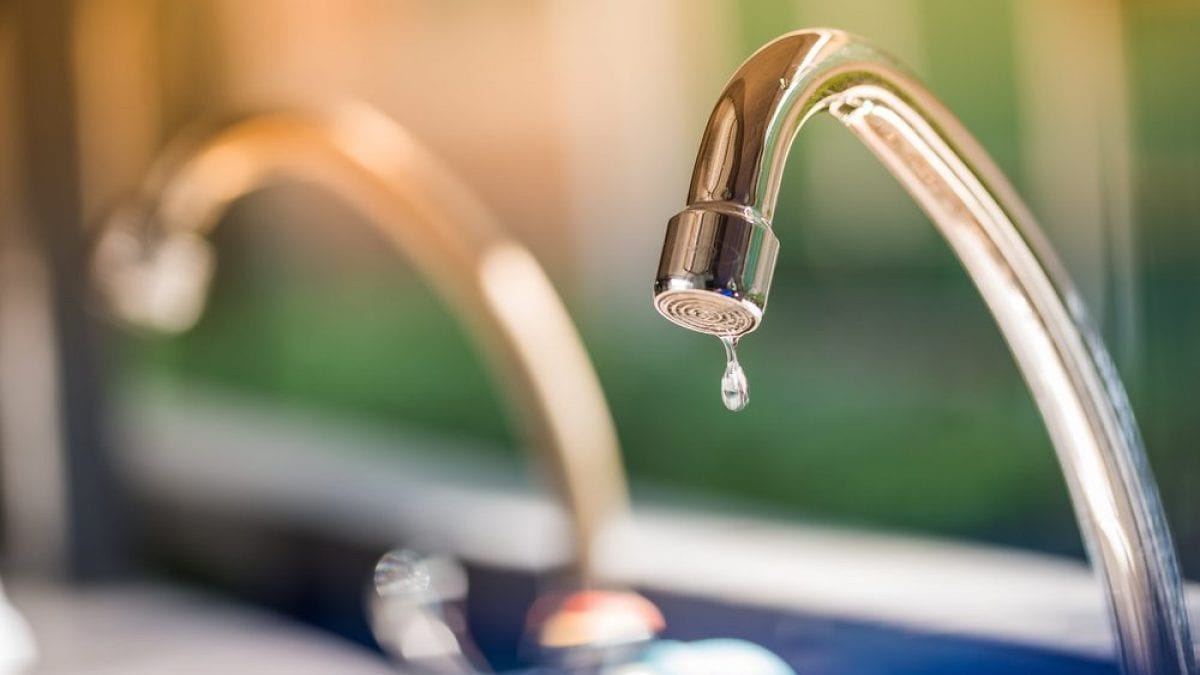
Regular faucet maintenance is the best way to ensure you avoid leaks and unnecessary waste. If your sink is leaking, don't wait and call a plumber right away, or replace the gasket yourself: both the environment and your wallet will benefit. If you prefer, you can also install aerated faucets: these are faucets that can be installed on bathroom fixtures and allow you to use less water under the same conditions. How does it work? It releases a quantity of air along with the water, which—while not reducing the pressure or flow rate—allows you to use less water.
2. Don't Wash Food Under Running Water

When washing products such as fruit and vegetables, to save water, you can wash them in a bowl with bicarbonate of soda, avoiding keeping the tap open for the entire wash.
3. Don't Thaw Under Water

Never thaw food under running water; it's wrong for several reasons: the first is economic, of course, because this wastes a large amount of water. The second, but not least, is health: to thaw food properly, in fact, you must never interrupt the cold chain, otherwise you risk food poisoning. Place the food in the refrigerator first and only then can you leave it out in the open air for a few minutes before cooking it: but you should definitely never hold it under running water.
4. Use Cold Water While You Wait for It to Heat Up

If you have opened the tap to heat the water, in the meantime you can use the cold water: to wash something, to put it in the kettle, using it to fill the coffee machine.
5. Use the Dishwasher Wisely

Using the dishwasher saves 50% of water compared to washing dishes by hand. The problem is how much water is wasted rinsing dishes under running water: if you're worried about clogging your dishwasher's filter, you can remove food residue with a paper towel, perhaps reusing it for several dishes. Using the dishwasher wisely also means considering the time slot (if you have a time slot subscription) and only running it when it's fully loaded.
6. Use The Correct Amount of Water for Your Recipes

This is especially true for pasta, but not only: when we boil something, we often use more water than is actually needed. For pasta, the average ratio is one liter of water for every 100 grams of pasta. However, quality pastas contain less starch and can be cooked in as little as 700-800 ml; this way, you can save 20-30% of water per cooking time. Furthermore, by cooking pasta in less water, the starch will be more concentrated, allowing the pasta and sauce to bind together more quickly and effectively.
7. Reuse the Cooking Water From Potatoes, Pasta and Rice

Not everyone knows that cooking liquids are largely reusable. Pasta water, rice water, and even potato water can be used for dough, to soak legumes, for steaming, and so on.
8. Always Turn Off The Tap When You Leave

To avoid breakdowns and leaks, even when you're away for a few days, remember to turn off the main water valve: this will save you money in the event of small, invisible leaks and avoid finding your house flooded upon your return in the event of a breakdown.
;Resize,width=767;)
