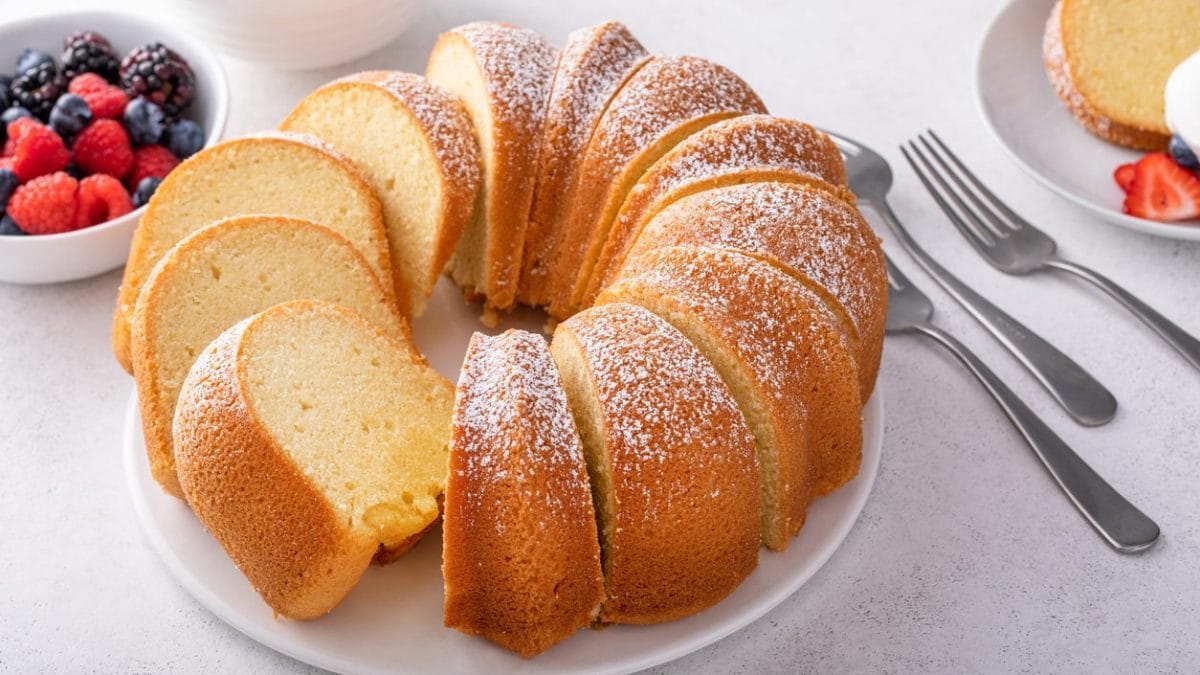
Not just a breakfast or snack, yogurt is an ingredient used in a variety of dishes, from sauces and salad dressings to desserts and cake mixes. In the latter case, yogurt plays a key role in many homemade recipes because it adds softness and moisture, as well as having a high-quality nutritional profile and a source of high-biological-value proteins, vitamins, and minerals. However, you may not have a container at home and need to replace it. Let's see what alternatives there are.
Why is Yogurt Used in Desserts?
We could say that baked goods and yogurt make a good pair: using the most famous dairy product to prepare cakes, donuts, muffins, and loaf cakes has several strengths, first and foremost that of making doughs softer, more hydrated, and lighter, reducing the risk of drying out during cooking and keeping them soft longer. Furthermore, yogurt, especially plain white yogurt, also contains an acidic component that should not be underestimated, which can make leavening more effective, interacting with instant yeast or simple baking soda, both widely used in this type of home baking. We know, however, that not all yogurts are the same: flavored ones alter the final flavor and often contain more sugar, and it is best to use them in recipes that reflect the need to emphasize the original flavor (for example, that of fruit), while low-fat variants could make the structure less stable. Full-fat cow's yogurt and full-fat Greek yogurt, which is creamier, are ideal for making dough.
As long as yogurt isn't the star of the show, but its use is purely functional, giving the dough the characteristics we've just seen, it can be replaced with other ingredients that achieve the same goal. In our selection, we've first included alternatives commonly found at home, followed by others available at the grocery store in case of a last-minute emergency. We've also given you the correct quantities, starting with the standard size of a classic yogurt pot, or 125 grams.
1. Seed Oil
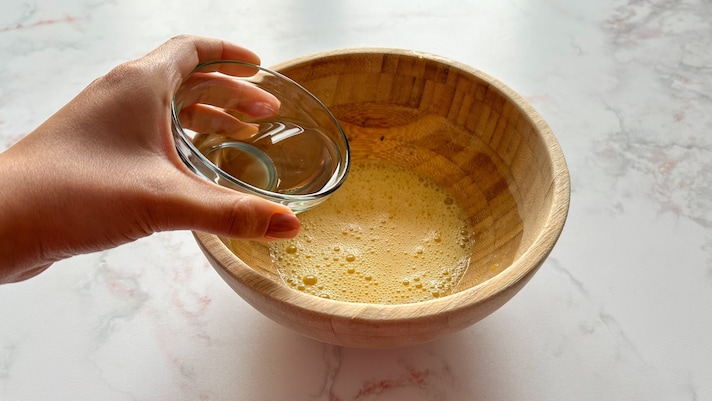
Although they are two different products, starting from their origin, since oil is a vegetable fat, it is a very good choice, because it gives the dough the same softness and moisture without weighing it down, and you only need the same amount (125 ml of oil for 125g of yogurt). Seed oil (such as sunflower oil) is preferable for desserts, as its more delicate aroma means it doesn't affect the flavor of the recipe compared to extra virgin olive oil. Excellent for vegan variations or if there are intolerances or allergies.
2. Butter
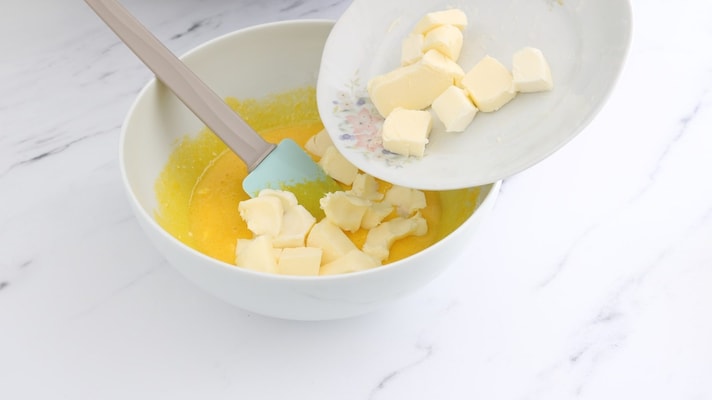
Butter is usually always present in the refrigerator, but in this case it is an animal fat that contains a higher percentage of lipids than yogurt and is more caloric. Therefore, it is not suitable as a substitute for recipes designed to be light, but it is still a good option because it makes the dough soft and fragrant: for 125g of yogurt, 100g of butter is enough.
3. Milk
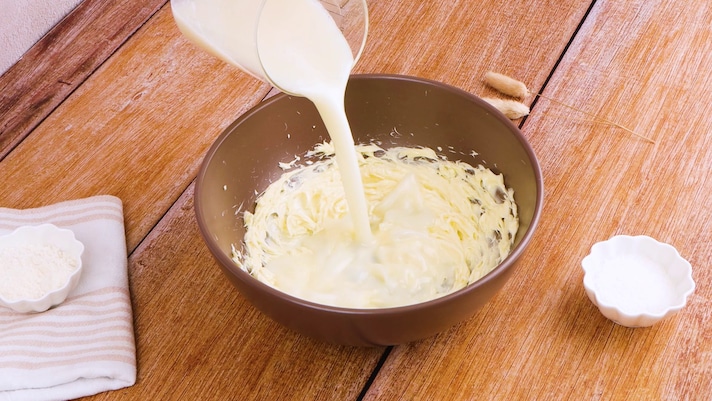
Instead of 125 ml of yogurt, you can also opt for 100 ml of milk, reducing the amount due to the more liquid consistency. The advice is to add the milk to the mixture a little at a time, so as to gradually check its structure. Regarding the types, in addition to cow's milk, you can decide to use a plant-based drink: the most similar in nutritional composition, texture, and flavor is soy milk, while the others, from almond to oat, including coconut, could be slightly more watery and sweet. If you like them, don't give up immediately, but try them out.
4. Ricotta
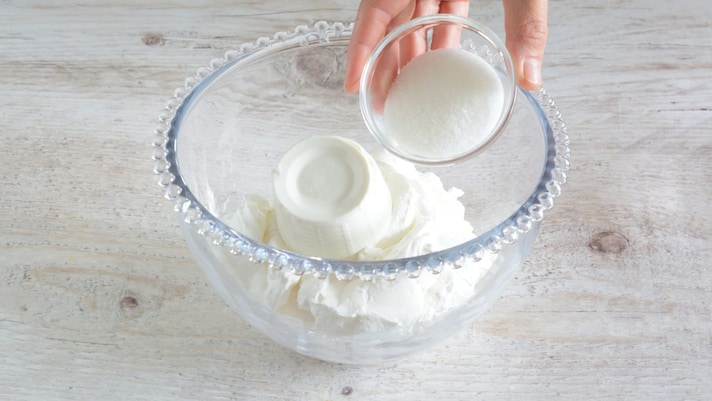
Ricotta is made from whey (it can also be made at home) and is one of the best alternatives because it's very easy to incorporate with other ingredients due to its dense yet easy-to-work consistency. To ensure there are no lumps, it's best to first sieve it, making it silky, and then add it to the rest of the mixture. Its creaminess becomes even closer to that of yogurt by using 80 grams mixed with a couple of tablespoons of milk, which softens it.
5. Mascarpone
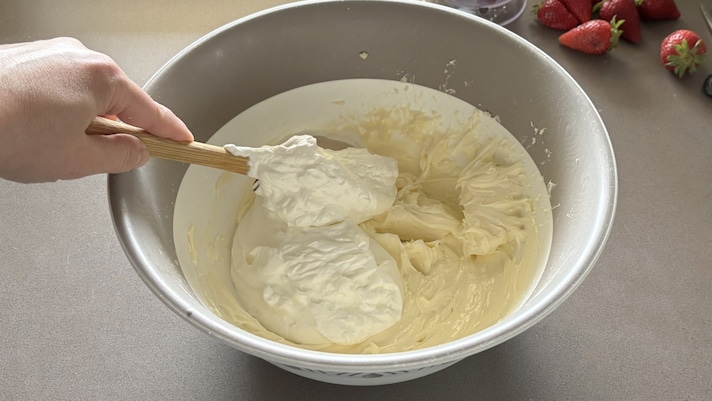
It's made by acidifying cream with citric acid and is one of those cheeses often used in desserts (including baked goods) because it supports the dough and adds body. Mascarpone is fattier than yogurt (and even ricotta), giving the cake a softer texture and preventing it from drying out: this is why it's perfect for ring cakes for breakfast and as a snack. How much should you use? 70-80 grams instead of 125 grams of yogurt, always along with two tablespoons of milk, which makes it less dense. You don't need to add them if you're using Greek yogurt.
6. Cream Cheese
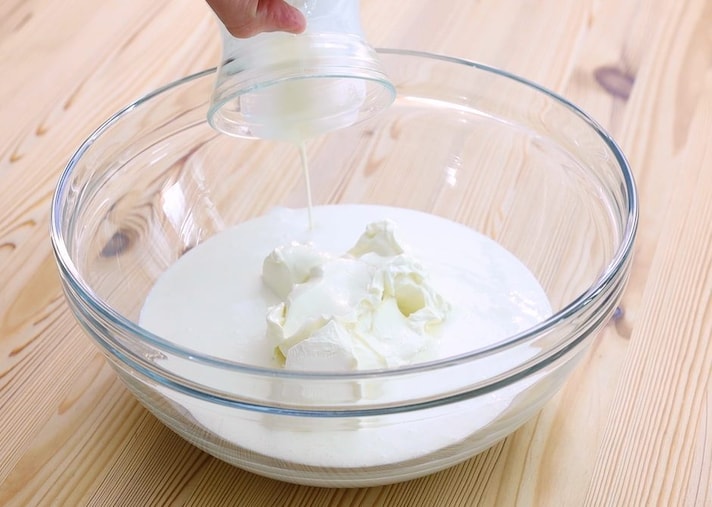
Smooth and with a slightly tart flavor, a creamy cheese like Philadelphia can come to your rescue, even in the light varieties that make the dessert lower in calories than the one made with mascarpone. Use 80g of cheese to replace 125g of Greek yogurt and add 2 tablespoons of milk for regular yogurt.
7. Cream
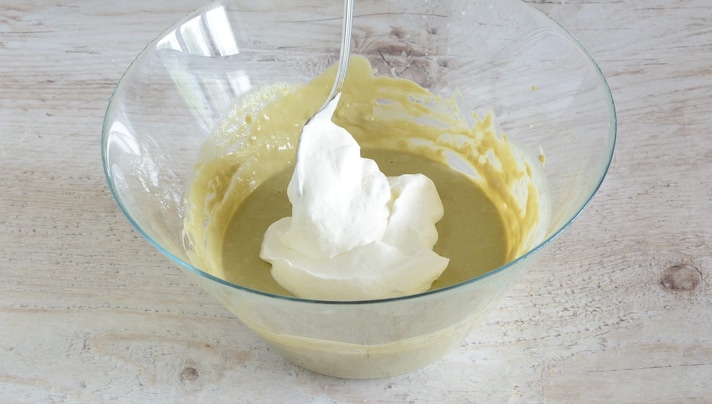
Whether you're using fresh cream for desserts or cooking cream, both options work: although they're more liquid, you don't need to adjust the quantities, which correspond to the 125 grams of the yogurt pot. As for fresh cream, you can decide to semi-whip it, to give it a thicker consistency, while cooking cream tends to be more viscous: you just need to pay attention to the mixture when combining it with the dry ingredients.
8. Sour Cream
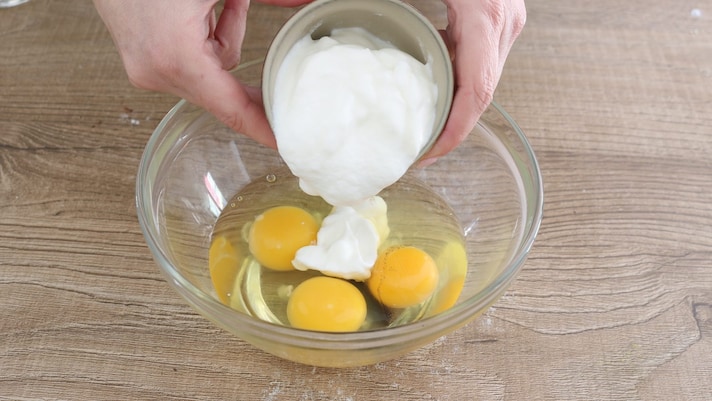
Similar to French crème fraîche, sour cream is an increasingly popular ingredient and can even be made at home. It's a preparation that ferments cream through the action of Lactobacillus, the same beneficial bacteria found in yogurt, but which here give it a more acidic taste. Trying it as a practical substitute is simple, since the quantity is the same as a jar of yogurt.
9. Kefir
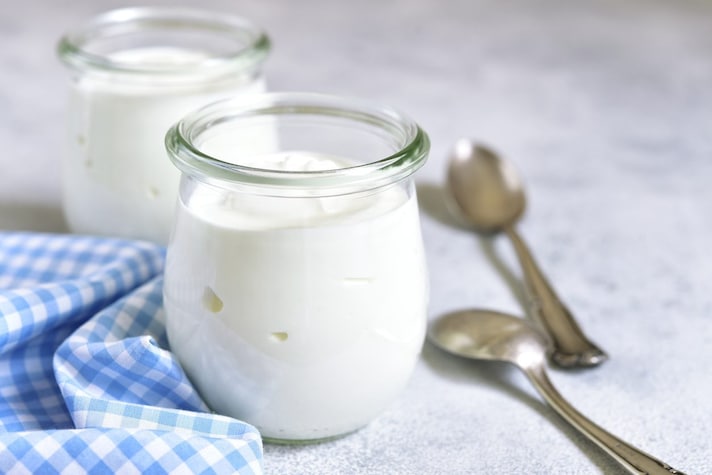
We conclude with a fermented product made from both water and milk: the latter is what interests us, as it resembles a more liquid and lighter yogurt. Known for being healthy and friendly to the gut, thanks to the probiotics it contains, which aid digestion and fight inflammation, it has a tart flavor that gives dough a pleasant hint of freshness. You can replace 125g of yogurt with 100 ml of kefir.

