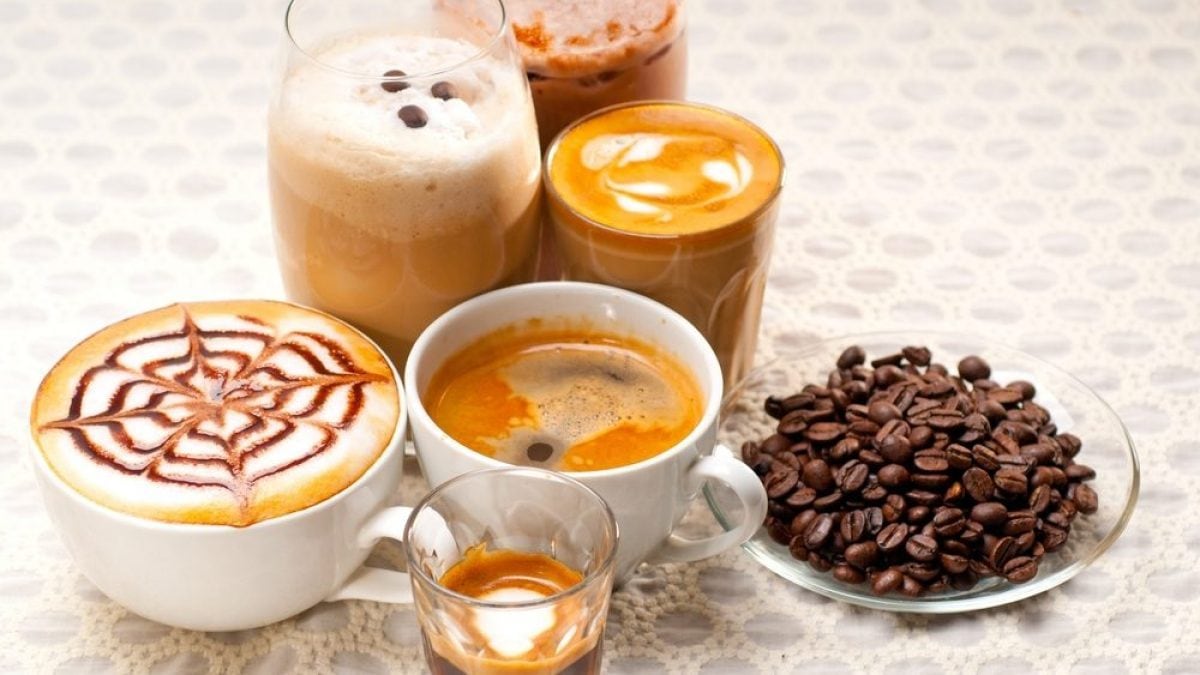
Italy, plus coffee, equals espresso. This drink has become the symbol of an entire culture, with a long history dating back to 1884 with the invention of the patented machine by Angelo Moriondo. It is so famous and iconic that it has become synonymous with Italy itself and its culture. And when you say espresso, of course, you can't help but think of Neapolitan espresso, the coffee par excellence, beloved for its enveloping flavor and unmistakable aroma. But in reality, Italians are so attached to their coffee that they have created dozens of variations over time: there isn't just one espresso, but many, every region, or almost every region, boasts its own unique version. Because coffee isn't just a drink, but a ritual, a moment of relaxation, a tradition, or a true philosophy of life that everyone embraces in their own way. How many local versions of espresso are there? Establishing a precise number is practically impossible, but here is a selection of the most popular ones that you must try at least once.
1. Neapolitan Espresso (Campania)
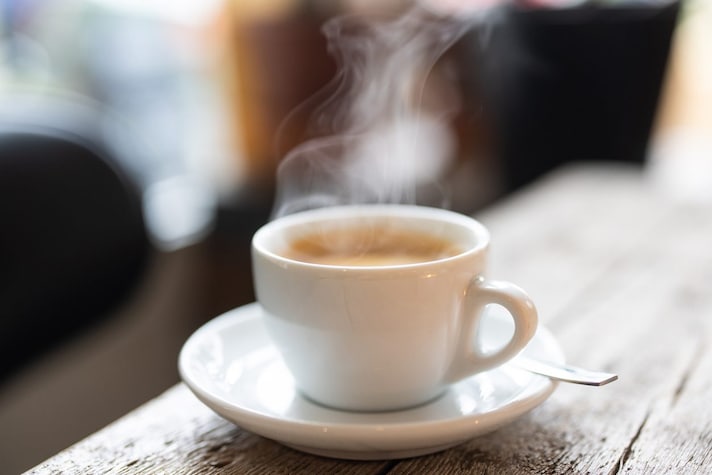
We can't talk about espresso without mentioning Naples: the drink and the city are inextricably linked, so classic espresso is a must-have on our list, especially since tasting it in Naples is a completely different experience, a tradition, a true ritual. Many Neapolitans say it's the water from the Serino springs that gives the drink its rich flavor, but what truly defines it is the use of a strong blend, with beans roasted at high temperatures and for a long time, which gives the espresso more body, facilitating the formation of the much-loved cream. Neapolitan espresso is strictly drunk hot, in a cup so hot that baristas often recommend creating a mustache of coffee on the rim of the cup to mitigate the high temperature. But first, it's essential to prepare yourself with a glass of water, which in this case serves to cleanse the mouth and prepare the palate for the explosion of flavor that is Neapolitan espresso.
2. Bicerin (Piedmont)
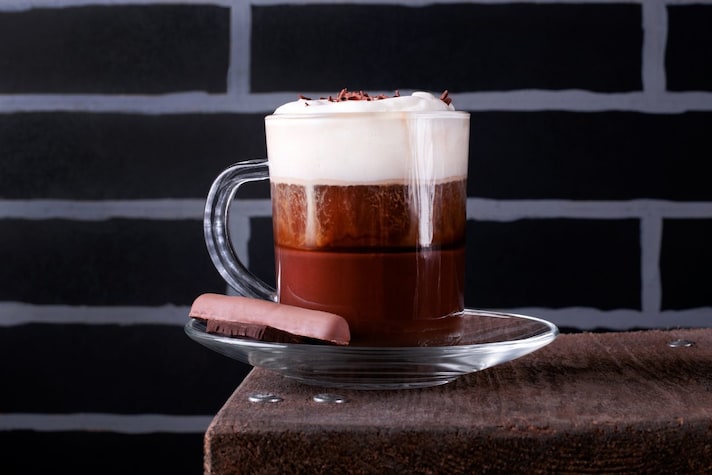
The Bicerin is not just a variant of espresso but a true piece of history, a symbol of Turin that is still preserved today by the historic Al Bicerin shop (open since 1763), opposite the Santuario della Consolata. The key ingredients of the bicerin are freshly brewed espresso coffee, homemade chocolate, and cream (although some prefer to use whipped cream, the original version calls for cream), all served in layers not in a cup, but in glasses or goblets that allow you to admire the nuances created by the different densities and colors of the ingredients. With its irresistible combination of chocolate and coffee, the bicerin has always been close to the hearts of the people of Turin and has won over, over the course of its long history, illustrious figures such as Camillo Benso, Count of Cavour, and the writer Alexandre Dumas. In 2001, the bicerin was officially recognized as a "traditional Piedmontese drink" with its publication in the official bulletin of the Piedmont region.
3. Leccese Coffee (Puglia)
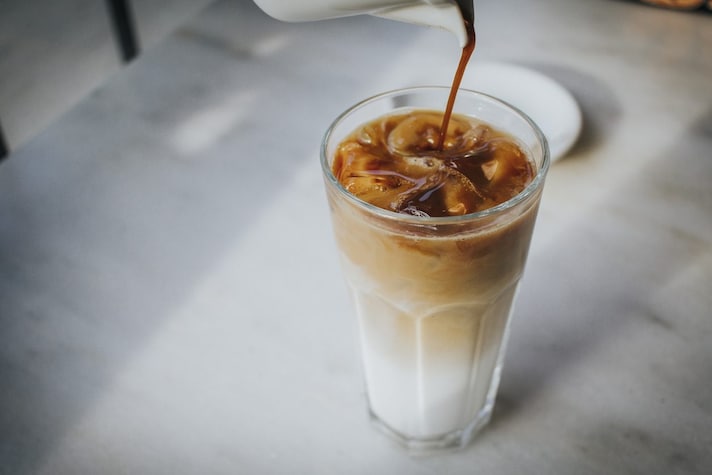
Leccese Coffee is to Puglia what the bicerin is to Piedmont: a local variant of espresso, in this case originating in Lecce, that has become a symbol of the entire region, and especially of the Salento area. It's the quintessential summer drink in Puglia, inspired, according to some sources, by a caffè con ghiaccio (ice coffee) popular in Valencia in the early 17th century. It then reached Otranto through trade in an early variant, which, arriving in Lecce, became the drink we know today. Caffè Leccese is made with espresso and almond milk and served with plenty of ice cubes to chill it; the rule is to always stir it before drinking, so that the two components blend perfectly.
4. Creamed Coffee (Sicily)
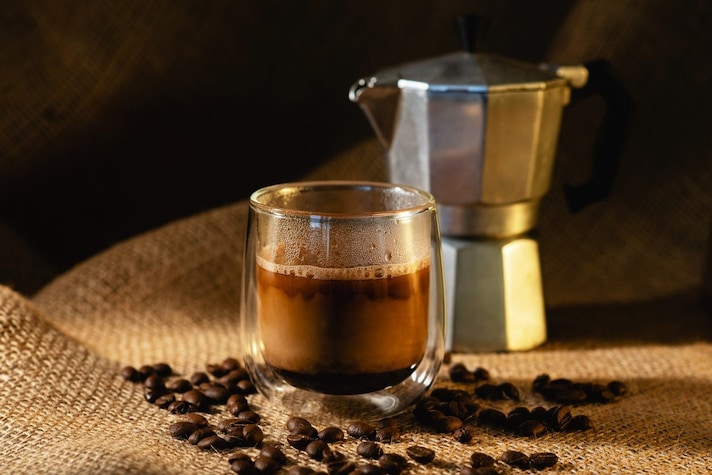
Many confuse it with Lecce coffee, and in fact, Sicilian creamed coffee (caffè ammantecato) shares with the Apulian specialty the two ingredients that make up both drinks: espresso and almond milk. The difference is that caffè ammantecato is drunk hot and, more importantly, the almond milk is used directly in the moka pot instead of water, not added to the brewed coffee. This specialty, typical of the city of Trapani and its surroundings, is thus a delicious drink, thicker than classic coffee and with a much more aromatic flavor.
5. Calabrese Coffee (Calabria)
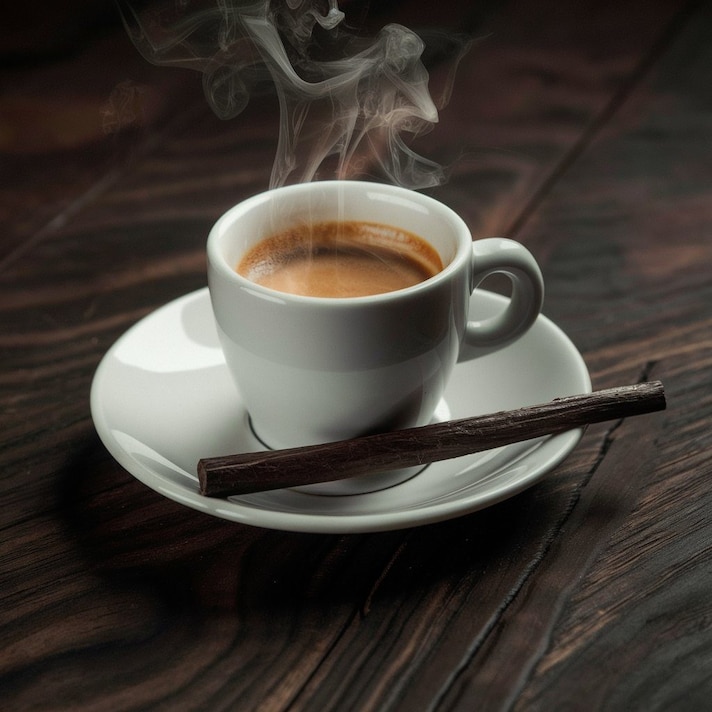
Calabrese coffee wins the award for the coffee with the most intense and distinctive flavor on the entire list: along with espresso, the recipe calls for the addition of a splash of brandy heated with a spoonful of brown sugar and a handful of crushed licorice. This is no surprise, given that licorice is known as "Calabria's black gold," produced primarily on the Ionian coast of Calabria and renowned as the finest in the world. Calabrian coffee should be drunk piping hot to fully appreciate its intense and enveloping flavors, and the secret to achieving the perfect result is the perfect balance of all its ingredients.
6. Livorno-Style Coffee Punch (Tuscany)
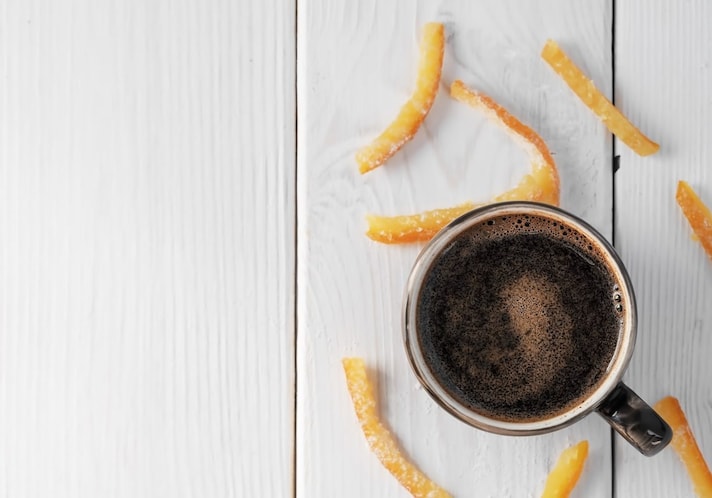
You've surely heard of English punch, the hot drink made with tea, sugar, cinnamon, lemon, and brandy or rum? There's an all-Italian variation that involves espresso: it's called ponce, a Livorno specialty that combines alcohol, spices, and coffee in a truly unique way. Always considered more than a drink, but rather a true remedy for seasonal ailments, punch originated between the 17th and 18th centuries thanks to the large British community living in Livorno. However, the Livorno people made it more their own, replacing the tea with espresso and the alcohol with "rumme," a local invention made of alcohol, sugar, and dark caramel, sometimes flavored with rum essence. The modern version of Livorno punch, established since the 1950s, features the addition of lemon zest, which lends a pleasant citrus note to the drink.
7. Valdostane Coffee (Aosta Valley)
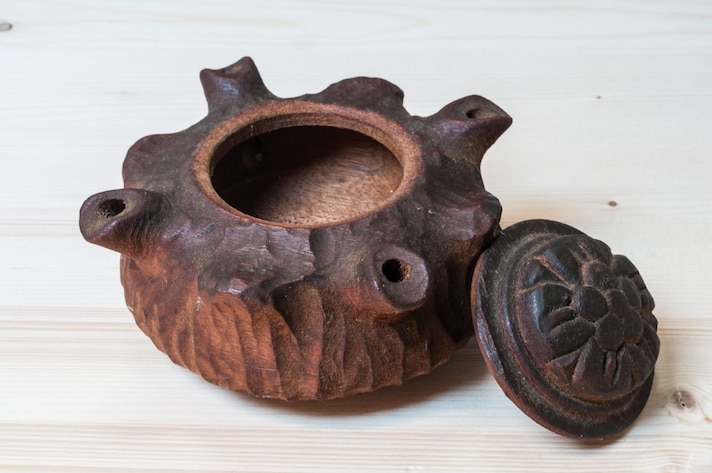
In the Aosta Valley, coffee time becomes a collective ritual, a convivial moment to be enjoyed in company. At the heart of this sharing is a characteristic wooden container called a "grolla," or more commonly, a "friendship cup." This is where Valle d'Aosta coffee is prepared: hot espresso is combined with grappa, genepì (a typical local juniper-based liqueur), sugar, lemon zest, cloves, and juniper, blended with the notes of the walnut or maple wood of the container. The drink is consumed after a mixture of coffee and grappa has been burned, caramelizing the sugar. But the peculiarities don't end there, because the grolla has many different spouts so that everyone can pass the container around and drink directly from it, each from a different spout.
8. Paduan Coffee (Veneto)
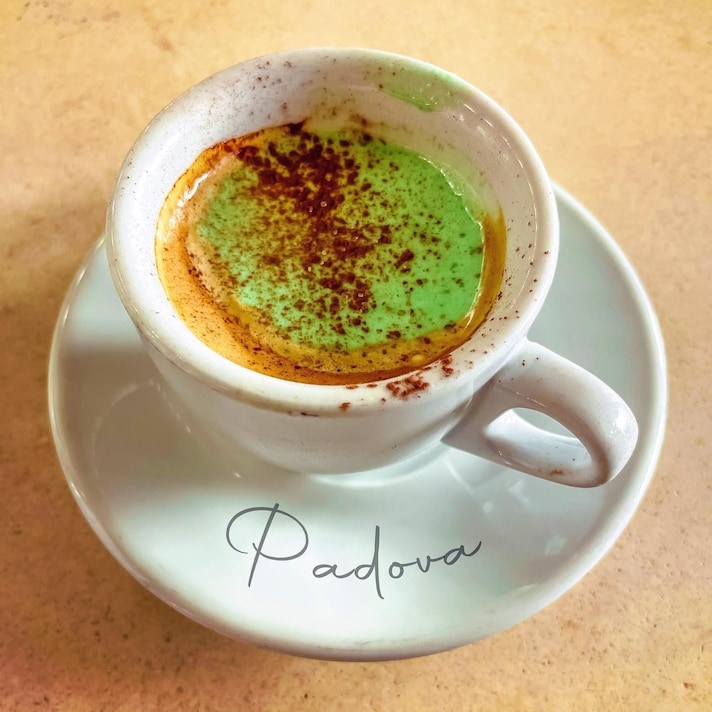
Paduan coffee was born in the 19th century on the counter of Caffè Pedrocchi, where it was created by Antonio Pedrocchi himself. Indeed, it's often called after his birthplace, a favorite haunt of Venetian intellectuals of the time (among the most frequent was Stendhal, to whom a unique zabaglione is dedicated). What does it consist of? A blend of mint syrup, milk, and cream poured over espresso, dusted with cocoa powder and a few mint leaves to taste. Its most distinctive feature is the mint syrup, which lends a unique freshness to the drink, but it's also the cream that makes it unique, as it's whipped together with milk and syrup in a shaker to create a frothy mixture that can be poured directly over hot espresso—strictly unsweetened, as tradition dictates—in a cappuccino cup.
9. Moretta di Fano Coffee (Marche)
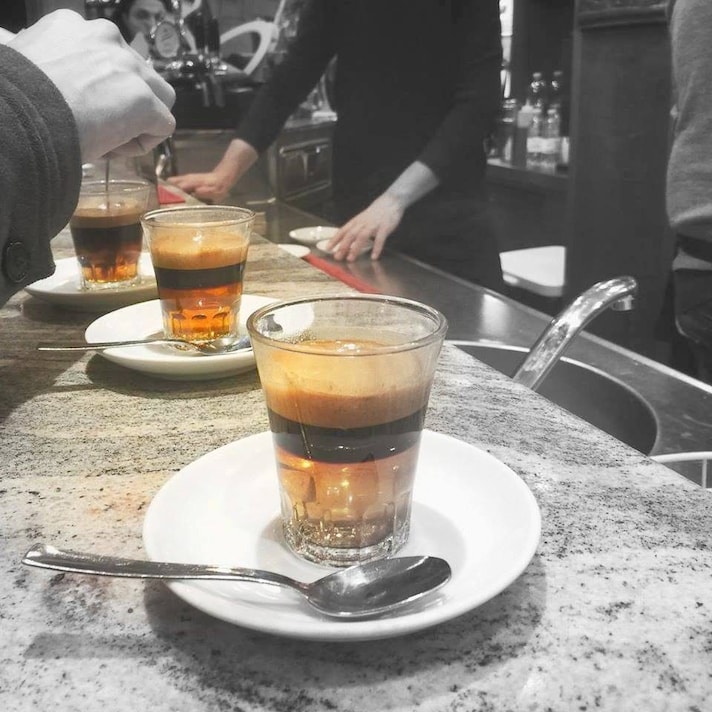
Halfway between a caffè corretto (a strong espresso) and a cocktail, the Moretta di Fano was created in the 19th century by fishermen in the Marche region, likely to combat the cold and recycle the leftovers from alcohol bottles. Over time, specific ingredients were chosen, which still form the basis of the Moretta today: anise, rum, and cognac with lemon zest, heated together in equal parts in a saucepan and then added to the coffee. It is served in transparent cups, so the characteristic layering of this unique drink with its enveloping aroma and flavor can be clearly seen.
;Resize,width=767;)
