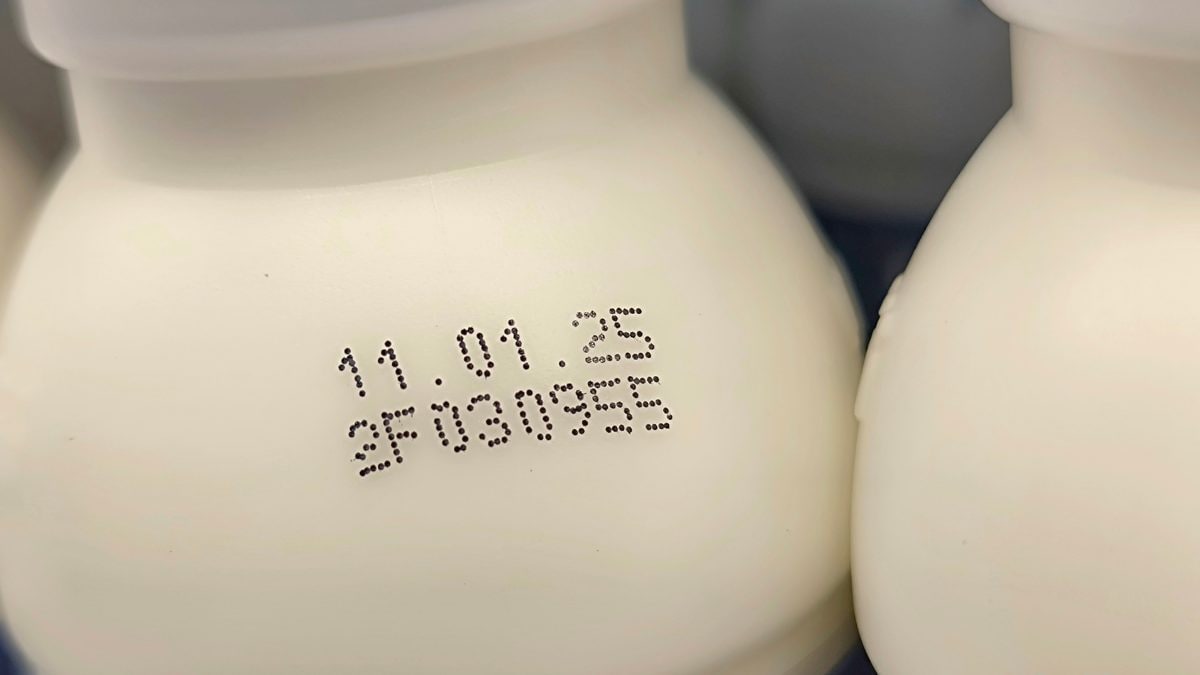
Most people have probably taken a sip of milk or another drink that was a few days past its expiration date — and usually, nothing happens. So do expiration dates actually mean anything? Many consumers find them confusing, says Don Schaffner, a professor of food science at Rutgers University. As he has explained, labels like expiration date, best by, and best before are used inconsistently, and there’s very little standardization around what they actually signal.
In most cases, Schaffner says, these dates are about quality rather than safety. They’re often set based on state regulations or industry guidelines, not always on the most up-to-date science. One well-known example is milk: the same batch can legally carry different expiration dates depending on whether it’s sold in New Jersey or New York, even though the product itself hasn’t changed. That said, food scientists agree that some beverages are far riskier than others once they’re past their date — and these are the ones you shouldn’t gamble on.
1. Raw or Unpasteurized Drinks
Anything labeled raw or unpasteurized deserves extra caution. These drinks can harbor harmful bacteria such as E. coli, Salmonella, and Listeria, even when refrigerated, says Kathleen Glass, associate director of the Food Research Institute at the University of Wisconsin–Madison.
Pasteurization works by heating beverages to temperatures that kill these pathogens. Traditional low-temperature pasteurization heated milk to 145°F for 30 minutes, while modern high-temperature, short-time methods heat it to 161°F for 15 seconds, followed by rapid cooling. Both dramatically reduce risk — which is why unpasteurized drinks are much less forgiving past their date.
2. Raw Milk and Raw Milk–Based Drinks

Raw milk itself — along with smoothies or drinks made from it — is particularly risky after its expiration date. Because it lacks a pasteurization “kill step,” bacteria can multiply quickly, even if the milk still smells or tastes fine.
3. Fresh Vegetable Juices (No Fruit Added)

Unlike most fruit juices, 100% vegetable juices tend to be low in acid. That makes them a more hospitable environment for bacterial growth once opened or past their date. Green juices made from kale, spinach, celery, or cucumber fall into this category and should not be consumed if expired.
4. Cold-Pressed or High-Pressure Processed (HPP) Juices
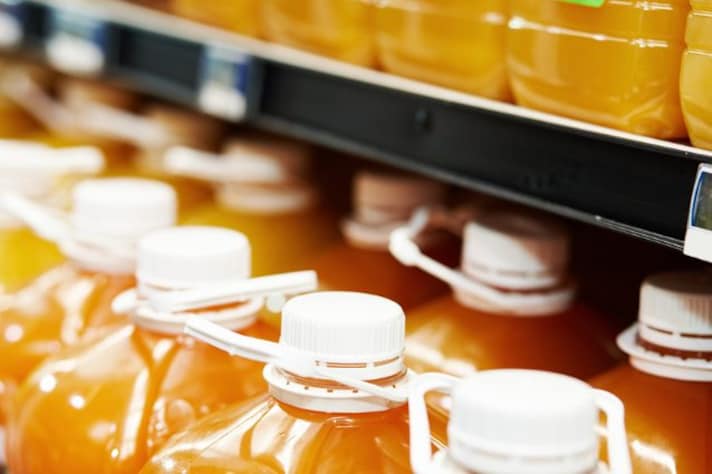
Cold pasteurization methods, such as high-pressure processing, extend shelf life without heat by applying extreme pressure to bottled drinks. While effective, HPP is less robust than thermal pasteurization, meaning these juices can spoil faster once past their expiration date or after opening.
5. Dairy-Based Drinks

This includes drinkable yogurt, kefir, protein shakes with dairy, and cream-based beverages. Even when pasteurized, these products contain proteins and sugars that bacteria love. If they’re expired — especially if they’ve been opened — they’re best avoided.
6. Opened Refrigerated Beverages

Once opened, expiration dates become far less reliable. Bacteria can be introduced through contact with hands, cups, or air. Drinks like iced coffee, flavored teas, or refrigerated lemonades should be treated cautiously after opening, regardless of the printed date.
7. Homemade or Freshly Prepared Drinks

Anything made at home — fresh juices, nut milks, aguas frescas, or smoothies — lacks commercial safety controls and preservatives. These should be consumed within a few days and never relied on past their intended window.
8. Improperly Stored Beverages

Storage matters as much as the date. Glass recommends keeping refrigerators between 38°F and 40°F. At higher temperatures, bacteria multiply much faster. Drinks that were left out, repeatedly warmed, or stored in an overfilled or poorly cooled fridge spoil more quickly.
9. Shelf-Stable Drinks After Opening

Shelf-stable juices, broths, or plant-based milks are safe unopened, but once opened, they behave like refrigerated products. Past-date consumption becomes risky much sooner than people expect.
A Note on One Common Exception
Unpasteurized apple cider is often cited as a rare exception. As it ages, it naturally ferments, becoming more acidic and eventually alcoholic — conditions that are hostile to E. coli. Still, food safety experts don’t recommend relying on fermentation as a safety strategy at home.
;Resize,width=767;)
