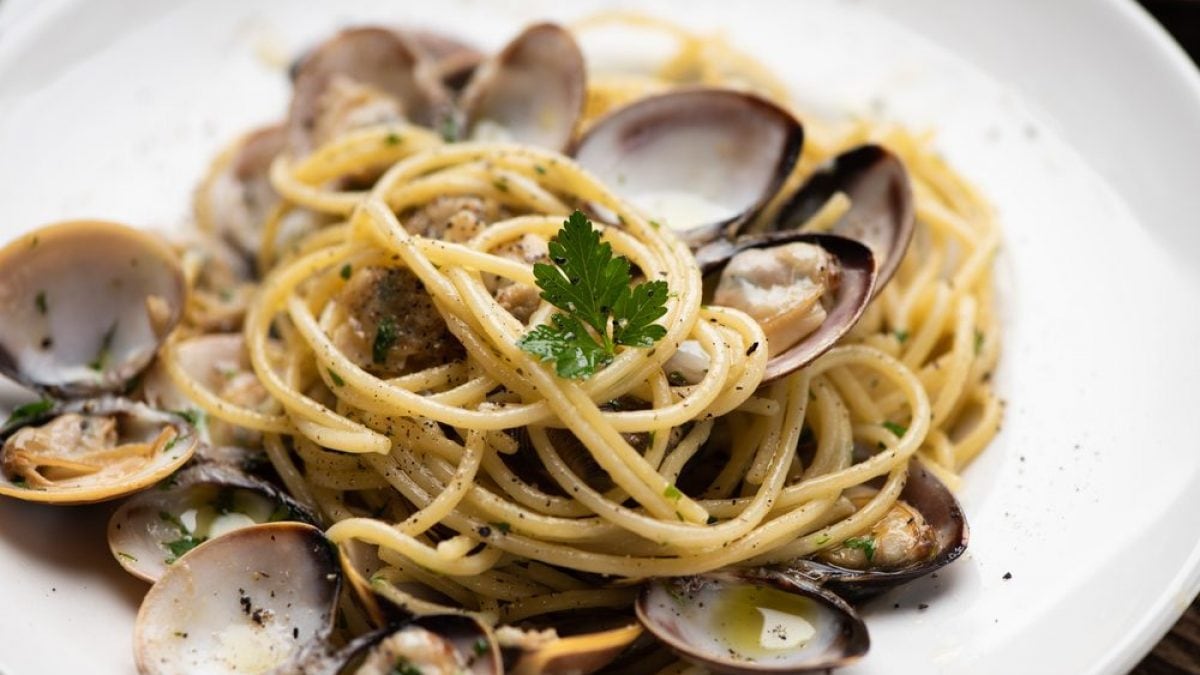
Just a few ingredients for a dish synonymous with celebrations and special occasions. We're talking about spaghetti with clams, a great classic of Italian cuisine enjoyed in the summer or on Christmas Eve, as is traditional in the South, particularly in Naples and its province. The recipe isn't particularly difficult to make, yet there are many variables that can affect the result, from a lack of seafood flavor to a dry sauce, or even gummy or sandy mollusks. Below, we've collected the nine most common mistakes with tips on how to avoid them, serving this specialty to perfection, including variations.
1. Choosing the Wrong Pasta Shape

Let's start with a simple mistake to avoid, since the name itself suggests the ideal type of pasta for this recipe. Long pasta pairs perfectly with the light, delicate clam sauce: opt for medium-sized spaghetti, preferably bronze-drawn to maintain greater porosity. Our suggestion is to avoid spaghettini, which are too thin, and spaghettoni, which are suitable for thicker sauces. A safe alternative? Linguine, a classic shape for refined seafood main dishes.
2. Thinking That All Clams Are The Same

When it comes to pasta with clams, the star of the show is the clam. These are prized mollusks, with meaty flesh and a pleasantly sweet marine flavor. However, those native to the Mediterranean are not so easy to find. Much more common, in fact, are the Philippine clam, an alien species that has found an ideal habitat in our seas. They are still large, but more rustic and less flavorful, with aesthetic differences that make them recognizable from the former. Smaller and more flavorful clams, on the other hand, are the common ones, known as lupini or "poveracce" along the Adriatic coast, an economical alternative that offers great satisfaction.
3. Cleaning the Clams Poorly

Make sure you choose quality raw materials: when you buy them, the clams must be fresh, with the live mollusks enclosed inside their shells. Discard any with broken shells, as you risk finding fragments in your final dish. When you buy them at the fishmonger's, the clams may or may not be pre-purged: if they are pre-purged, you'll need to remove all the sand by soaking them for a few hours in salted water to replicate a marine environment, otherwise they would die in fresh water: calculate 35 grams of salt for every liter of water. The bowl will become cloudy, with the mollusks having released all the impurities, ready to be drained and cooked.
4. Discarding the Cooking Liquid From The Mollusks

To check the freshness of mollusks, the crucial step is to open their shells. The process is simple: once purged, place the clams in a large pan with extra virgin olive oil and garlic, cover with a lid, and cook over high heat for 2-3 minutes. Only those that open are edible; any that remain sealed should not be used. The liquid that forms during cooking will be used to create the sauce, enhancing the salty flavor. Don't throw it away, but strain it through a fine-mesh sieve and set aside.
5. Underestimating Garlic and Parsley

Garlic and parsley are two of the ingredients that make up this recipe, as they add flavor and aroma, but be careful how you use them: you shouldn't overdo it with either, or they tend to overwhelm everything else. Garlic's flavor varies depending on how it's cut: we recommend leaving it unpeeled or in whole cloves, so it's delicately noticeable (and easy to remove). Parsley, on the other hand, should be added only at the end, just before serving, finely chopped in the pan off the heat: you can also use a stalk of parsley to flavor the oil and garlic sauté in which you'll be opening the clams.
6. Wine: Yes or No?

Various recipes call for the addition of wine: pairing it with fish and shellfish is a tried and tested option, as it enhances the flavor of the sea, but it's not mandatory. If you want to add it, remember to choose a dry white wine and use only a small amount, as the alcohol needs to evaporate quickly. The clams shouldn't "swim" in the wine, or they'll overcook and become rubbery.
7. Removing (Or Leaving) All The Shells

Spaghetti with clams is a dish where, beyond flavor, the visual impact is equally important. To showcase the carefully selected and beautifully prepared ingredients, don't shell all the clams, but save a third for garnish: the dish will be rich and inviting. Without shells, it might lose its wow factor, while with too many, it would be bulky and cumbersome to eat.
8. Creating a Loose Dish

Due to the indiscriminate use of the word "carbocrema," both lexically and gastronomically, it seems that all pasta dishes must be creamy. In reality, this isn't the case: pasta with clams doesn't require this type of consistency; what matters is that the ingredients don't become disjointed, resulting in a dry dish. To avoid this, briefly "risottare" the pasta before adding it to the sauce, blending with the reserved clam liquid and, if necessary, a little pasta cooking water. Chef Bruno Barbieri, for example, adds a knob of butter: the result is a glossy, fluid sauce that embraces the spaghetti.
9. Not Considering The Variants

Obviously, we're not talking about a real mistake, but it's important to know that spaghetti with clams can be made in many different ways to suit a variety of occasions. Among the most popular alternatives is the one with tomatoes: in this case, use fresh tomatoes, such as San Marzano, datterino, or cherry tomatoes, chopped at the moment, rather than passata, which weighs down the dish and could give it an overpowering acidity. Another option is with bottarga, which intensifies the seafood flavor: add it off the heat, grated freshly in small amounts before serving. Finally, depending on the season, a summer recipe worth trying is the one with zucchini, which you can blend to create a creamy, velvety texture, or in the winter pair clams and broccoli, sautéed and pureed.
;Resize,width=767;)
