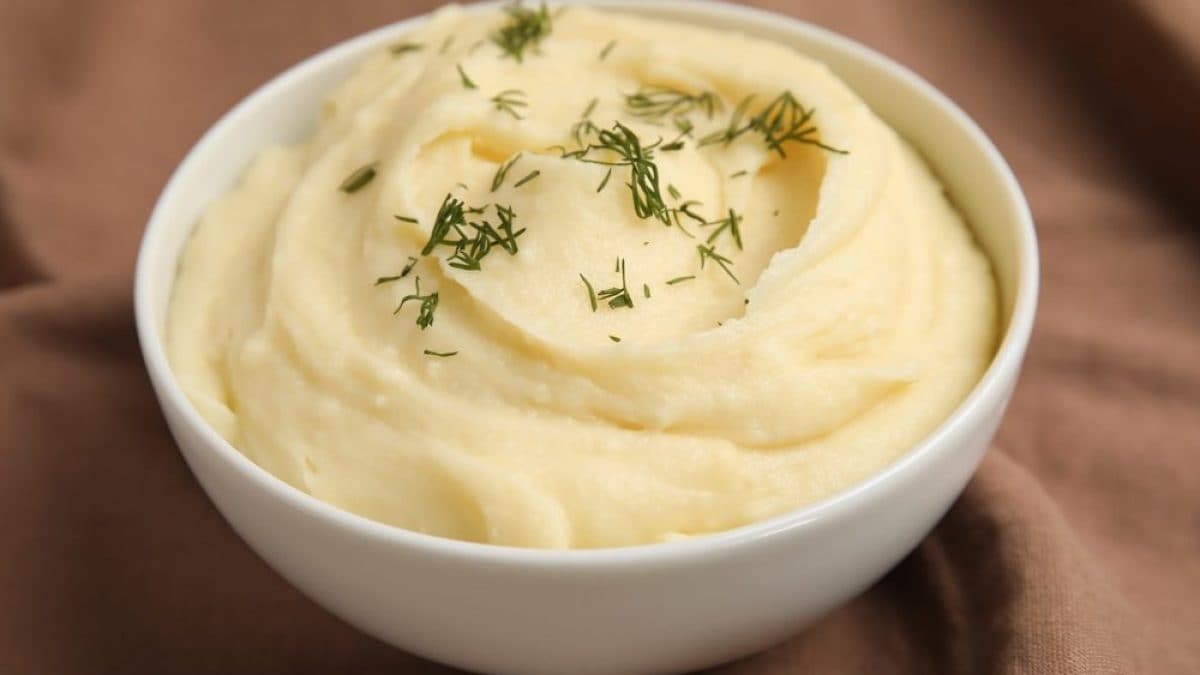
The most famous mashed potatoes in the world are those of the legendary Joël Robuchon, a signature dish for the French chef. Yet when we talk about this creamy dish, made with just three main ingredients— potatoes, milk, and butter —our minds immediately turn to a family side dish, a perfect accompaniment to main courses reminiscent of autumn and winter. A dish beloved by adults and children alike, like all simple, comforting recipes, it hides small pitfalls that lead to major disappointments and questions: why is mashed potatoes sticky or lumpy? The answer lies in some common yet underrated mistakes: we've found 8 (+1), let's look at them together.
1. Not Using The Right Potatoes
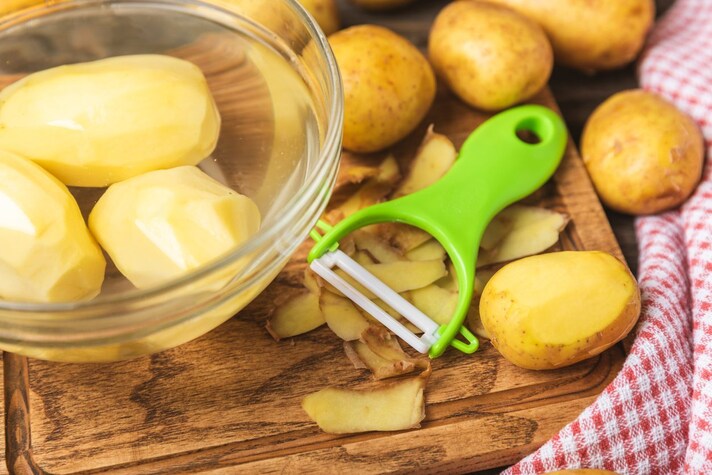
When it comes to recipes that feature potatoes as the main ingredient (see gnocchi), the first mistake to avoid is choosing the right variety at random. What makes the difference, in fact, is the amount of starch the tubers contain, otherwise the mixture will be sticky rather than soft and fluffy. Our advice? Opt for yellow-fleshed potatoes for a silkier, velvety, and lighter result, while opting for white-fleshed potatoes, which have more starch, if you prefer a denser and fuller-bodied dish. A trick? If you can, find them all the same size; they'll cook at the same time.
2. Peeling The Potatoes
Schools of thought are divided here: some prefer to remove the potato peel before cooking, because it might not be completely removed later and therefore compromise the consistency of the puree, and others prefer to remove it after, as the peel protects the pulp, ensuring more even and less aggressive cooking. We lean towards the second option, especially in view of the next step.
3. Boiling Potatoes Instead of Stewing Them
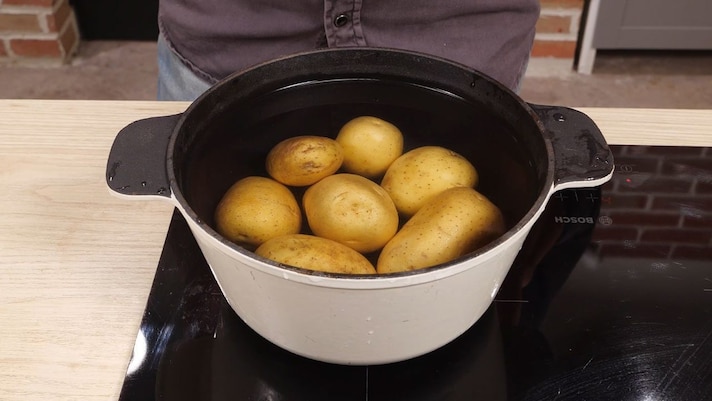
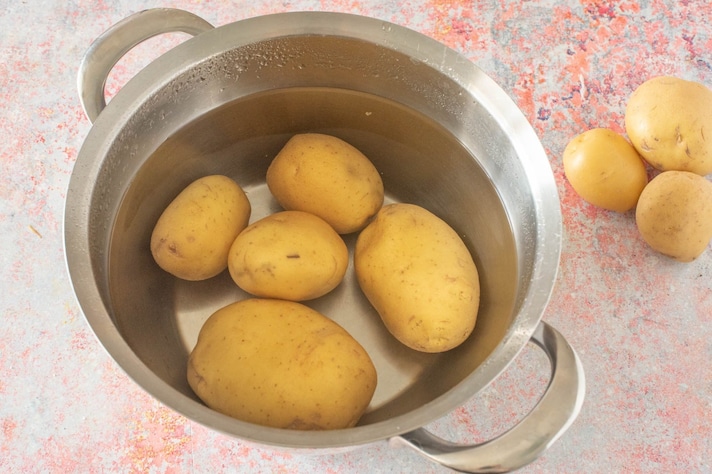
Since you'll be keeping the skin on, remove any remaining dirt from the potatoes with a damp cloth and then rinse them under running water. Now, boil them as usual, placing them in cold water, turning on the heat, and keeping them simmering until they're completely soft, even reaching the core, without falling apart. This will take about 45 to 60 minutes. Test by inserting a fork into the potatoes; they should slide in easily. Two additional notes:
- when they reach boiling point, lower the heat, so that they cook gently: it will take longer, but the pulp will be cooked evenly
- Don't add salt at this point, as the skin prevents it from being absorbed.
4. Waiting For Them to Cool Down
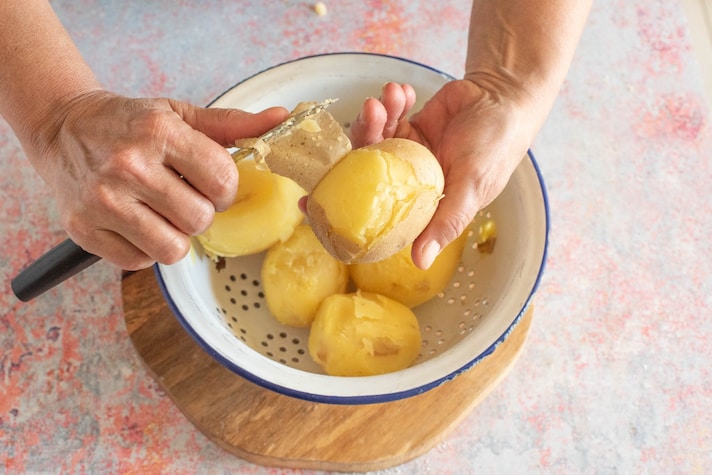
As with mistake number one, it's now well known that certain actions must be performed while the potatoes are still warm after being carefully drained. When mashing potatoes, it's important not to let the tuber cool down because the skin would stick to the pulp, making it very difficult to remove. Secondly, it would be harder to mash, becoming hard and risking lumps.
5. Using The Wrong Tool
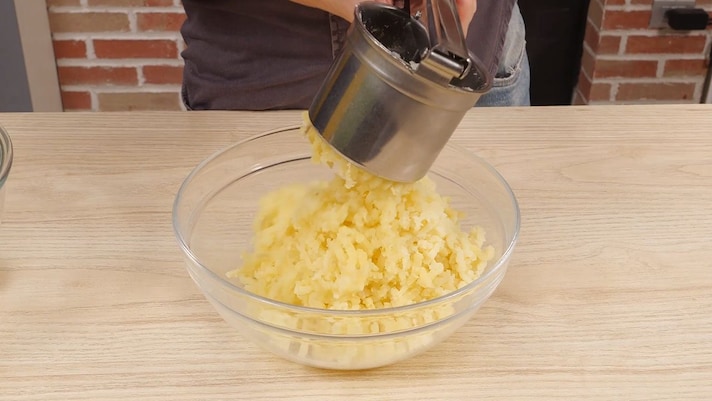
Once the skin has been removed from the potatoes with a sharp knife, proceed to the next step. There's no single best tool for mashing potatoes; depending on your skill and experience, you can use a simple fork, a food mill, or a lever-operated potato masher. The latter is the most commonly used, as it combines convenience and speed: we don't recommend leaving the skin on, as the holes won't be able to separate it completely. For a smooth mixture, a food mill is the best option, but you can also fine-tune your mash later.
6. Not Heating The Milk and Pouring It In All At Once
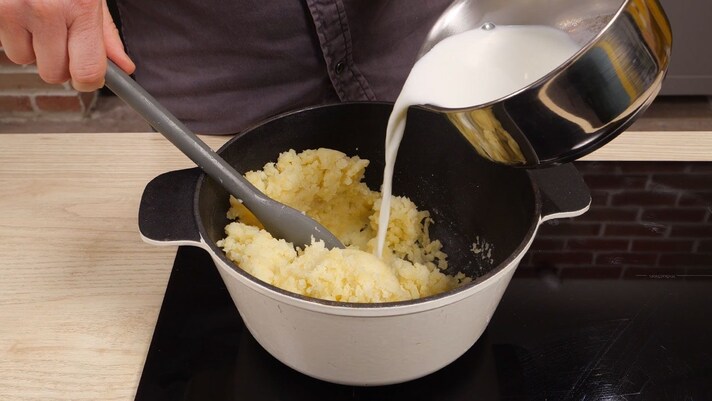
Pour the mashed potatoes, which will still be warm, into the pot and add the milk: it must be hot (but not boiling), to avoid thermal shock, and added gradually as it is incorporated with a whisk or ladle. This will avoid lumps and give you a creamy mixture. Now it's time to add the salt first and then the butter cut into cubes: as when creaming risotto or pasta, it's best to use the latter cold, so as to make the most of its fat, which melts upon contact with the heat, making the purée smoother. Do these steps off the heat or over very low heat.
7. Getting The Proportions Wrong
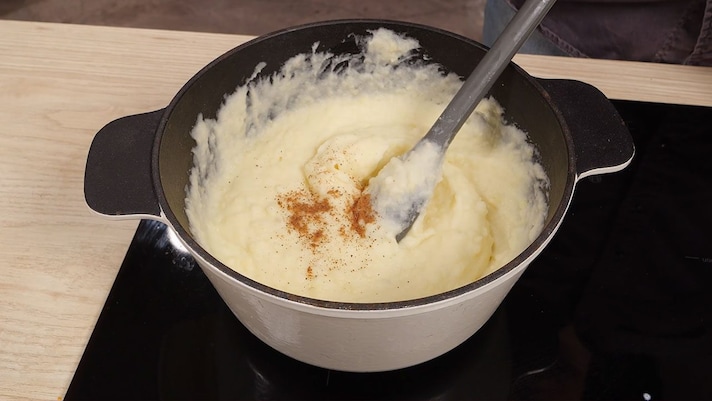
The quantities are important to obtain flavor and consistency. For example, Robuchon became famous for his very rich puree, with a 1:1 ratio of potatoes to milk + butter: that means that for 1 kg of potatoes he added 500 grams of milk and 500 grams of butter. Too much? By today's standards, definitely yes, but it was the 1980s after all. Now the quantities of fat have decreased to 500 grams divided into equal parts (250 + 250). In our recipe, the butter is even less, 50 grams. Be careful when adding the milk, because a puree that is too liquid is almost impossible to recover without distorting the preparation (unless you have some boiled potatoes left over to combine), while if it is hard, then add more milk than already indicated, but never add water, because it will separate the mixture.
8. Blending The Puree
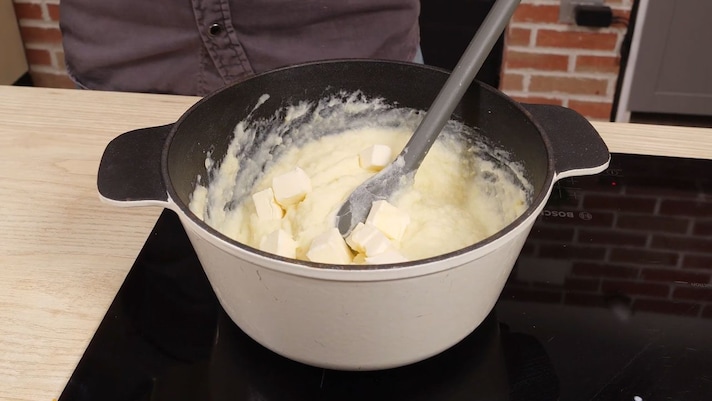
At this point, your puree is practically ready: you can add a little nutmeg or make it more flavorful with grated cheese. If you notice that the texture is too coarse or lumpy, then equip yourself with a fine-mesh strainer and sift it with a spatula: don't give in to the temptation of an immersion blender or you'll ruin the entire recipe, causing all the soft texture to fall apart.
9. Not Trying Alternatives
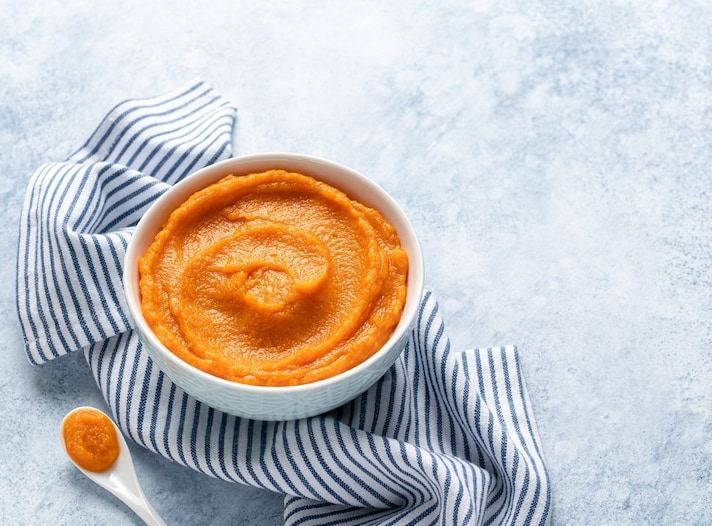
Potatoes, milk, and butter are the basic ingredients for a classic mashed potato. But that doesn't stop you from experimenting: you can try mashed potatoes without milk for a lighter or "emergency" option, because you've run out of milk. Or, to get in full autumn or winter mood, maximize the comfort food aspect of this dish by pairing potatoes with seasonal vegetables, like in pumpkin puree or cauliflower puree.
;Resize,width=767;)
