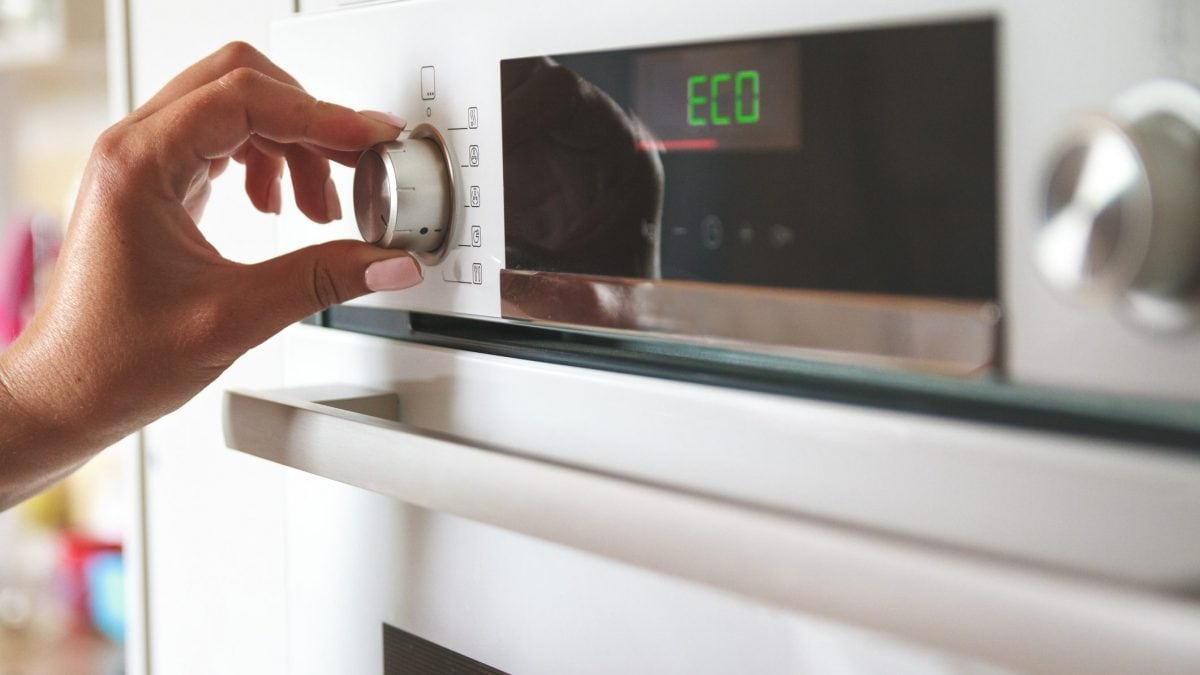
There are many ways we can try to save a little on our bills, and among them are some tricks to follow in the kitchen: appliances, like stoves, can increase our utility bills. But using them with a little care can be truly crucial: in this article, we'll give you some tips and tricks to help you reduce costs.
1. Cooking Pasta With The Heat Off
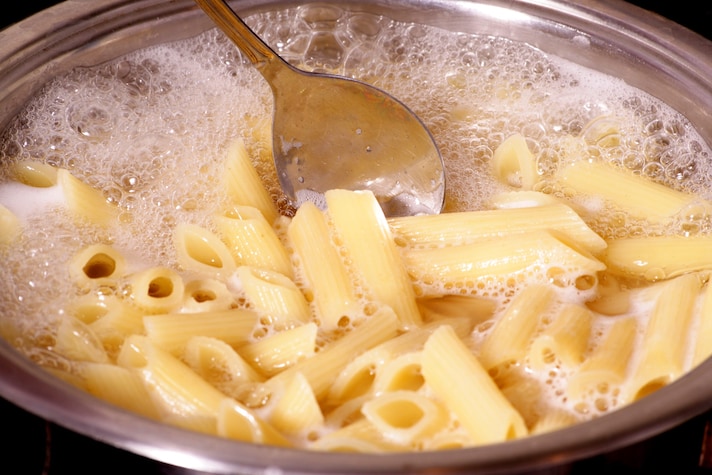
It may seem like heresy to some, while others may already know, but cooking pasta doesn't necessarily require a fire: simply put water on the stove, bring it to a boil, and, once you've thrown in the pasta, you can easily turn off the heat after a couple of minutes. Some types of pasta, such as rigatoni or penne, are particularly suited to this method of cooking because they allow water to pass through them, thus facilitating rehydration.
2. Using The Oven More Than Once
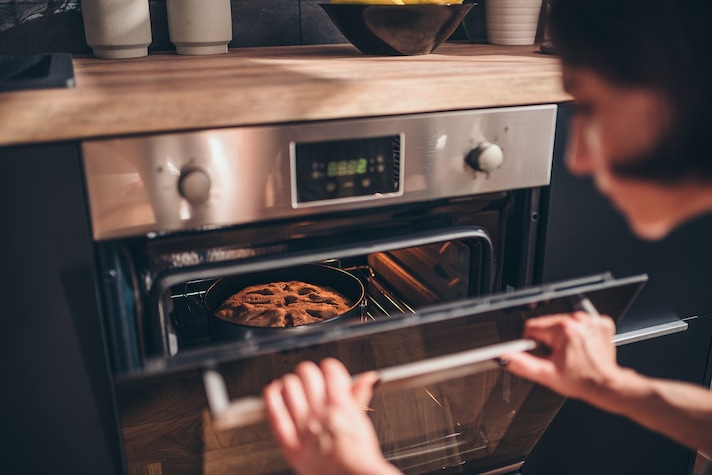
When you use the oven, the greatest amount of energy is consumed in the initial phase, when it has to reach temperature. For this reason, if you need to cook in the oven, use it to prepare multiple foods at the same time so that you only use most of the energy once. And for even greater savings, you can turn it off a few minutes before the end of the preparation time: the residual heat will help finish cooking (except for some foods, like cakes).
3. Using a Pressure Cooker for Long Cooking Times
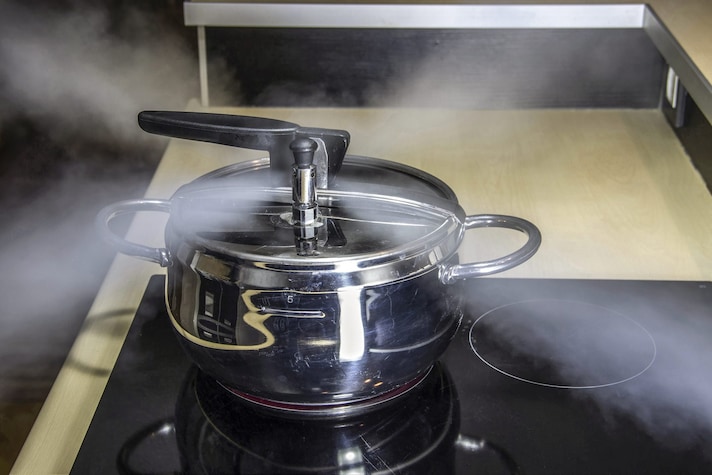
Perhaps a little underestimated lately, the pressure cooker is an excellent tool for saving energy: this is because the way it works halves preparation time and is therefore particularly suitable for long cooking times, such as stews, braised dishes and even legumes.
4. Always Use The Lid
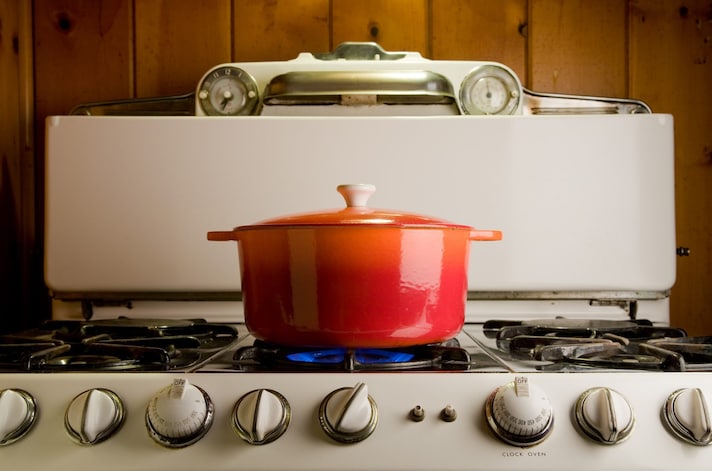
It may seem like a small detail, but when cooking, always try to use a lid so that the heat remains constant and cooking is quicker. For this reason, we recommend using the specific lid for that pot or pan, so that it is well sealed. Furthermore, if you prepare your dishes ahead of time, the lid will also help keep the food warm and avoid having to turn the heat on again.
5. Cutting Food Into Small Pieces
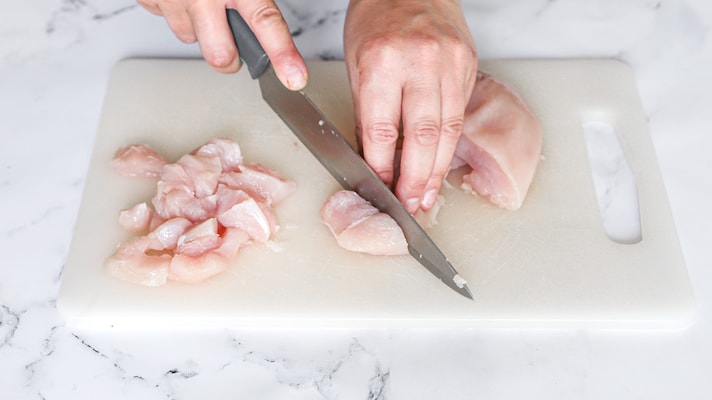
This is especially helpful if you're preparing foods that need to be cooked thoroughly on the inside, such as potatoes or even chicken or turkey nuggets. The smaller the pieces, the less time it takes for the heat to reach the core of the product: the result? A much shorter cooking time.
6. Cooking With a Steamer
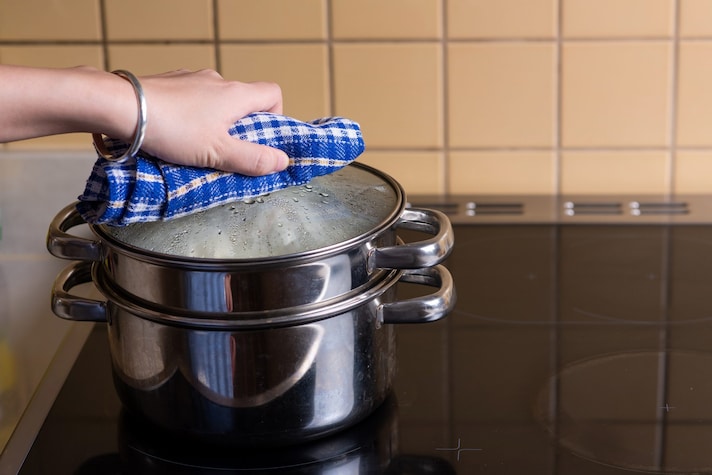
Steaming can be a great way to cook your food without using too much energy: this method allows you to cook multiple foods at the same time (like vegetables and fish, for example) using a single heat source. And if you don't have a steamer available, no problem: you can achieve perfect steam cooking even without one.
7. Cooking a Little More
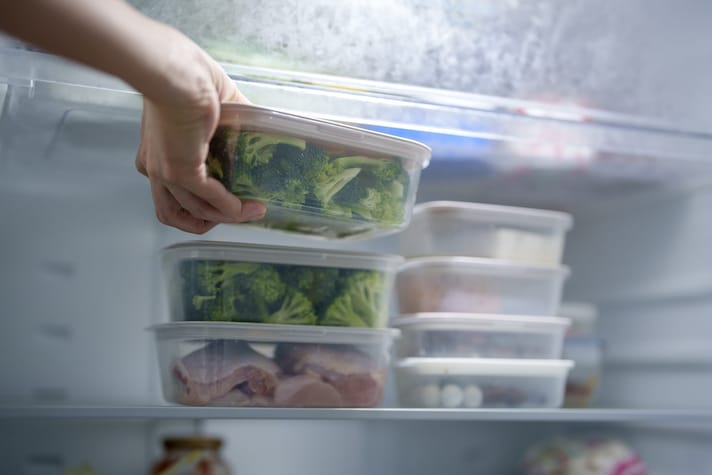
This might seem counter to what we've always preached—that is, cooking only what you want to eat to avoid wasting food—but this remains true and, above all, a very useful piece of advice. In some specific cases, however, it can be practical to cook more than you currently want to consume: you can take any leftovers with you to work or perhaps put them in the freezer and take them out when you're short on time. This way, you can cook several meals by turning on the stove (or even the oven) just once.
8. Using Hot Water
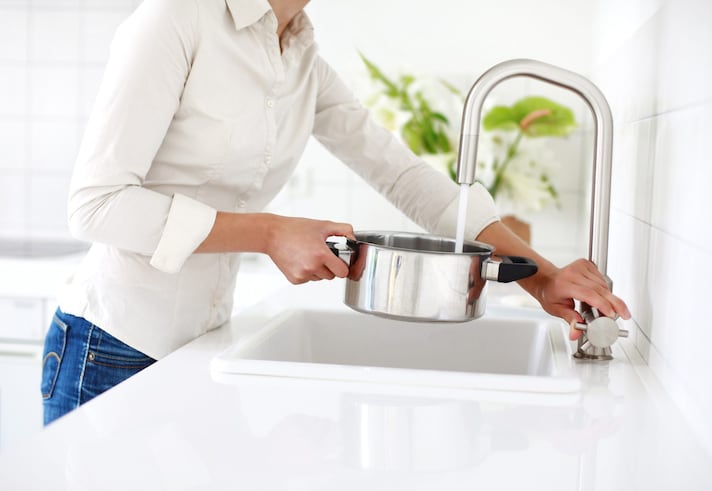
This tip is especially true for cooking pasta: instead of filling your pot with cold water, use hot water, so it will take less time to boil. Also, follow the same advice for recipes that call for adding water: adding a cold liquid, such as to a soup that's already cooking, will lower the internal temperature and the food will take longer to finish cooking.
9. Choosing Quick Recipes
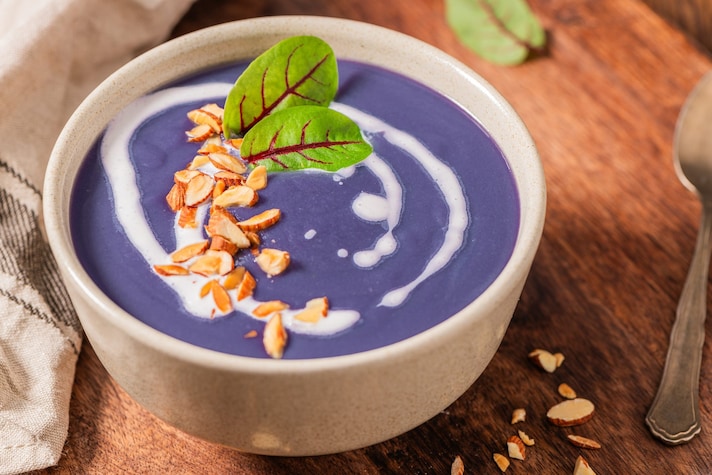
Our final piece of advice is especially important during this summer, when the desire to cook is minimal: try to focus on quick and easy recipes that don't require long cooking times. This way, you'll cut your energy bills in half and spend much less time in contact with the heat of the fire.
;Resize,width=767;)
