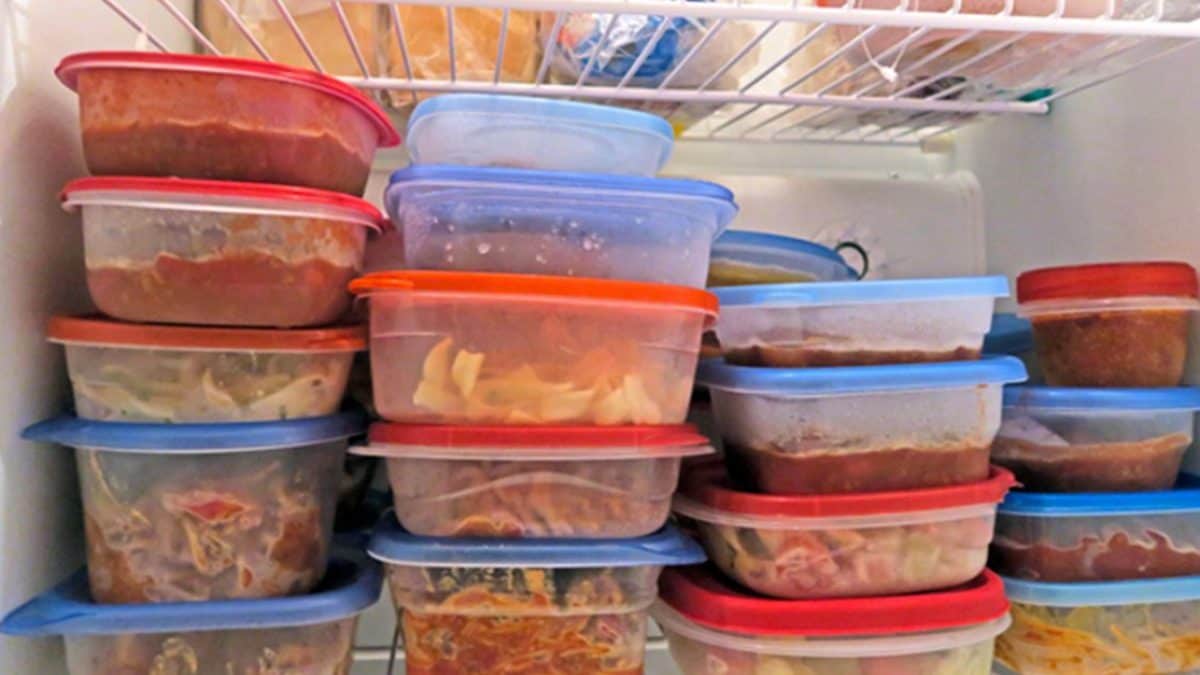
You haven't managed your portions well and have cooked a lot of food, or you have a particularly busy week ahead of you and want to get ahead with lunches and dinners: whatever the reason, you have some pre-cooked food left over, you can easily freeze it, just like you would with raw foods.
Freezing is a simple and effective way to preserve even cooked foods, a great way to avoid food waste and help you organize your weekly meals. The key is to do it right: freezing cooked foods requires a few simple precautions that will prevent the food from spoiling and allow you to eat it in its best condition.
As a general rule, remember that not all foods are suitable for freezing and, above all, you should never refreeze thawed food, especially if it's already cooked: if refrozen, the food loses much of its flavor and consistency and may also have already started decomposition processes that involve the presence of bacteria.
Once you've learned these first two fundamental tips, let's move on to the specific case of how to freeze cooked foods, with a guide full of tricks and tips for doing it the right way.
1. Leave Food Slightly Undercooked

One of the best secrets to freezing cooked foods is to leave them slightly undercooked, a valuable tip if you're preparing meals specifically for freezing. This is because during thawing, and especially when sautéed or reheated in the oven, meat, fish, and vegetables naturally complete their cooking process. Cooking food for freezing for less time will prevent you from serving overcooked food.
2. Use Few Spices and Condiments

Using spices and condiments on foods you'll freeze and then thaw isn't harmful, but it's of little use. During the freezing process, these ingredients can cause the food to lose flavor and texture because they dry it out. It's much better to reduce salt and seasoning before freezing and do so afterward, after thawing, to ensure your dishes are still as flavorful as they were when you first cooked them.
3. Measure and Portion

If you've prepared a fairly large portion of your recipe—a quiche, for example, or a lasagna, or even minestrone—it's a good idea to freeze the food not whole, but rather divided into smaller portions. This will save you from having to defrost the entire dish and prevent food waste: once defrosted, food can't be re-frozen, so if you already have the recipe portioned out, you'll be sure to consume it all once you've thawed it.
4. Separate the Solid Components From the Liquid Ones

If you've prepared or have leftover soups, broths, and broths to which you've added rice and pasta, remember that the best way to freeze them is to separate the solids from the liquids, as this allows the food in question to preserve itself better and maintain its texture and flavor. You can use an airtight container for the liquid portion and a simple freezer bag for the solids.
5. Use Potato Starch Instead of Flour

If you need to freeze foods that require flour, such as various sauces, and you still have to prepare the recipe, replace it with potato starch, which is more suitable for freezing.
6. Freeze Food Only When It's Cold

A fundamental rule for freezing cooked foods is to only place them in the freezer once they're completely cool. Placing containers full of steaming food in the freezer can compromise the shelf life of everything you've frozen and even impair the functionality of your appliance. To quickly chill freshly cooked food, you can immediately transfer it to a container and immerse it in a second, larger container filled with water and ice.
7. Choose the Right Container

Choosing the right container is a crucial factor, especially when you're planning to freeze cooked food. If you don't have special freezer bags , glass or rigid plastic containers (yes, glass can be frozen) will work just fine, provided they're tightly sealed. If you use bags, however, be sure to remove as much air as possible before sealing them with the appropriate elastic band.
8. Put a Label on It

It's essential to label the container or bag with the freezing date of the food you're going to store in the freezer. Even in the freezer, food doesn't last forever! For example, cooked food has a shelf life of around three months, after which it begins to lose its flavor and texture. The label will help you dispose of frozen food within the specified timeframe.
9. Avoid Overstuffing Freezers

Our last tip is also the least known: when freezing foods in general, both cooked and raw, it's important to keep your freezer not overly crowded. Too many foods packed together prevent air circulation and the formation of ice, which is necessary to prevent the growth of bacteria and parasites, which are harmful to your health.
;Resize,width=767;)
