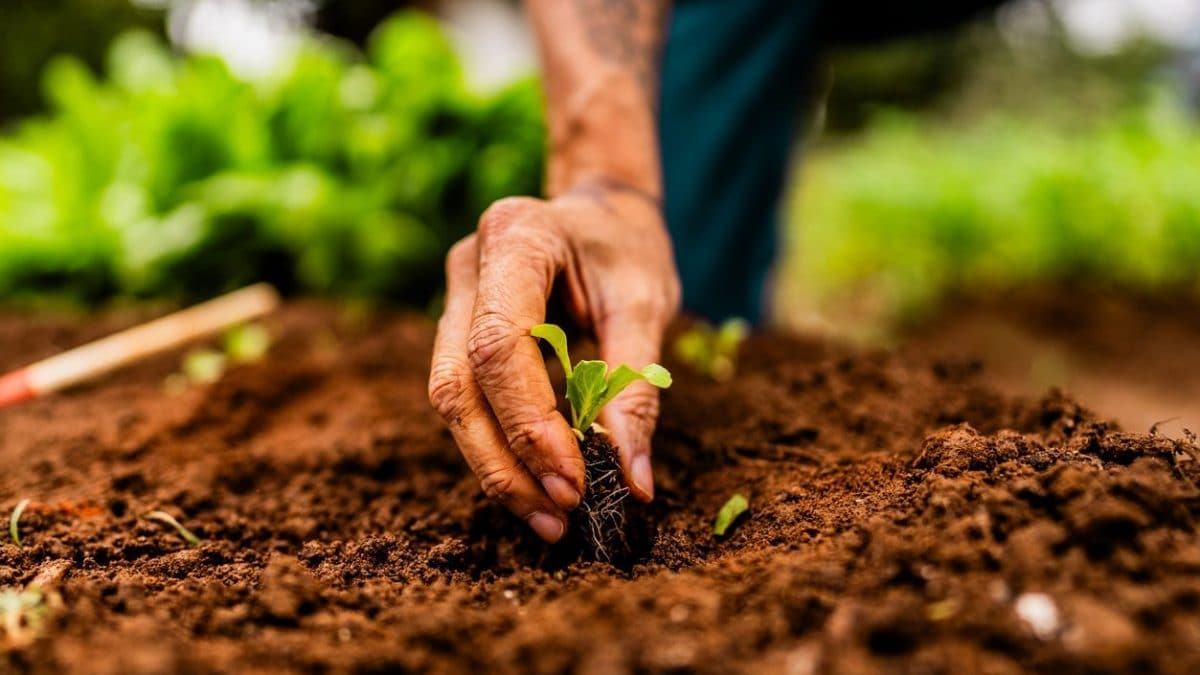
In a small Native American community in Nebraska, USA, there's a very unique educational initiative. It's called Farm to School, a project conceived by the Umoⁿhoⁿ Nation, a school located on the Omaha Reservation in Macy. The project seeks to reconnect young people with the traditional foods so dear to the indigenous people, and they're doing so through socio-cultural and economic initiatives. The program engages students in various areas, including food harvesting and preparation, providing an example of how tribal schools in the US are trying to address nutritional and social hardships. The idea is to revive indigenous traditions while promoting greater tribal sovereignty.
A Community-Rooted Initiative
The Umoⁿhoⁿ Nation's farm-to-school program was created with the aim of improving access to healthy, nutritious food for students and their families. Macy's, the town where the school is located, is considered a "food desert" because there is no proper supermarket. To address this, the school has created a community garden where students can learn to grow crops. This has led to the school producing as many as 25,000 plants per year, including tomatoes, peppers, onions, zucchini, and eggplant.

The project is teaching many young people agricultural and culinary skills and instilling a deep sense of cultural pride. Students like Emilie Lyons, a fourteen-year-old who participated in the program, describe how growing crops has brought them closer to their indigenous heritage. For Emilie, growing crops like traditional corn has had a significant impact, not only on her personal growth but also on her relationship with food and the culture of her community.

"This was my first experience with growing," Emilie Lyons told The Guardian. "It was a wonderful feeling to plant a seed, watch it grow, and deliver the finished product to a greengrocer. As I walked with my friends past the school cafeteria, I was amazed to see the vegetable garden being cultivated and thought to myself, ‘I'd grown all that myself.‘"
Fighting Resource Scarcity and Food Insecurity
Despite the program's success, the Umoⁿhoⁿ Nation faced several challenges: water shortages and the need for adequate documentation for participants. Given the precarious conditions in which they and their families live, it is often difficult to obtain documents such as birth certificates or social security numbers. Yet we can say that the initiative has largely overcome all the seemingly inconvenient and impossible challenges of launching such an important project.

Valuable support has been received from various institutions, such as the Nebraska Department of Labor and private foundations that have donated various funds. Ultimately, this project has sought to bring traditional Native American foods back into school cafeterias. The use of native ingredients such as corn and bison meat is gradually gaining momentum, with the goal of renewing indigenous culinary traditions and educating young people about healthy eating. Food is a key element in reconnecting with one's traditions, and for this reason, the program has offered students the opportunity to become custodians of their cultural roots. In this way, a strong connection to the land and to the traditions of the past has been forged, for a healthier, greener, and more conscious future.
;Resize,width=767;)
