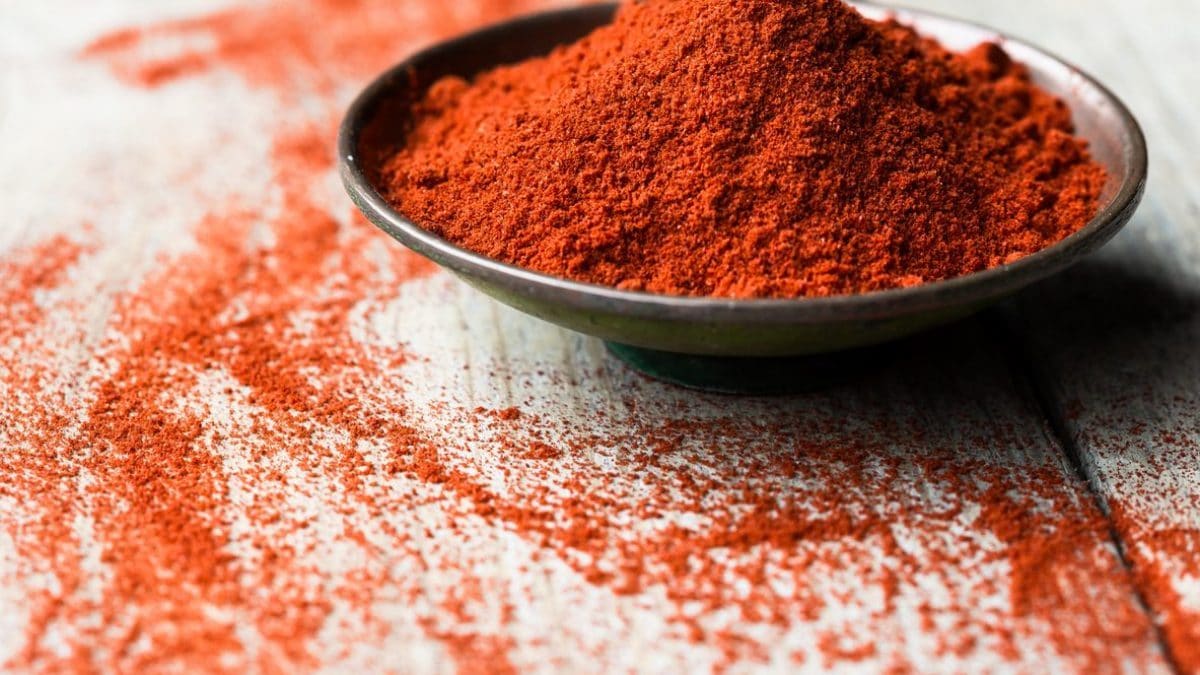
A spice with ancient Indian origins, paprika is one of the most widely used seasonings in the world. It arrived in Europe with the Hungarians, who in turn imported it from the Turks. It is the undisputed star of numerous traditional dishes, including the famous goulash, so much so that the word "paprika" itself derives from the Hungarian word for "pepper." Thanks to its intense red color and flavor that can range from sweet to spicy, paprika—obtained by grinding the dried fruits of various varieties of peppers belonging to the Capsicum annuum species —is not only one of the most versatile and useful spices, but also one of the richest in benefits: it contains vitamins and antioxidants, and has significant antibacterial and anti-inflammatory effects. Here are all the benefits paprika provides and why you should use it often.
Paprika's Benefits and Benefits
Paprika, sweet or hot, is a spice obtained from various types of peppers or chili peppers: red peppers, while hot peppers are used in the former. To obtain this ancient spice, the peppers are dried and then ground: a powder that is more or less red depending on the level of spiciness, used in Indian, Turkish, Hungarian, and Spanish cuisine, and increasingly popular in American recipes as well. Be careful not to be fooled: paprika is not "simply" chili pepper powder, but rather a more complex preparation that varies depending on the presence or absence of seeds; the white inner pith, one of the parts containing capsaicin, the substance responsible for varying degrees of spiciness, is completely absent.
The nutritional profile of this spice is particularly interesting and, given its numerous beneficial properties, it should be a must-have in our kitchens and recipes. Let's start by saying that paprika is a true powerhouse of vitamins: it contains high concentrations of vitamin A, useful for eye development and vision, vitamin K and vitamin C, which help support and protect the immune system. Whether sweet or spicy, paprika is a low-calorie spice (282 kcal per 100 grams), low in fat and rich in minerals, particularly iron, magnesium, phosphorus, and potassium. Here are its benefits in detail.

1. Powerful Antioxidant
Paprika is rich in carotenoids, such as beta-carotene, which are converted into vitamin A in the body. Vitamin A is a powerful antioxidant that helps protect cells from free radical damage, slowing cellular aging and reducing the risk of degenerative diseases.
2. Eye Health
The vitamin A in paprika is essential for healthy vision, helping to prevent macular degeneration and night blindness.
3. Strengthened Immune System
The vitamin C present in paprika is necessary for the proper functioning of the immune system, helping the body defend itself from viruses and bacteria.
4. Skin Health
Thanks to its antioxidant properties, paprika helps keep skin healthy, bright and youthful, protecting it from UV damage.
5. Anti-Inflammatory Properties
Some studies suggest that capsaicin, the substance that gives chili peppers their spicy flavor, also present in paprika, may have anti-inflammatory properties, relieving joint and muscle pain.
6. Cardiovascular Well-Being
Paprika, thanks to its content of vitamin E and phenolic compounds, helps protect the heart and blood vessels, reducing the risk of cardiovascular diseases.
7. Digestion
Paprika stimulates the production of gastric juices, aiding digestion and relieving ailments such as bloating and heaviness.

Contraindications
Like all foods, paprika can have some side effects, including possible allergies in susceptible individuals. Capsaicin, the substance that gives paprika its spicy flavor, can irritate the stomach and intestinal mucosa, causing heartburn, acidity, and digestive discomfort, especially in people with gastritis or ulcers.
Capsaicin can interact with some medications, such as blood thinners, increasing the risk of bleeding. It's always advisable to consult your doctor before consuming large amounts of paprika, especially if you're taking any medications. Although there are no specific studies on the effects of paprika during pregnancy and breastfeeding, it's advisable to consume it in moderation, especially during the first trimester.
;Resize,width=767;)
