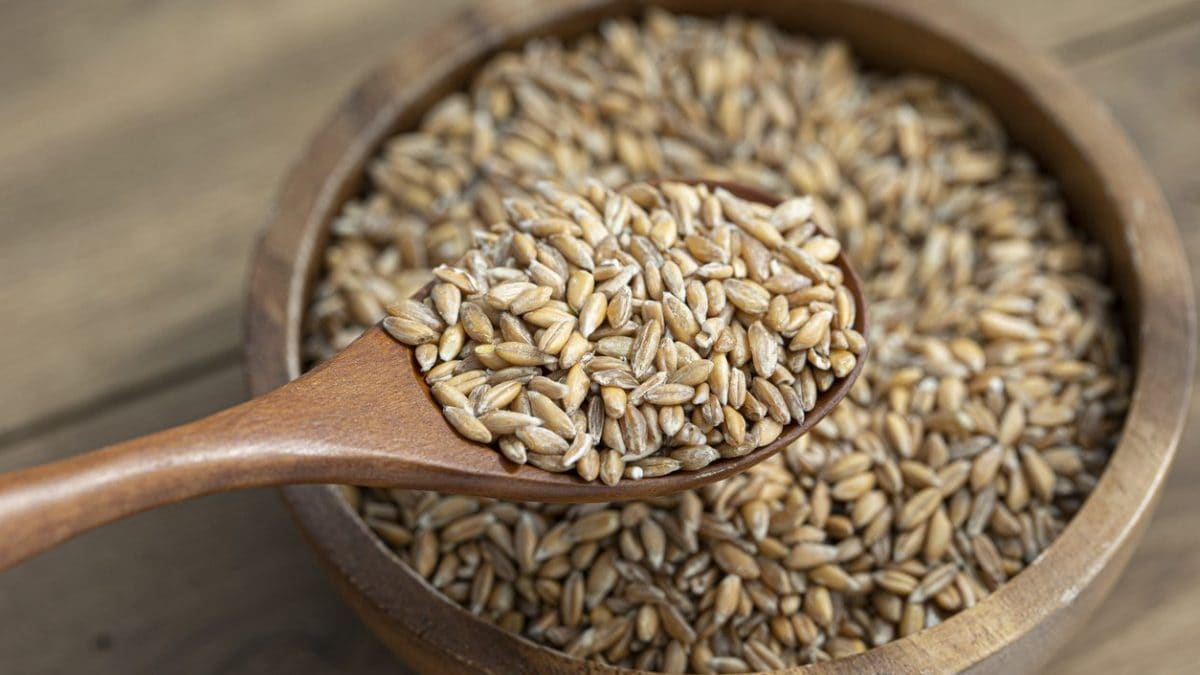
Among nutritionally interesting foods, spelt has gained many admirers in recent years thanks to its numerous properties, ease of availability and its versatility in the kitchen, including baking. We are talking, in fact, about an ancient cereal, cultivated in Mesopotamia and other areas of the so-called Fertile Crescent as early as 10,000 years ago and then arriving in Europe and the U.S. particularly in the Midwest: especially in North and South Dakota and Montana, thanks to the right growing conditions. A precious and valuable product – the Romans even used it as a currency – which is in all respects the first wheat (Triticum) in history, preceding the arrival of the soft (Triticum aestivum) and durum (Triticum durum) varieties. There are three types of spelt plants, which are:
- Triticum monococcum: it is the oldest of all, the einkorn, also known as small spelt due to the size of the plant and the grains.
- Triticum dicoccum: the most widespread in our country for millennia, dicoccum is what we simply call spelt, with medium grains.
- Triticum spelta: known as spelt, it is also called granfarro or large farro, and is the “youngest” of the three, typical of the Nordic countries.
Depending on the degree of refinement the grain undergoes, like rice and barley, farro is commercially available as pearled, without the germ and bran; hulled, when only the bran is removed; and whole, which retains all its constituent layers (but is less readily available). You may also see the word semi-pearled on the packaging, a cross between pearled and hulled, with only part of the husk removed. Depending on the processing it undergoes, farro retains more or less of its nutritional properties, differences that, however, do not undermine its many virtues. Let's see what they are.

Spelt's Properties and Benefits
Farro is popular precisely for its range of qualities. Inside the grain, thanks to the presence of the glumetta, or the outer covering, the nutritional values are maintained better than those of other grains. The starches present in spelt are resistant to digestion (therefore they convert less into simple sugars), promoting intestinal transit, avoiding glycemic spikes and reducing the formation of bad cholesterol (LDT). In terms of calories, the level is similar to that of other cereals, with 353 kcal per 100 g of raw pearled spelt. Consumed together with legumes, spelt is considered a complete source of protein, as it lacks lysine among the essential amino acids , like all its relatives, which instead are rich in beans, chickpeas, peas and lentils. Furthermore, here are 6 more reasons to have it in your pantry.
1. Promotes Intestinal Well-Being
Thanks to the high content of soluble and insoluble fiber, which regulate the expulsion of feces and help prevent constipation.
2. Check Your Blood Sugar
It helps maintain stable blood sugar levels, being a low glycemic index food, also recommended for those who need to control diabetes or insulin resistance.
3. Supports the Nervous and Muscular System
This is thanks to the presence of vegetable proteins, B vitamins (including folic acid) and minerals such as magnesium which strengthen muscles, provide energy and support the correct functioning of the nervous system.
4. Helps the Cardiovascular System
Fiber can help lower total cholesterol and especially LDL cholesterol, reducing the risk of heart and circulatory diseases.
5. Fights Cellular Aging
Spelt offers a fair amount of natural antioxidants (polyphenols and carotenoids) that protect cells from oxidative stress.
6. Maintains Ideal Weight
Spelt is a good ally for weight control because its fiber and protein increase the feeling of satiety without weighing you down.
Contraindications
Despite its many benefits, spelt is not suitable for everyone. Since it contains gluten, albeit to a lesser extent than wheat, celiacs are prohibited from consuming it. If you suffer from irritable bowel syndrome, the high fiber content can lead to abdominal bloating, while its laxative effect makes it inadvisable for those with intestinal problems such as colitis.
Those following carbohydrate-restrictive diets must be careful, as these complex sugars, although digestible, represent the largest percentage of its composition, practically identical to that of soft and durum wheat (over 70%).

How to Use Spelt in Cooking
From soups to minestrone, from salads to be eaten warm or cold, to stuffed vegetables, spelt is an ingredient for dishes rich in health, but also in flavor. Before cooking, it's good to know that the different types require specific pre-cooking treatments: pearled spelt is the most practical, it doesn't need soaking and cooks on average between 20 and 40 minutes, while for the hulled one, it must be soaked in cold water for at least one night (between 8 and 12 hours) and then cooked for 40 minutes or more, which can even take up to an hour. In any case, the correct preparation method is always indicated on the packaging. The advice, whether soaking or not, is to rinse the spelt under running water and then you can boil it in plenty of salted water (or broth), which is the most common method, or steam it or cook it in a pressure cooker, to optimize cooking time. For creamy consistencies, aim for absorption cooking as you would with a risotto, moistening with water or broth.

On the shelves you'll also find spelt-based by-products, such as flour, with a low glycemic index, used for bread, focaccia, and rustic pies; toasted flakes, perfect for breakfast in milk and yogurt; pre-cooked spelt, therefore ready to use; and spelt pasta, an alternative to traditional wheat pasta, richer in fiber and protein. In a varied, healthy, and balanced diet, combine it with vegetables, legumes, spices (this will reduce the use of salt), and olive oil: feta and mozzarella are dairy products that go well together, as do tuna and salmon , for a full supply of omega-3s.
;Resize,width=767;)
