
Tuna, a pelagic fish with fine flesh and an intense flavor, has always been a staple on our tables, with its diverse varieties, each suited to different preparations. Present in numerous dishes, from simple sandwiches to elaborate sushi, tuna is prized worldwide for its versatility and nutritional properties. But what do we really know about this fish? What are its characteristics and health benefits? Here's everything you need to know about tuna, from its origins to its nutritional properties, including the different species and ways to consume it.
Tuna's Benefits
Tuna is a fish that lives in warm and temperate waters, often in large schools. It is found in all oceans, but some species are more common in certain areas: bluefin tuna, for example, is widespread in the Mediterranean, while other species, such as albacore, are found mainly in the Pacific Ocean.
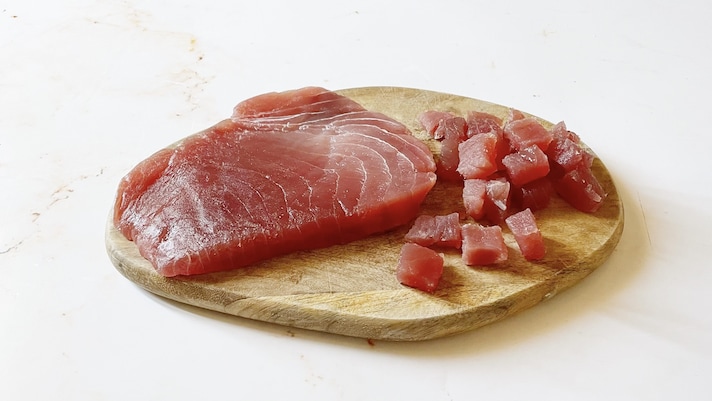
Tuna is rich in important nutrients: high biological value proteins, important vitamins such as vitamin A, D and B12, essential minerals for the functioning of muscles and the nervous system, such as iron, phosphorus, potassium and selenium, saturated omega-3 fats. Here are its benefits in detail.
1. Promotes Cardiovascular Health
Thanks to the combined action of omega-3 and mineral salts, tuna promotes cardiovascular health and improves cognitive functions, because it helps maintain low blood cholesterol levels, as well as reducing the risk of degenerative diseases, such as Alzheimer's and Parkinson's.
2. Low in Fat and Rich in Nutrients
Tuna helps build muscle mass thanks to its high-quality proteins, essential for building tissue, and facilitates fat loss thanks to its satiating power.
3. Concentration and Memory
Omega-3s also have a positive effect on mood, a particularly useful function during times of high stress and anxiety; phosphorus and potassium stimulate concentration and memory, while iron is useful in cases of anemia.
4. Bone Health
Thanks to its mineral content, tuna protects and supports bone development. Minerals, along with proteins, are also essential for tissue growth and repair.
Tuna's Contraindications (The Mercury Problem)
Mercury is a highly toxic heavy metal that accumulates in fish tissues, particularly in larger, long-lived fish like tuna. Excessive consumption of tuna, especially certain species like bluefin tuna, can lead to mercury accumulation in the body, posing potential health risks, especially for pregnant women, children, and the elderly, even when eating canned tuna.
Who should limit tuna consumption? Pregnant and breastfeeding women should limit their tuna consumption, especially high-mercury species like bluefin tuna. Children should also limit their tuna consumption, as they are more sensitive to the toxic effects of mercury. Finally, people with kidney problems should consult their doctor before consuming tuna.
Besides mercury, tuna can present other contraindications: for example, some people may be allergic to it or develop intolerances, especially due to the histamine it contains. Canned tuna is often very salty, so it's advisable to choose low-sodium products.

Is Tuna Better Fresh or Canned?
Canned tuna is a very useful preparation, allowing us to speed up our recipes: but when was it invented? The invention of canned tuna, as we know it today, is the result of an evolutionary process involving various figures and cultures. The ancient Romans already preserved tuna in brine or oil in amphorae: this practice, however, did not guarantee long-term preservation on a large scale. In Spain, particularly in Seville, during the 15th century the custom of preserving tuna belly in oil, after blanching it, spread. However, this method was not yet industrialized. The real turning point came when Ignazio Florio, a great Sicilian entrepreneur, inspired by Appert's discoveries, opened a factory in Favignana for preserving bluefin tuna in oil: it was he who perfected the process, introducing the use of sterilized metal cans.
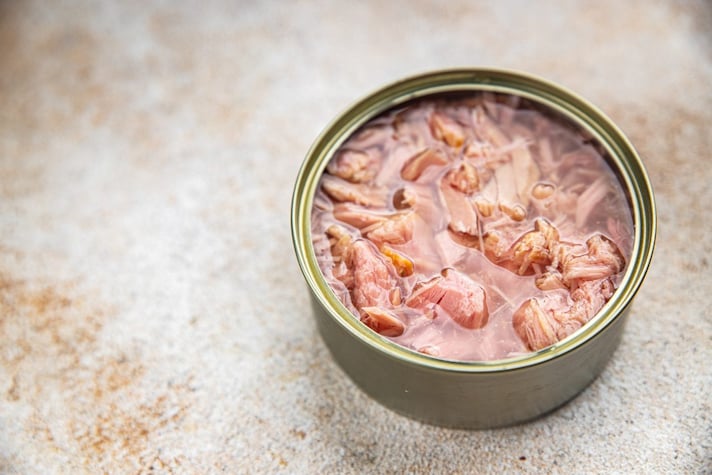
But which is the best product? Fresh tuna is generally considered because it guarantees a higher intake of vitamins and nutrients, as well as being tastier. Fresh tuna, however, isn't always available because fish is also seasonal, it's more expensive than canned tuna, and requires more careful preparation, including the removal of bones and skin. Canned tuna has the advantage of being very versatile and easy to use, it's cheaper than fresh tuna, and it's always available in supermarkets. So the answer is "it depends": on your eating needs, the time you have available, and the recipes you need to prepare.
;Resize,width=767;)
