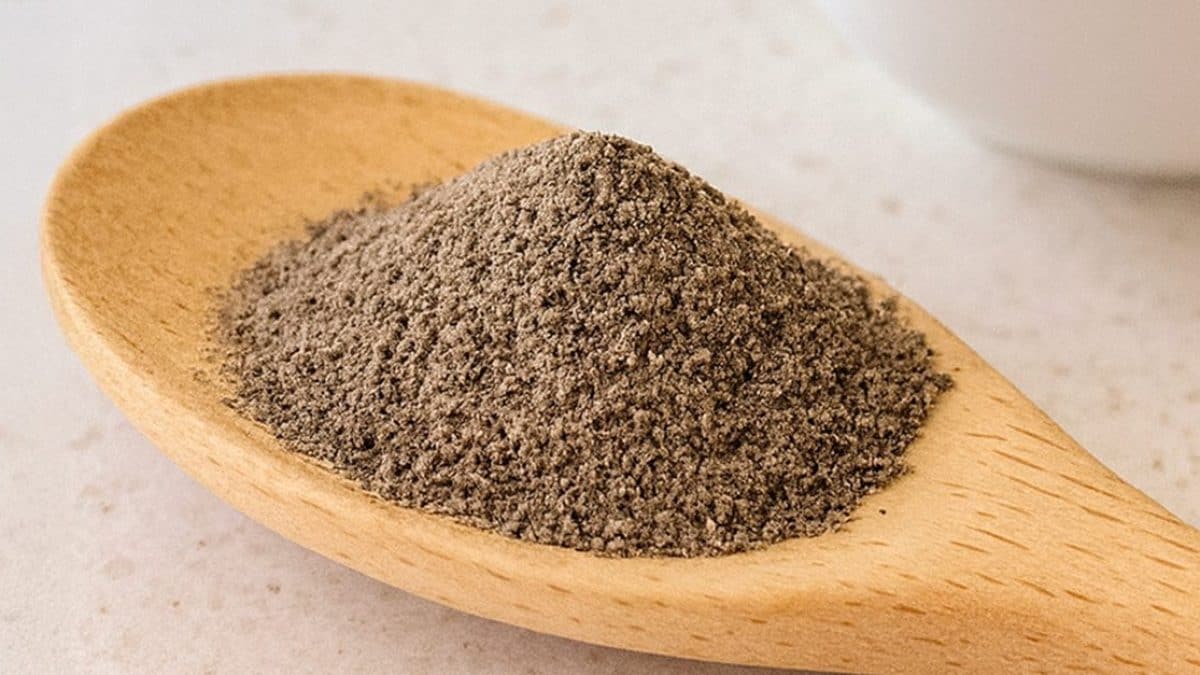
Pepper, the king of spices, has conquered palates and cultures since ancient times: already used by the ancient Romans and Greeks, it was considered a precious commodity, so much so that it was used as currency. But beyond its unmistakable flavor, pepper hides a treasure trove of beneficial properties that modern science is still uncovering. In this article, we will explore the virtues of this ancient spice and discover why it should have a place of honor in our cuisine.
Pepper's Properties and Benefits
Who doesn't love that hint of pepper that enhances the flavor of our dishes? But beyond making food tastier, pepper offers numerous health benefits. Rich in antioxidants and bioactive compounds, this ancient spice is a true panacea for our body.
Pepper is rich in phytochemicals, including piperine, which gives it its characteristic spicy flavor and numerous beneficial properties: it is a powerful antioxidant, capable of counteracting the action of free radicals and protecting cells from oxidative damage. Furthermore, this substance has been shown to have anti-inflammatory, analgesic, and antibacterial properties. Here are all the benefits pepper can provide in detail.
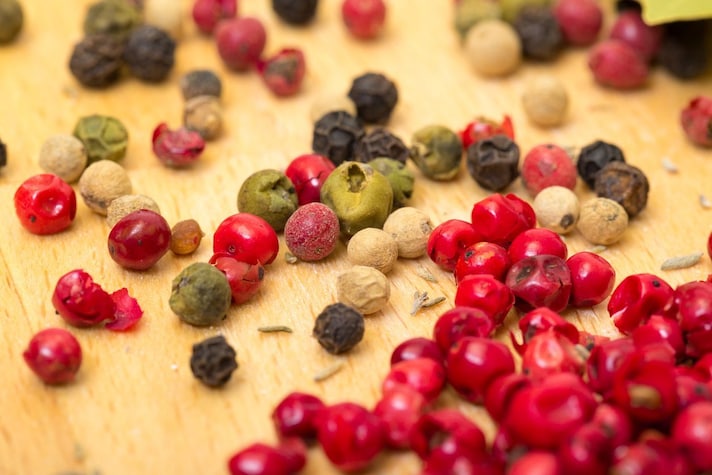
1. Increases Nutrient Absorption
Piperine promotes the absorption of other nutrients found in foods, such as curcumin in ginger and carotenoids in carrots. Additionally, pepper may slightly increase basal metabolic rate, promoting weight loss.
2. Stimulates Digestion
Pepper stimulates the production of gastric juices, facilitating digestion and improving the absorption of nutrients.
3. Antioxidant Properties
Thanks to the presence of antioxidants, pepper helps protect cells from damage caused by free radicals, reducing the risk of chronic diseases such as cardiovascular disease.
4. Anti-Inflammatory Properties
Piperine has been shown to have anti-inflammatory properties, useful for relieving pain and reducing inflammation.
5. Anctibacterial Action
Some studies suggest that pepper may have antibacterial properties, useful for fighting certain infections.
6. Improves Mood
Piperine stimulates the production of endorphins, neurotransmitters that help improve mood and reduce stress.

Pepper Contraindications
While pepper is generally safe for most people, it's recommended to consume it in moderation, as it has some specific side effects for some people. Here's who should be careful about limiting their pepper consumption.
- People with ulcers or gastritis should severely limit their pepper consumption, as it can cause stomach irritation or worsen it. For the same reason, it is not recommended for those with acid reflux.
- The use of this spice is not recommended for hemorrhoids and cystitis, because it could worsen the symptoms or trigger them in predisposed individuals.
- In people with kidney problems, excessive consumption of pepper could worsen the situation.
- Finally, pepper can interact with some medications, such as anticoagulants: it is therefore advisable to consult your doctor before increasing your pepper consumption if you are taking any medications.
There's no universally defined maximum daily dose of pepper that works for everyone: pepper consumption, like many other spices, varies from person to person and depends on several factors. If you're sensitive, we recommend using it sparingly and mixing it with other spices or herbs.
;Resize,width=767;)
