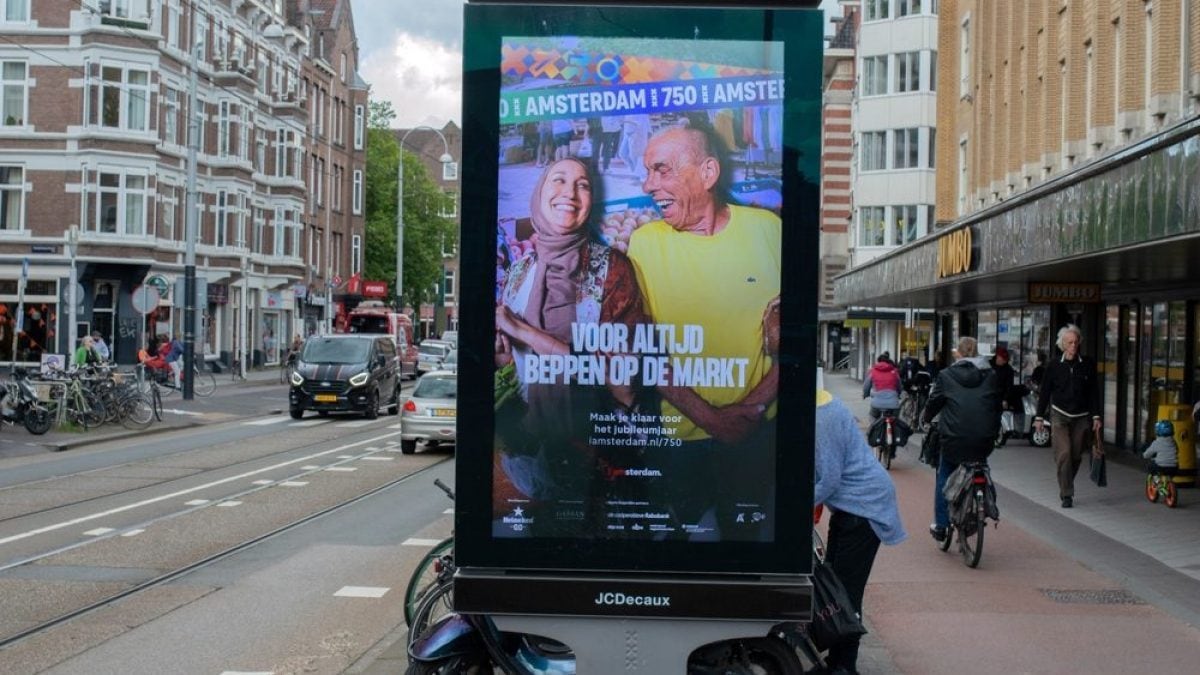
In January 2026, Amsterdam took a bold step against climate change by becoming the first world capital to ban meat advertising in public spaces. The measure, which took effect on May 1, 2026, is part of a broader policy program to promote more sustainable diets and reduce greenhouse gas emissions.
The decision, in fact, doesn't just concern meat, but is part of a package of measures that also includes advertising for fossil fuels, gasoline-powered cars, and airlines. The goal is to reduce the impact of high-emitting sectors and encourage plant-based diets, with an ambitious goal: to reach a 50% plant-based diet by 2050.
From Voluntary Initiative to Binding Law
Until 2020, Amsterdam had attempted to reduce advertising for climate-damaging products through voluntary agreements with advertisers. But after these measures proved ineffective, the city decided to make the ban mandatory, a move that received broad support from local politicians.
The ban has sparked harsh reactions from farmers and the meat industry, who see it as a direct attack on their work and an interference in consumers' freedom of choice. Critics, including some center-right parties, denounce the restriction of commercial freedom and fear the beginning of "censorship" for products deemed harmful to the environment.
On the other hand, the Party for the Animals and the Greens (GroenLinks) supported the decision, emphasizing that it is a necessary move to address the climate emergency and reduce the city's ecological footprint. The policy is part of a policy landscape increasingly oriented towards environmental sustainability.
Before Amsterdam, other cities in the Netherlands, such as Haarlem, Utrecht, and Groningen, had already introduced restrictions on meat advertising for environmental reasons. These measures, while varying in detail, reflect a growing local trend that Amsterdam has now extended to a broader level, becoming the first global capital to adopt similar legislation.

Will This Ban Really Change Anything?
Meat advertising represents only a small fraction of total advertising: the ban applies only to public spaces controlled by the municipality. It therefore remains possible to promote meat through other channels such as TV, newspapers, and the internet. This raises the question of the measure's effectiveness: will it truly influence the population's eating habits?
Despite this, advertising restrictions have been successful in the past in other areas, such as tobacco, and could help slowly change social perceptions of meat consumption. Furthermore, the city of Haarlem, which introduced a similar ban in 2022, is already showing how this trend is spreading across Dutch cities.
Amsterdam is Under Observation
Amsterdam is demonstrating that local policies can influence global behavior. If the ban is successful, it could become a model for other cities around the world, helping shift food culture toward more sustainable diets. Conversely, failure could hamper the adoption of similar measures in other capitals.
The meat advertising ban is part of a broader debate on advertising regulation for health and environmental reasons. Similar restrictions already exist for tobacco and alcohol: the question is whether products with a high environmental impact like meat can be included in these policies. The Amsterdam case could pave the way for a new phase in global advertising regulation.
The future will tell whether other cities will follow Amsterdam's example or seek other ways to address the climate challenge. The Dutch experiment could be the beginning of a journey that will profoundly change our relationship with the environment and food.


