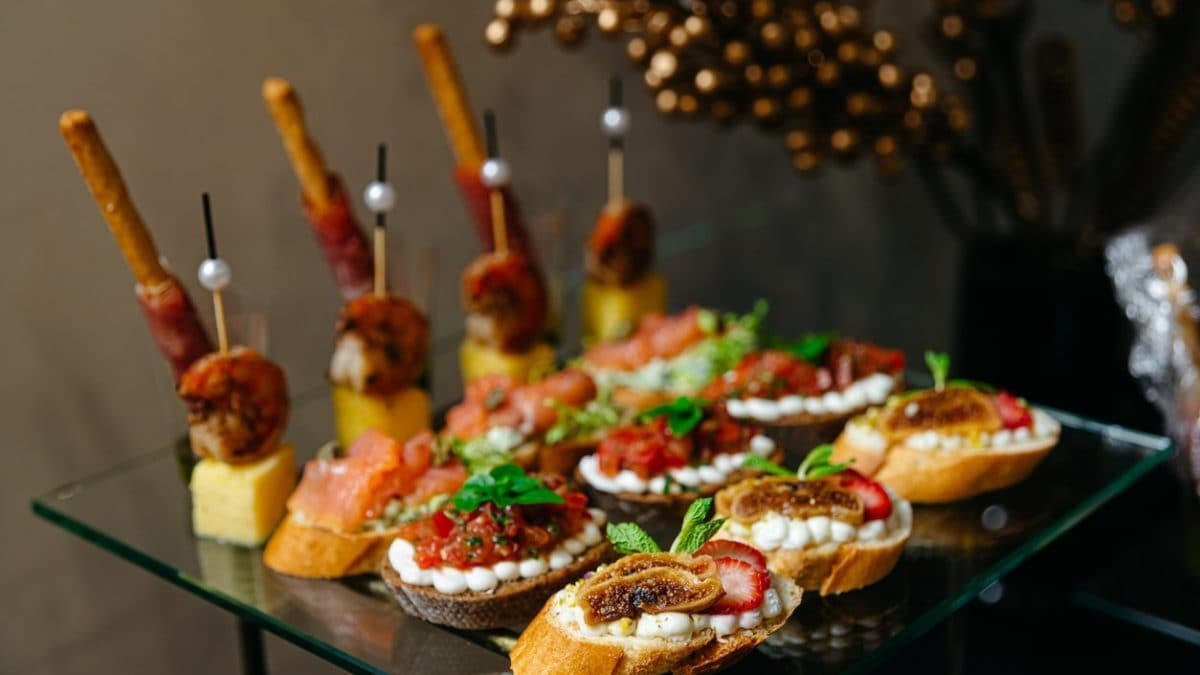
The appetizer or antipasto is often seen as a sort of obligatory act: a brief appearance on stage before the menu really begins. This is precisely why it is undervalued. In reality, it is the course that sets the tone for the dinner: it prepares the palate, raises expectations, and gives the diner the initial coordinates of where the gastronomic journey will take them. If the appetizer is wrong, it's not just a slightly lame start: it's like starting out with tight shoes and hoping the rest of the walk goes smoothly.
Planning a good appetizer therefore means thinking it through more clearly than you might think: portions, balance of flavors, structure, serving temperature, and the relationship with subsequent courses must all be in harmony. The most common mistakes almost always stem from the same problem: looking closely at the dish without looking at the menu as a whole. And the appetizer, more than any other course, suffers when it tries to stand out rather than do its job properly.
1. Excessive Abundance and Wealth
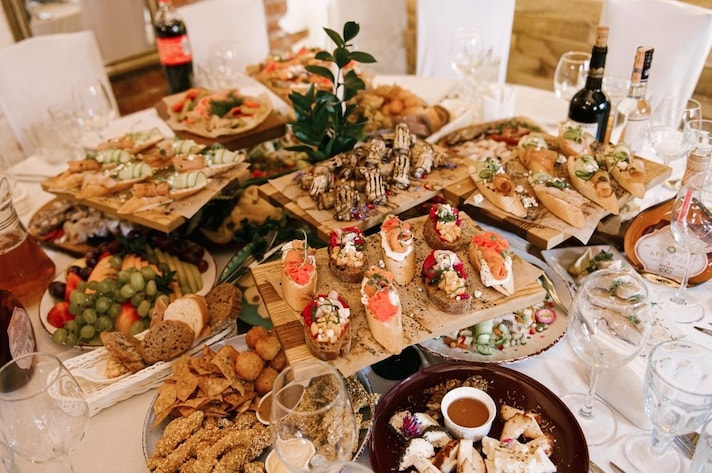
Technically, appetizers are meant to warm up the engine, not to shut it down. When they arrive at the table with generous portions or dishes too rich in fat and protein, something inelegant happens: the palate quickly tires. The consequence is a reduction in taste sensitivity, which especially penalizes the subsequent courses, those that should shine the most. In other words, the appetizer should never behave as if it were the main course.
2. Consistency Before the Creative Ego
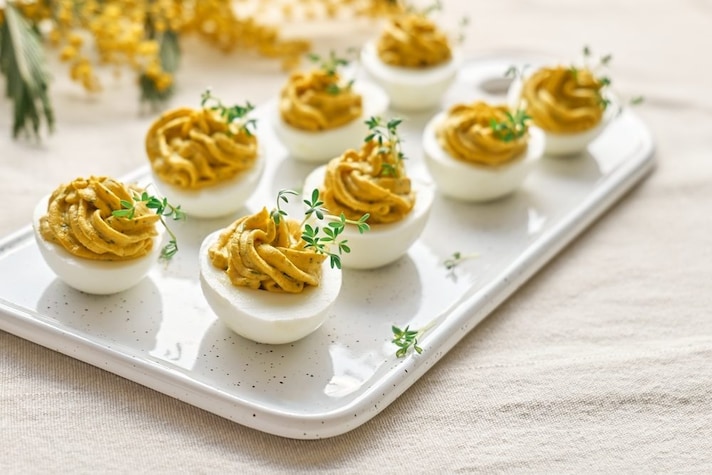
A good appetizer speaks a clear language: it can be territorial, seasonal, technical, or conceptual, but it must be legible. Juxtaposing ingredients at random, even excellent ones, only creates sensory confusion. From a gastronomic perspective, the appetizer should introduce a specific theme, not open seven parentheses at once, leaving the diner wondering where the menu is going. If you've decided that your menu has a specific theme, try to follow it even when considering the appetizer.
3. Flavor, Acidity and Fat Must Go Hand in Hand
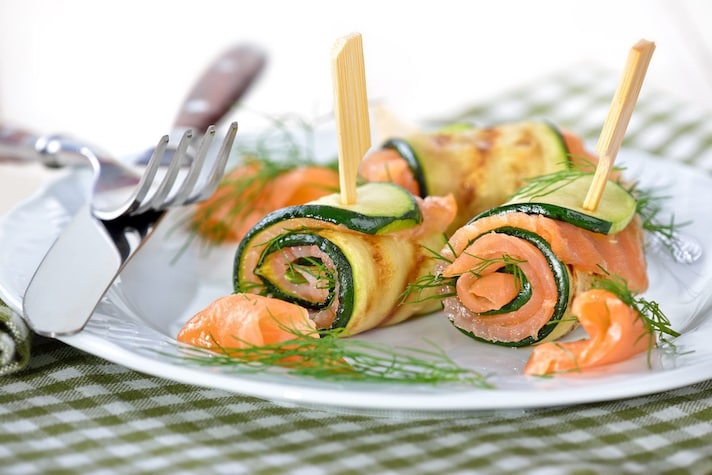
The primary purpose of an appetizer is to stimulate salivation. If it's too salty, too fatty, or marinated with excessive enthusiasm, it achieves the opposite effect: it tires the palate instead of preparing it. Technically, a compensatory element is always needed, something that cleanses and maintains the taste perception. The appetizer should invite the next bite, not prompt a pause for reflection.
4. Technique Yes, Exhibitionism No
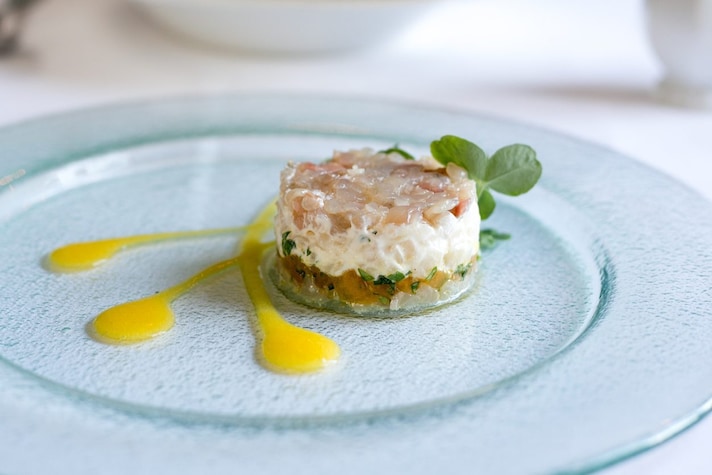
The appetizer should be the realm of simplicity. Complex techniques can also find their way into the appetizer, but with one fundamental condition: they must enhance flavor and texture. At this stage of the menu, technique should serve sensory clarity. When it becomes self-referential, the result is a dish that seems interesting to explain but less compelling to eat. And the appetizer, above all, should be enjoyed.
5. Temperature is Not a Detail
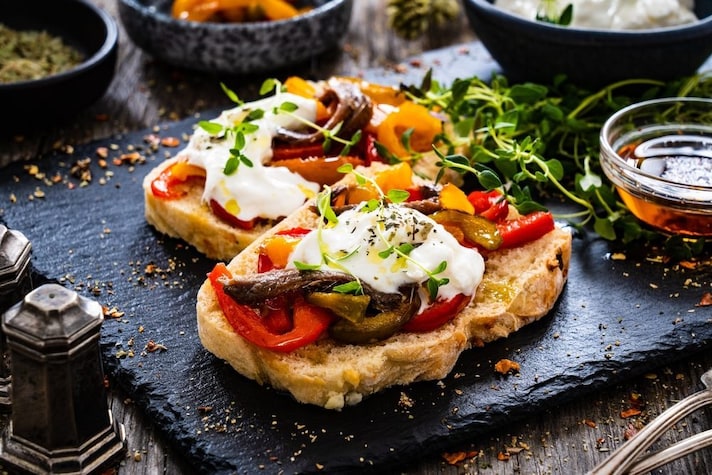
Serving temperature is an integral part of the dish, not a functional detail: it influences aroma, texture, and taste perception. Appetizers, more than any other course, suffer from waiting and require impeccable serving times. When hot and cold elements are served together, the temperature must be clear and legible, with components well separated or served so as not to interfere with each other. An appetizer that arrives lukewarm when it should be hot is uncreative: it's simply out of focus.
6. The Appetizer Must Know How to "Stay in Its Place"
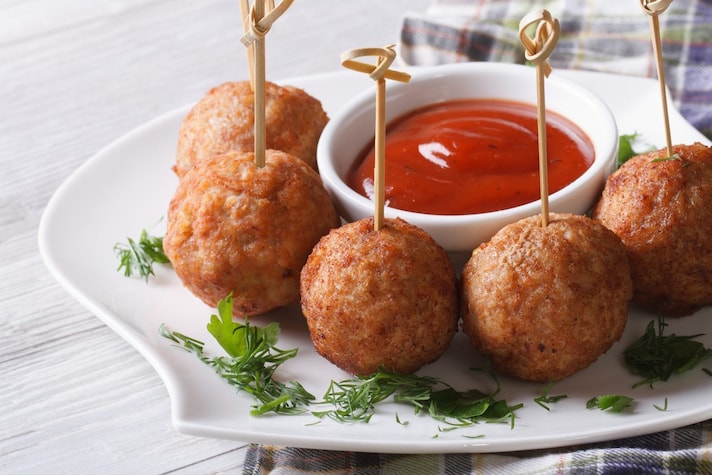
An appetizer doesn't exist alone, it exists within a progression. If it has a more complex structure or a longer aromatic persistence than the first course, something isn't right. Technically, it should have a controlled intensity and a shorter persistence than the main courses. Its role is to pave the way, not steal the show before the show even begins.
7. Designing With Everyone in Mind is a Skill, Not a Limitation
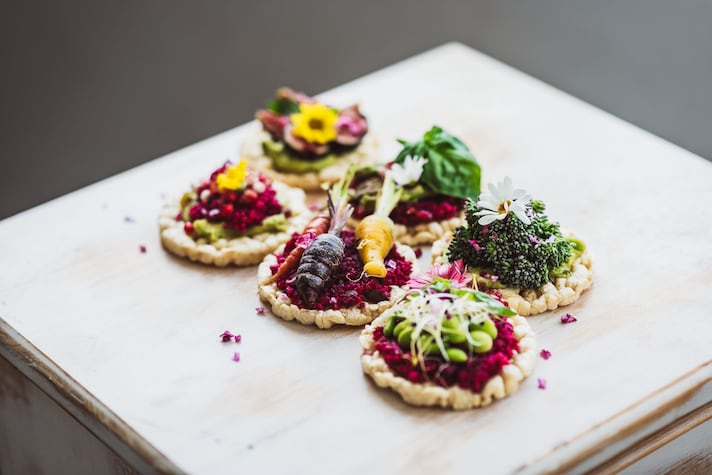
Today, designing an appetizer without considering common dietary needs is a technical flaw, not a stylistic choice. Including naturally plant-based or allergen-free alternatives demonstrates project control and professional awareness. It doesn't stifle creativity, it refines it: and often makes the dish more intelligent, as well as more accessible and inclusive.
8. Combinations That Complicate Rather Than Clarify

Appetizers should stimulate the palate, not challenge it: overly contrasting, redundant, or forced pairings create sensory confusion and make it difficult to interpret the dish. Ingredients that overlap in intensity, unbalanced sweetness, or isolated acidity end up competing rather than interacting. From a technical standpoint, a good appetizer pairing doesn't necessarily surprise: it accompanies, clarifies, and sets the stage for the subsequent courses.
;Resize,width=767;)
