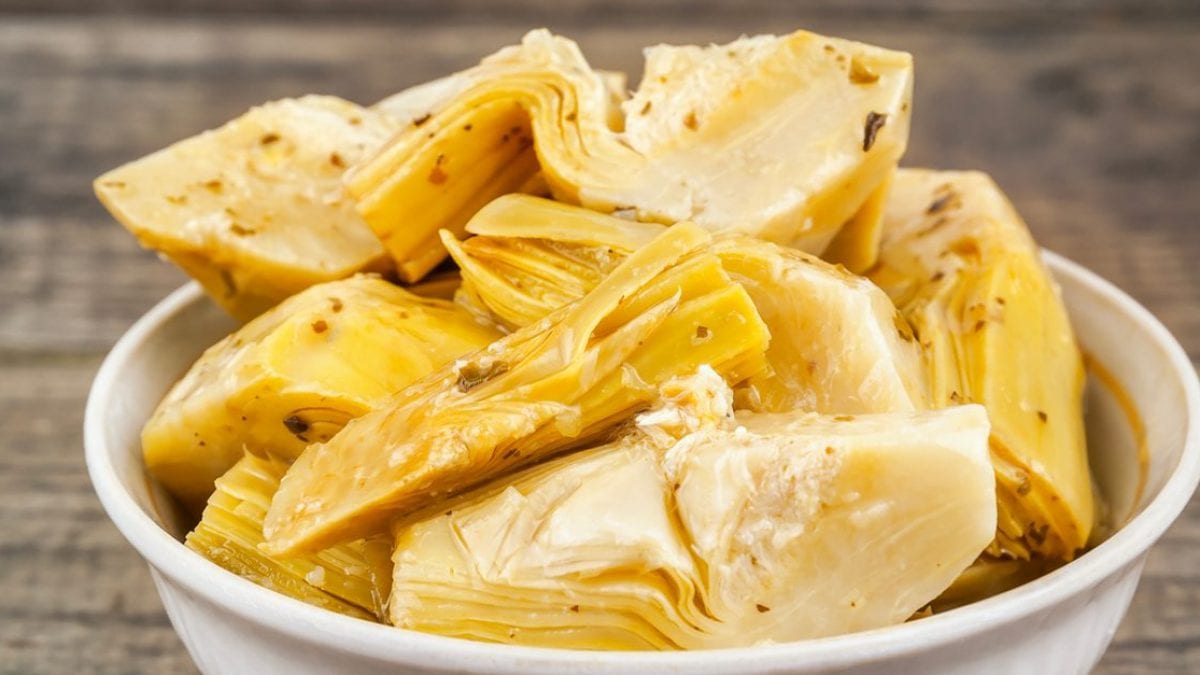
Belonging to the Asteraceae family, artichokes are typical Mediterranean vegetables, particularly loved for their distinctive flavor and great culinary versatility. Available from October to May, and grown primarily in California, Arizona, Texas and Louisiana, they can be eaten in a thousand different ways: excellent both raw, sliced into thin wedges and seasoned with lemon juice, oil, and salt, or cooked, preferably sautéed in a pan and left slightly crunchy, they are a treasure trove of fiber, vitamins, and precious minerals.
Rich in water and low in calories, they're great for keeping fit, helping us lose weight naturally and improving gut health. With the help of trusted experts, let's discover the properties and benefits of these vegetables, who should limit them—and why—and the best cooking techniques to preserve their excellent nutritional profile.
Artichokes' Properties
From a nutritional standpoint, artichokes are truly interesting foods: low in calories, with 33 calories per 100 grams, they are composed largely of water and plant fiber. They are an excellent source of vitamins, particularly vitamin C, and minerals such as sodium, potassium, calcium, and magnesium, which are beneficial for muscle and bone health. They also contain various plant compounds, including polyphenols, which belong to the large family of antioxidants.
Precisely thanks to their fiber content, and in particular inulin, a fermentable fiber with a prebiotic role, artichokes contribute to healthy intestinal function and increase the feeling of satiety, which is why they are often included in weight-loss diets. Powerful antioxidants and natural anti-inflammatories, they stimulate bile production and improve digestion and liver detoxification.
The leaves and tougher, fibrous parts, often discarded in cooking, are particularly rich in polyphenols. Unless there are any specific contraindications, which we'll discuss later, we shouldn't discard them and instead use them in purees, soups, risottos, or to prepare extracts and infusions to sip hot throughout the day.
Including artichokes in our meals helps us eat more balanced meals, but as always, it's not the single food that makes the difference: "the overall context of the diet counts," experts remind.

Artichokes' Benefits
An excellent source of fiber, micronutrients, and antioxidants, artichokes can be valuable allies for health and well-being. Let's discover their main benefits.
- Liver action: the presence of polyphenols, and in particular of cynarin, the most valuable active ingredient, responsible for the characteristic bitter taste, stimulates the secretion of bile, facilitates the digestion of fats and helps the liver to eliminate accumulated toxins;
- friends of the intestine: thanks to the richness of fibers and especially inulin, a dietary fibre with a prebiotic function, artichokes promote intestinal regularity and are particularly recommended if you suffer from constipation;
- allies of the figure, cholesterol and blood sugar levels: thanks to their good fiber content and exceptional water content, artichokes give an excellent sense of satiety and for this reason they are often included in diets aimed at weight control or loss; soluble fibers and antioxidants help reduce LDL cholesterol levels in the blood and make post-prandial blood sugar levels more stable;
- antioxidant activity: polyphenols, precious antioxidant substances which these vegetables are rich in, participate in the protection of cells from oxidative stress, help prevent chronic diseases and improve cardiovascular, metabolic and cognitive health;
- Detox effect: the presence of potassium and cynarin improves microcirculation and promotes diuresis, helping the body eliminate excess fluids and nitrogenous waste, and counteracting poor circulation, swelling, and cellulite.
Contraindications
True elixirs of well-being, artichokes are generally well-tolerated, but in some particularly delicate or sensitive individuals, they can cause bloating and intestinal discomfort, especially if consumed in large quantities or raw. This is due to their fermentable fiber content, particularly inulin, a soluble fiber belonging to the fructans family, naturally present in various plant foods. Unlike other fibers, inulin is not broken down by stomach enzymes, but reaches the large intestine intact.
This is where its role as a prebiotic comes into play. The term prebiotic refers to a substance that is selectively used by certain microorganisms in the intestinal microbiota, promoting their growth and activity. In other words, it represents a "substrate" for specific intestinal bacteria, particularly those associated with beneficial effects on health.
"The fermentation of inulin by the microbiota leads to the production of short-chain fatty acids. These molecules play an important role in maintaining intestinal health, contributing to the proper functioning of the intestinal barrier and the regulation of certain metabolic and inflammatory processes," explains the nutritionist. From a practical standpoint, a diet that regularly includes inulin-rich foods can help support a more diverse and efficient intestinal microbiota. On the other hand, it can cause bloating, gas, or intestinal discomfort if you're not used to a high intake of fermentable fiber or if you suffer from irritable bowel syndrome or dysbiosis.
"Those who suffer from gastrointestinal disorders should evaluate the quantities and cooking methods, perhaps preferring simpler, well-cooked dishes." A helpful approach is often to start with smaller portions, preferring gentle cooking methods (such as steaming or quickly sautéing artichokes in a pan with a drizzle of oil), and then evaluate individual response. The common mistake is to eliminate them entirely, when, in reality, the intestines should simply be retrained to tolerate them.

How to Use Artichokes in Cooking
In the kitchen, artichokes prove to be among the most versatile and adaptable vegetables: fragrant and with a complex, slightly bitter flavor, it's essential to know how to clean and care for them properly. To fully enjoy their beneficial properties and distinctive flavor, you can eat them raw, sliced into thin wedges and seasoned with lemon juice and a drizzle of extra virgin olive oil; alternatively, you can cook them and serve them in a thousand different ways.
"It's best to avoid cooking foods that are too high in fat and focus on simple recipes that enhance the food without distorting its nature," suggests a nutritionist. We can steam or boil them, just long enough to tenderize them and then use them to enrich a delicious egg or chickpea-based omelette; we can quickly sauté them in a pan with a drizzle of garlic and oil or bake them au gratin, sprinkled with Parmesan and breadcrumbs; creamed or sautéed, they can be added to a risotto or pasta dish or used to create creamy and creamy soups, topped with croutons and a creamy cheese for a delicious winter treat.
What are the recommended frequency and portion sizes? Artichokes can be eaten two or three times a week, always trying to vary as much as possible with other seasonal vegetables available, and a portion is about 150 grams of edible part (one medium artichoke).
;Resize,width=767;)
