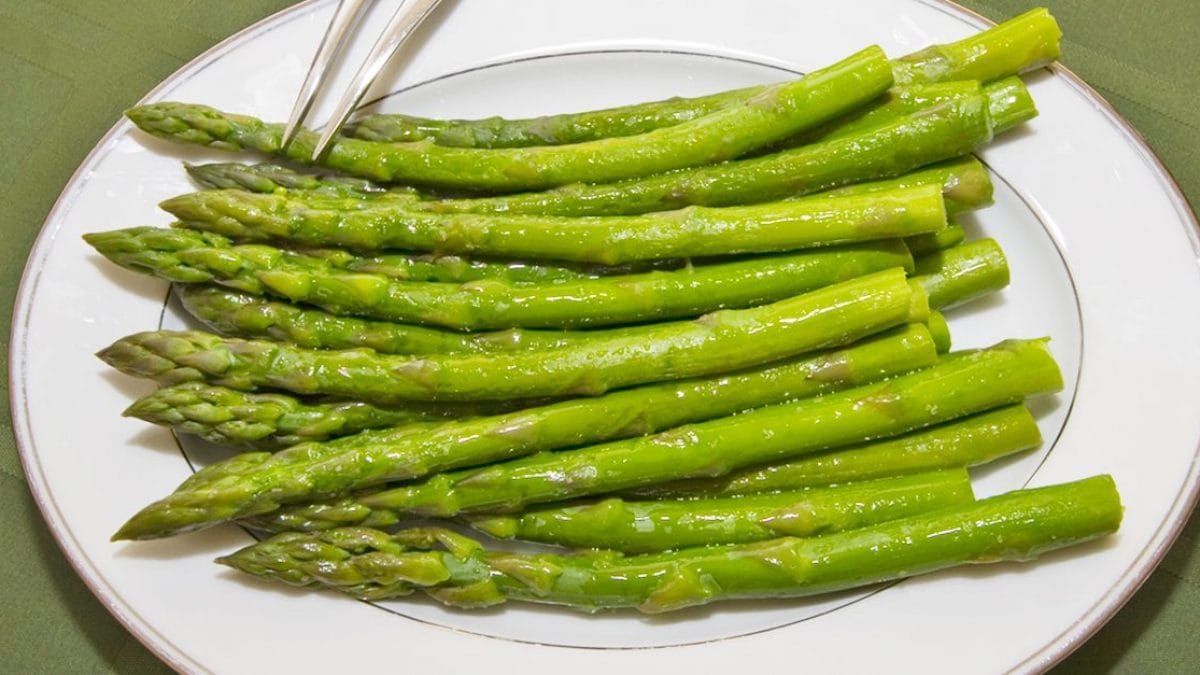
Asparagus is a typical spring vegetable, available throughout the season from March to May, with some varieties lasting until June. They are part of the large Liliaceae family and their generic scientific name is Asparagus: the cultivated species, that is, the one that most commonly reaches our tables, is called Asparagus officinalis, while the wild one, also edible, known as asparagina, is classified as Asparagus acutifolius. The edible part of the asparagus is called the shoot, which corresponds to the sprout, and is composed of a long, straight stem and an elongated tip, its most tender part. Wild asparagus is divided into different types, the best known of which are three, which differ based on their colour:
- In the United States, green asparagus is by far the most common variety, widely grown and consumed across the country. Because it grows above ground and receives direct sunlight, it develops chlorophyll, which gives the spears their deep green color and the slightly grassy, sometimes pleasantly bitter flavor many people associate with spring asparagus. Much of the U.S. crop comes from California, Washington, and Michigan, with California historically leading production.
- White asparagus, which grows underground and is shielded from sunlight, is much rarer in the U.S. Since it never develops chlorophyll, the spears remain pale and have a milder, more delicate flavor and a tender texture. While it’s a staple in parts of Europe, in the U.S. it tends to appear mainly in specialty markets, farmers’ markets, or high-end restaurants.
- Purple asparagus is the least common variety but has been gaining attention among American growers and chefs. Known for its vibrant violet color and naturally sweeter flavor, it is often associated with varieties such as Purple Passion, which are cultivated on a small scale in farms across states like California and New Jersey. Its tender texture and mild taste make it especially popular for eating raw or lightly cooked.
Asparagus' Properties and Benefits
From a health perspective, as part of a varied and balanced diet, asparagus represents a true ally for well-being. They are made up of 91% water and are very low in calories, 33 kcal per 100 g of product. Furthermore, they are practically free of fat and cholesterol, containing, however, a fair amount of fiber (2%). Among the mineral salts in which they are rich, potassium stands out (260 mg) and they are an excellent source of vitamin C, carotenoids, folates and vitamin A. What does this mean in practical terms? That asparagus is a low-calorie, diuretic food, with a detoxifying action for the liver and an antioxidant, promoting the fight against free radicals and cell reproduction. They are a food that promotes the proper functioning of the intestinal tract and blood circulation, therefore useful for lowering the risk of high blood pressure. Additionally, asparagus combats water retention, draining excess fluids, thus reducing the formation of cellulite. It's recommended during pregnancy, as folate—vitamin B9—prevents the onset of possible birth defects. An added bonus? Magnesium, potassium, and tryptophan appear to have an anti-stress effect, helping to combat anxiety and fatigue.

Asparagus' Contraindications and Side Effects
There are no particular contraindications to eating asparagus, but there are some important things to consider. Being a highly diuretic vegetable, this effect could interact with medications that have the same effect, so those who consume it are advised not to eat it. Secondly, even the fibers themselves, which are beneficial to the body, could become a source of discomfort, causing abdominal bloating, with symptoms such as excessive gas and cramps. Those who normally suffer from these should be careful. Furthermore, as previously mentioned, asparagus is a member of the Liliaceae family, like garlic, onion, and leek. If you have an allergy —although uncommon—to these foods, it's possible that the allergy also affects asparagus.

Why Do Asparagus Cause Your Urine to "Stink"?
A side effect that, however, has no health consequences, but is almost more of a curiosity, is urine that "stinks" after eating asparagus. This is a completely normal phenomenon, although the cause is still unknown, even though scientists have been studying it since the 19th century. It may be due to the metabolization process of asparagusic acid, a molecule composed of two sulfur atoms, but there are no definitive reasons. What has been proven, however, is that genetically not all people suffer from this inconvenience, just as not all people perceive its odor.
How to Use Asparagus in The Kitchen
The use of asparagus in cooking dates back to the Sumerians, with a decline in popularity in the Middle Ages, where it was considered a medicinal plant. It then returned to popularity in France in the 17th century, where it was particularly prized by the Sun King. Who can blame the king? Asparagus is a very versatile vegetable, suitable for use in a variety of recipes, both traditional and creative. The most important thing is to choose a product that is always fresh, regardless of the variety. The spear must be firm and tough, not mushy, the tips intact and closed, not open, and the color bright, not dull. When preparing the asparagus, it should be snapped by hand to remove the tougher lower part of the shoot: just apply light pressure and it will break at the right point.

The vegetable can be peeled with a vegetable peeler to remove the thick, stringy outer layer (don't throw it away; use it to make broth), or left on (which is often the case with white asparagus). Let's start by saying that the best way to fully enjoy all the benefits of this vegetable is to steam it, lightly boil it —preferably in its asparagus cooker, which allows it to stand upright so as not to submerge the tips—for no more than 5-7 minutes, and then quickly sauté it in a pan with a little fat (oil or butter) at a high temperature. In all three methods, the texture should remain pleasantly crunchy. A word of advice: don't throw away the boiling water: it can be recycled in a variety of ways, from a risotto basting liquid to a detox herbal tea, and even as fertilizer. Raw asparagus will keep in the crisper drawer for 8-10 days, while cooked asparagus will last a maximum of a couple of days in an airtight container.

Looking for ways to cook asparagus? In the U.S., this spring vegetable shows up in plenty of familiar dishes. It’s a natural partner for eggs, whether simply sautéed and served alongside scrambled eggs or folded into a fluffy omelet. Asparagus also works beautifully in risottos, creamy pastas, or baked casseroles, where its fresh flavor balances richer ingredients. When the weather warms up, it’s perfect for picnics and outdoor meals—think savory tarts, quiches, or even a slice of asparagus-studded quick bread. For easy appetizers and sides, try roasting the spears wrapped in bacon, topping them with Parmesan, or tossing them into a spring salad with cherry tomatoes, fresh mozzarella, and olives. And if you want a classic pairing, asparagus and shrimp are a natural match, especially in a bright seafood risotto or a light pasta dish.
;Resize,width=767;)
