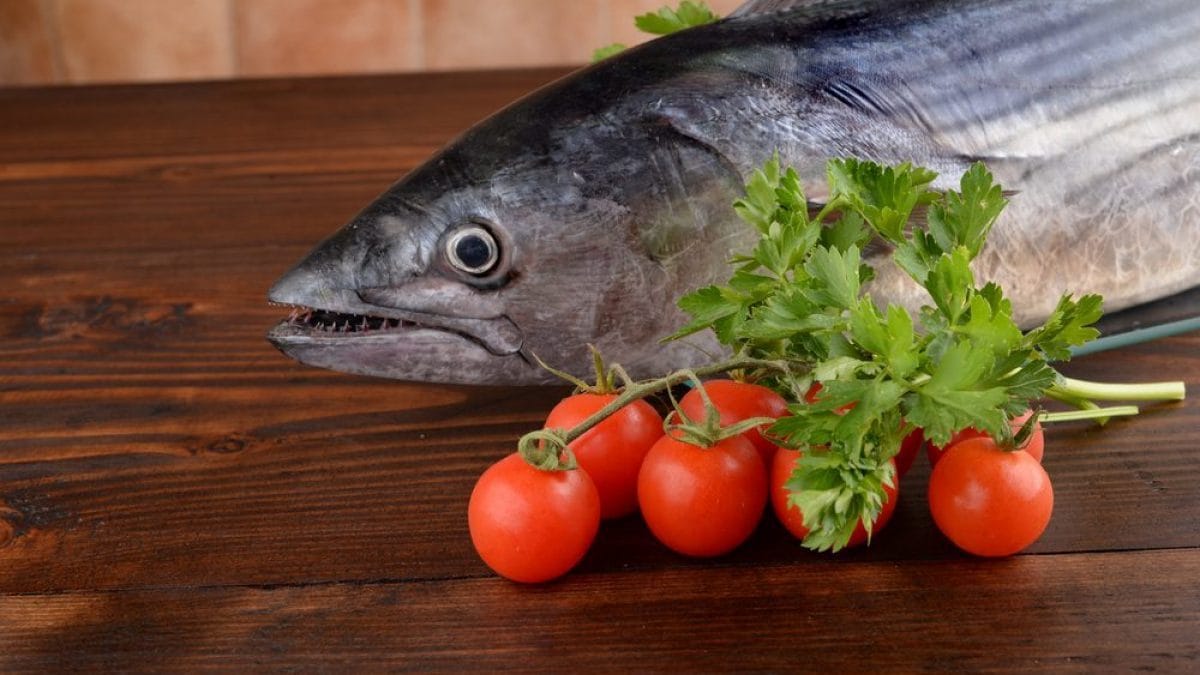
Bonito is a little-known fish, but you should learn to eat it more often because it's delicious and offers many health benefits. Its scientific name is Sarda sarda, and it's a saltwater bony fish belonging to the Scombridae family, widespread in the Mediterranean Sea, the Black Sea, and the Atlantic Ocean. So why is it so rare? Bonito has long been considered a less than delicious fish, primarily because its flesh has a much more intense marine flavor than that of other fish.
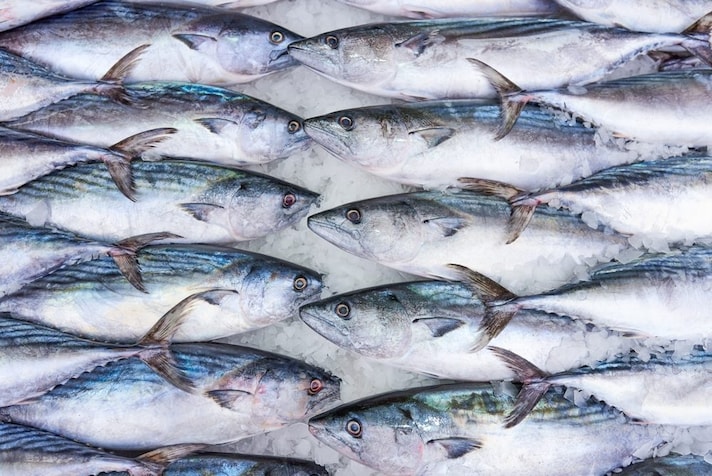
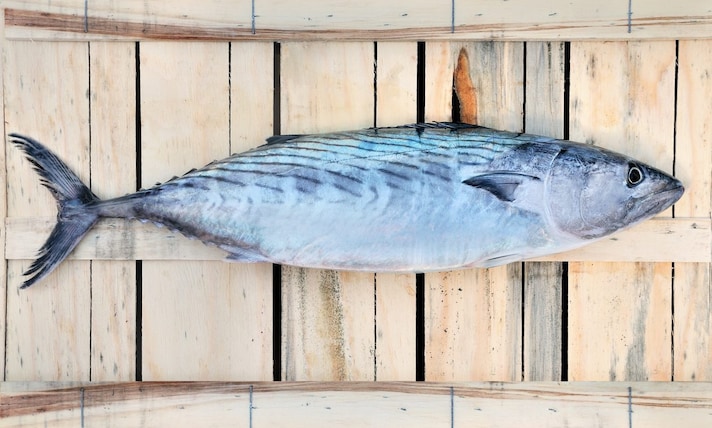
Today, however, with the rediscovery and revaluation of oily fish, bonito is increasingly appreciated: yes, its flesh is very tasty and with a hint of acidity, but it is also one of the most similar to tuna in texture and the fish itself even resembles it in its shape. This "poor man's tuna," as bonito has often been called, is a silvery blue fish, darker on the back, with lighter streaks on the belly, it lives in the open sea and moves in schools. Its flesh is firm and compact, very tasty, a characteristic that makes bonito very versatile in the kitchen, but despite its small size, this fish is also very rich in beneficial properties, with a good content of omega-3 fatty acids, vitamins and minerals. Let's look at the properties, benefits and possible uses of bonito in the kitchen.
Bonito's Properties and Benefits
It may be known as the "poor man's tuna," but there's very little that's poor about the nutritional profile of bonito. Like other oily fish, bonito is particularly rich in omega-3 fatty acids, as well as vitamins and minerals, particularly phosphorus, iodine, iron, and potassium. With a moderate but good-quality fat content —about 9.4 grams of fat per 100 grams of fresh product—bonito is a good source of high-biological-value proteins and vitamins. Among the B vitamins, niacin, riboflavin, and vitamin B6 are particularly noteworthy; vitamin D, a very important element for our body, is also present in a good amount. Reading the nutritional profile of bonito, it's not difficult to imagine the numerous benefits this fish can bring to our health, benefits confirmed by several scientific studies: here's what it's useful for if consumed regularly.
1. Helps Reduce Triglycerides
Omega-3s are among the most important nutrients you can get from fish, and bonito is particularly rich in them. This translates into a concrete help in improving your lipid profile: omega-3s, in fact, contribute to the reduction of triglycerides and, consequently, reduce the risk of heart disease and hypertension.
2. It is Useful in a Low-Calorie Diet
Bonito is one of the best fish to eat during a diet or for those who are particularly careful about their diet. Despite its moderate, not particularly low, calorie content, this oily fish is an excellent source of high-biological-value protein that promotes satiety and maintains muscle mass during weight loss.
3. Supports the Nervous System
One of the many benefits of omega-3s is supporting and protecting nervous tissue because they are essential fatty acids for the structure of nerve cell membranes. They also support cognitive function and contribute to brain health and the prevention of cognitive decline. Bonito is also a good source of B vitamins, including B12, essential for central nervous system metabolism, nerve protection, and the synthesis of neurotransmitters such as serotonin and dopamine. For this very reason, bonito is said to be an excellent aid in improving memory and positively influencing mood.
4. It is Useful in Case of Anemia
Bonito is a fish rich in heme iron, the form of iron most easily absorbed by the human body, a characteristic that makes the fish very useful in cases of iron deficiency and anemia. In addition to iron, it contains high biological value proteins and micronutrients crucial for the formation of red blood cells, such as vitamin B12 and folate, which help prevent specific types of anemia (megaloblastic anemia).
5. It Has Good Anti-Inflammatory Power
The omega-3 fats in bonito, combined with the mineral salts, have an anti-inflammatory effect. The good presence of zinc also contributes to the proper functioning of the immune system.
6. Supports Thyroid and Bone Health
The good iodine content of bonito contributes to normal thyroid function, while thanks to a good presence of phosphorus and potassium the fish is useful for protecting and supporting the well-being of bones and teeth.
7. It Has an Energizing Effect
Bonito, thanks to its high content of proteins, omega-3, vitamins and mineral salts such as iron and potassium, has a good energizing effect, which makes it the ideal fish for a meal that helps relieve stress and fatigue, both physical and mental.
Does Bonito Have Any Contraindications?
Bonito has no major side effects, except for those with a fish allergy, but it can cause digestive problems, especially for those who already suffer from gastritis or acid reflux. Beyond this, we recommend using the same precautions with bonito as with any other fish: it should only be purchased fresh to avoid the potential buildup of histamine, which is typical of older fish. Furthermore, as with all sea fish, it's advisable to vary the species you consume to limit exposure to potential environmental contaminants. Finally, we remind you of the need for blast chilling if you consume it raw, marinated, or cold-smoked to avoid the risk of infection by parasites such as anisakis.
How to Use Bonito in The Kitchen
Purchased fresh, whole or in pieces, bonito lends itself easily to a variety of preparations: filleted, it can be used as a filling for fresh pasta and ravioli, enjoyed with a fresh tomato sauce, or served in an elegant tartare for an alternative appetizer. Sliced no thicker than three centimeters, we recommend cooking it by grilling it for a few seconds on each side and then seasoning it with extra virgin olive oil, lemon, and parsley. It's also excellent baked in foil, preferably whole, with cherry tomatoes, garlic, salt, and pepper.
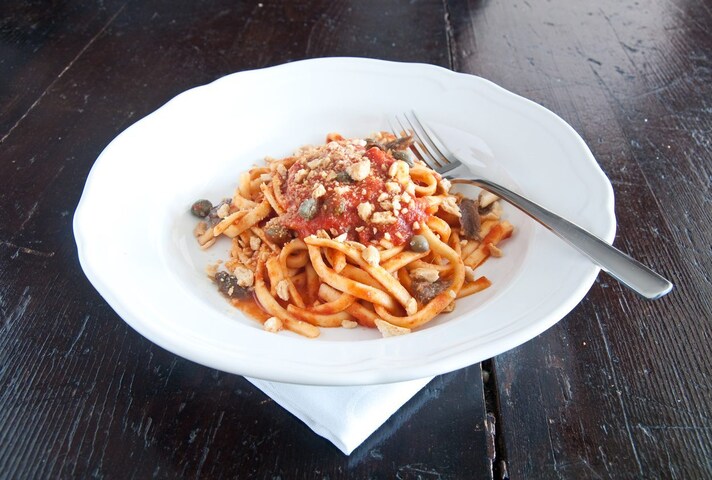
Thanks to its firm flesh, bonito is also delicious breaded and fried, but it also makes a great main dish: you can add it to spaghetti in a seafood ragù with pine nuts, raisins, mint, and wild fennel; or you could also toss it with cherry tomatoes, capers, and olives, a perfect condiment for a plate of short pasta. It is also often used to prepare rich pasta sauces, or you could use it to make a delicious preserve that rivals tuna. This is made by boiling the fish, cutting it into small pieces and then pickling it in oil with bay leaves, pepper, and a little chili pepper.
;Resize,width=767;)
