
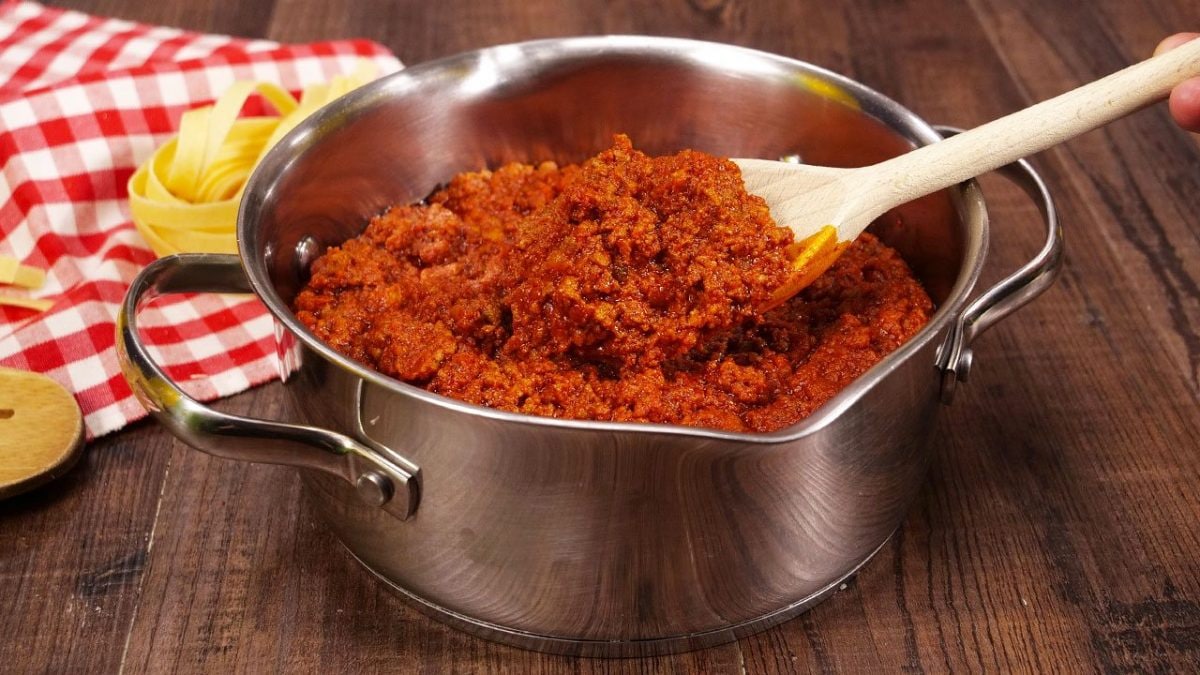
If you’re looking for the perfect Bolognese ragù recipe, this is it. Rich, slow-cooked, and deeply flavorful, this classic Italian meat sauce combines beef, pork, pancetta, and a delicate soffritto base. Finished with milk for a velvety texture, it’s the kind of dish that transforms a simple plate of pasta into something unforgettable.
Why Everyone Will Love This Recipe
This isn’t just any meat sauce—it’s the real deal.
- Deep, layered flavor from slow cooking
- A perfect balance of meat, tomato, and creaminess
- Traditional Italian technique with simple ingredients
- Ideal for pasta, lasagna, or even meal prep
- Tastes even better the next day
Comfort food, elevated.
What Is Bolognese Ragù?
Ragù alla Bolognese originates from Bologna, in northern Italy, and is one of the most iconic Italian sauces. Unlike tomato-heavy sauces, this version focuses on meat, enriched with a soffritto of onion, carrot, and celery, plus a touch of milk for softness.
It’s not rushed. A proper ragù simmers slowly, allowing flavors to meld into a rich, harmonious sauce—thick, aromatic, and deeply satisfying.
Cooking Tips
To achieve that authentic Italian flavor, keep these tips in mind:
- Chop the soffritto very finely for a smooth texture.
- Cook everything on low heat—patience is key.
- Use a mix of beef and pork for depth and richness.
- Let the wine fully evaporate before adding other liquids.
- Simmer gently for at least 2 hours (longer is even better).
- Stir occasionally to prevent sticking.
Frequently Asked Questions
What Pasta Goes Best With Bolognese Ragù?
Tagliatelle is traditional, but pappardelle or fettuccine work beautifully too.
Can I Use Only Beef?
Yes, but the combination of beef and pork gives a richer, more authentic flavor.
Why Add Milk to Ragù?
Milk softens the acidity of the tomatoes and creates a smoother, more balanced sauce.
Can I Make Ragù Without Pancetta?
You can, but pancetta adds depth and a subtle savory note that enhances the dish.
How Thick Should Bolognese Sauce Be?
It should be thick and not overly saucy—more meat than liquid.
Can I Cook It Faster?
Not really. A proper ragù needs time to develop its signature flavor.
How to Store
Let the ragù cool completely, then transfer it to an airtight container. Store in the refrigerator for up to 4 days. Reheat gently on the stovetop, adding a splash of water or milk if needed.
How to Freeze
Bolognese ragù freezes beautifully. Store in airtight containers or freezer bags. Freeze for up to 3 months. Thaw overnight in the refrigerator and reheat slowly
How to make Real Italian Bolognese Sauce Recipe

Start by preparing the classic Italian soffritto. Finely chop the onion, celery, and carrot until almost minced—this step is essential for creating a smooth, well-integrated base. Heat a drizzle of extra virgin olive oil (and a small knob of butter, if desired) in a large pot over low heat, then gently sauté the vegetables until soft and fragrant, without letting them brown.
Start by preparing the classic Italian soffritto. Finely chop the onion, celery, and carrot until almost minced—this step is essential for creating a smooth, well-integrated base. Heat a drizzle of extra virgin olive oil (and a small knob of butter, if desired) in a large pot over low heat, then gently sauté the vegetables until soft and fragrant, without letting them brown.
Add the pancetta and let it cook for a few minutes, releasing its fat and deepening the flavor of the base. At this point, incorporate the ground pork and beef, breaking them up with a wooden spoon. Let the meat brown slowly, stirring occasionally, until it loses its raw color and begins to develop a rich aroma.

Add the pancetta and let it cook for a few minutes, releasing its fat and deepening the flavor of the base. At this point, incorporate the ground pork and beef, breaking them up with a wooden spoon. Let the meat brown slowly, stirring occasionally, until it loses its raw color and begins to develop a rich aroma.
Deglaze with the wine, allowing it to evaporate completely—this step adds complexity while removing any harsh notes. Once the alcohol has cooked off, pour in the milk and season with salt and black pepper. Let it simmer briefly so the milk can blend into the mixture, softening the overall flavor.

Deglaze with the wine, allowing it to evaporate completely—this step adds complexity while removing any harsh notes. Once the alcohol has cooked off, pour in the milk and season with salt and black pepper. Let it simmer briefly so the milk can blend into the mixture, softening the overall flavor.
Stir in the tomato passata and the tomato paste, mixing well until everything is combined. Bring the sauce to a gentle boil, then reduce the heat to low, cover partially, and let it simmer slowly for at least 2 hours. Stir occasionally, allowing the ragù to thicken and develop its signature depth.

Stir in the tomato passata and the tomato paste, mixing well until everything is combined. Bring the sauce to a gentle boil, then reduce the heat to low, cover partially, and let it simmer slowly for at least 2 hours. Stir occasionally, allowing the ragù to thicken and develop its signature depth.
By the end of cooking, the sauce should be rich, thick, and deeply flavorful—never watery. Taste and adjust seasoning if needed, then serve with your favorite pasta.
;Resize,width=767;)
