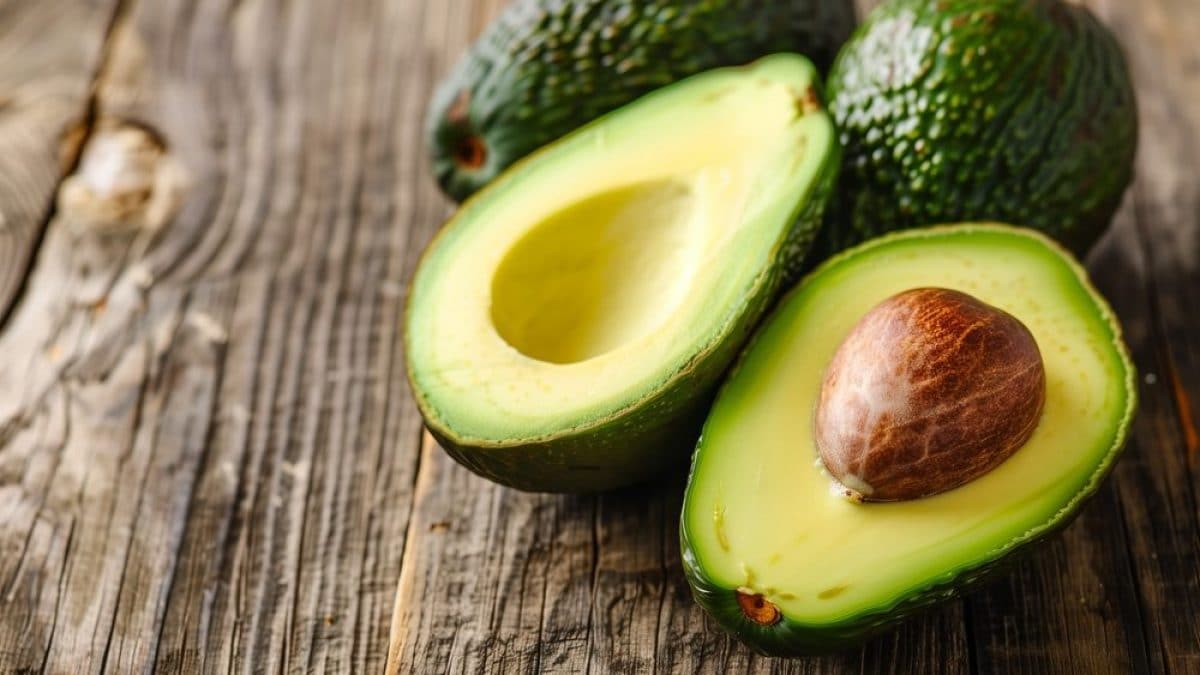
Avocado needs no introduction, a fruit that has become a true social media star, partly for the beauty of its bright green flesh, partly for its unique, unlike-its-kind flavor, and partly for its versatility as an ingredient in a wide variety of recipes, not only for its edibility but also for its beauty in photography. Once found only in Central America, this tropical fruit has now spread to the Mediterranean, thanks to high demand and climate change. The major cultivations in the U.S. are located in California and Florida where it has found an ideal habitat, thanks to the warm climate and fertile, welcoming lava soil.

But its soft, buttery texture isn't the only thing that makes avocados a fruit worth eating regularly (though sparingly, as they're high in energy). Avocados also have a rich nutritional profile, featuring healthy fats, potassium, fiber, and vitamins E, K, and C. This translates into a series of important benefits for the body. Let's analyze them together and also discover the (few) contraindications of this precious tropical fruit.
Avocado's Properties and Benefits
From a nutritional standpoint, the fruit boasts a truly interesting composition. It is a very energetic fruit —100 grams of pulp contain approximately 230 calories—but its energy comes from lipids, followed by low-biological-value proteins, and finally soluble carbohydrates. Cholesterol-free, it is rich in water, fiber, and monounsaturated fats, particularly oleic acid. It is also an excellent source of minerals, particularly potassium, magnesium, zinc, manganese, and phosphorus, folate, and vitamins E, K, and C. Its nutritional characteristics make it comparable to nuts, for which it is a valid alternative. Regular consumption of avocados in the right quantities can bring numerous benefits to your body: let's look at them in detail.

1. Lowers Cholesterol and Helps the Cardiovascular System
The main characteristic for which avocado is known is its exceptionally richness in "good" fats, namely monounsaturated fatty acids, which help balance blood levels of good and bad cholesterol, playing a protective role for the cardiovascular system. In particular, avocado, thanks to the substances it contains, rapidly lowers LDL (bad) cholesterol levels in the blood and, at the same time, increases good fats (HDL), leading to greater blood fluidity.
2. Protects the Liver
Indirectly, the fruit is also a liver protector: it helps the body produce glutathione, also known as GSH and a powerful natural antioxidant, capable of protecting the cells of the largest gland in the human body from various types of degeneration. Another function of this substance is the storage and elimination of waste products. It therefore plays a fundamental role in detoxification mechanisms, especially after a long period of eating disorders or drug therapies.

3. Stabilizes Blood Sugar
Avocado isn't just good for cholesterol, it's also good for blood sugar: the healthy fats in the fruit can keep blood sugar under control, preventing harmful spikes. A few slices of avocado can be an excellent way to balance out excess refined carbohydrates in a meal and, for example, curb post-prandial drowsiness.
4. Wards Off Degenerative Diseases
Omega-3 fatty acids, vitamin E, vitamin C, and other phytonutrients have an important antioxidant effect, counteracting the action of free radicals and consequently slowing the cellular aging process. This promotes general well-being for the skin, but also reduces the risk of developing degenerative diseases related to premature cell deterioration.
5. It Has a High Satiating Power
Its high content of healthy fats and fiber also makes it very filling and satisfying: for this reason, if consumed appropriately and in moderation, it can be consumed even by those on a low-calorie diet. The high concentration of dietary fiber also makes avocados useful for regulating intestinal transit, and the presence of water and plant fiber is important for "feeding" the bacterial flora.
6. It is a Natural Energizer
The exceptional amount of minerals, particularly potassium and phosphorus, makes avocado a true energy booster, which is why it's a staple in athletes' diets. Not only that: in addition to being an effective tonic, avocado is essential if you play sports or, in general, get tired and sweat a lot. Why? Potassium helps maintain or restore proper fluid and salt balance at the cellular level and therefore helps restore electrolyte balance. Not only do the kidneys and bones (which become more resistant to osteoporosis) benefit from this, but also the muscles, thanks to its ability to counteract cramps.
Natural Cosmetics
Avocado oil is widely used in cosmetic products and is ideal for treating dry and chapped skin. It is also a great ally for hair care, especially in masks aimed at hydrating hair. Its high palmitoleic acid content makes this oil very well tolerated and therefore suitable for sensitive and damaged skin.

Avocado's Contraindications
Avocado has few contraindications, but it's important to know them to understand if you fall into one of the situations where it's advisable to consume it in moderation or avoid it altogether. First of all, the fruit can trigger allergic reactions if you already suffer from allergies to latex or other fruits and vegetables such as bananas, kiwis, peaches, chestnuts, melons, tomatoes, and potatoes. Avocado can counteract the action of anticoagulant medications, and in some people, the fiber contained in the fruit may cause intestinal problems due to its laxative effect. Be careful about consuming avocado even if you're following a strict low-calorie diet with the goal of weight loss, as it's a fruit with a much higher calorie intake than average.
;Resize,width=767;)
