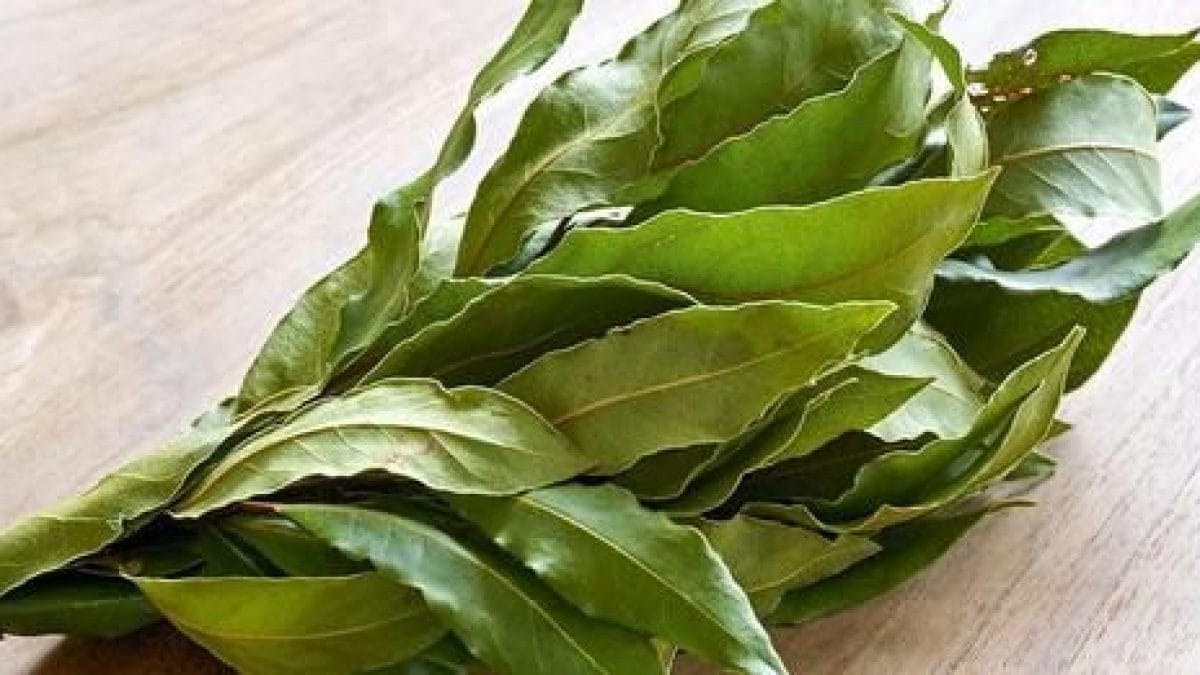
If you've always thought of bay leaf as a simple ingredient in broths and digestive teas, think again: bay leaf is actually a food rich in benefits. Laurus nobilis is a plant from the Lauraceae family that has powerful purifying properties and is extremely useful for fever, sore throat, and cough. Let's take a look at all its benefits and how to best use it.
Why Laurus Nobilis?
Not many people know that laurel was a sacred plant for both the Greeks and the Romans, a symbol of glory and wisdom. Mythology has it that Daphne, the nymph with whom Apollo fell in love, was transformed into a laurel to avoid the god's advances. Once transformed into a plant, Apollo placed it in his garden and vowed to wear it on his head in the form of crowns forever. He also decreed that humans, too, should celebrate their parades in the Capitoline Hill with laurel leaves. It's no coincidence that the victors of the Pythian and Delphic games were awarded a laurel wreath, as were poets. Even today, in various countries, new graduates are "crowned" in this way to recognize the knowledge they have acquired through their studies.
Laurel's Benefits
Known primarily for its ability to aid digestion, bay leaves actually have many beneficial properties that few people know about. Here's what they are.
- As mentioned, laurel is capable of preventing acidity and reducing annoying intestinal gas, aiding digestion: it owes this property to two of its components, cineole and eugenol;
- the leaves and berries are able to exert a diaphoretic action, useful for helping and stimulating sweating: it is used as a home remedy to speed up recovery in cases of fever and flu;
- laurel is an expectorant, perfect for eliminating both dry coughs and bronchial catarrh;
- anti-inflammatory and astringent, laurel is very useful for reducing pain due to rheumatism and arthritis;
- it helps regulate menstrual flow, but it is also useful in cases of anxiety and stress;
- its leaves contain lauric acid, useful for keeping the skin young but also for keeping insects and parasites away, thanks to its repellent properties.
Laurel is Not Toxic, a False Myth That Needs to Be Dispelled
Many people believe that laurel is toxic, but this isn't the case: this misinformation stems from confusion between the Laurus nobilis plant and that of Prunus laurocerasus, also known as cherry laurel or royal laurel, a shrub belonging to the Rosaceae family. Native to Asia and Western Europe, it is widespread as a single ornamental plant or as a hedge and is toxic to humans, but it is easily distinguishable visually from the laurel we use in cooking.
Is Laurel Better Fresh or Dry?
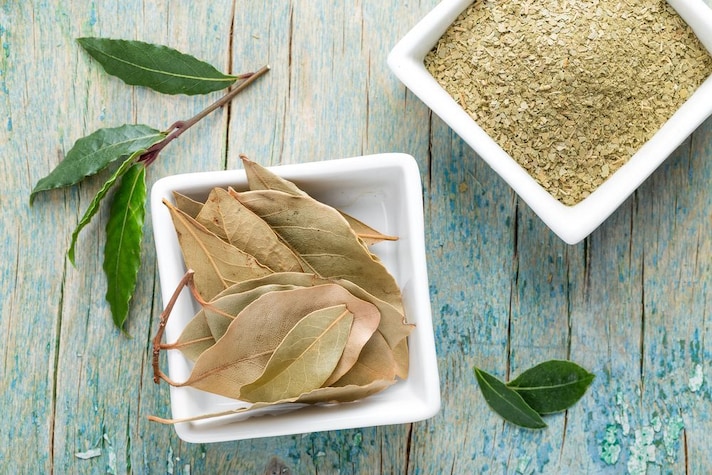
In cooking, bay leaves can be used both dry and fresh; the dry variety is generally preferred because fresh bay leaves have a very intense flavor and are difficult to control: the leaf is tough and resistant. Dried bay leaves, on the other hand, have a more delicate aroma and a more nuanced flavor and are easy to use in the kitchen because they crumble with a light pressure of the hand or knife (and can also be used as whole leaves).

How to Use Bay Leaves in Cooking
In the United States, bay leaves play a quiet but essential role in many regional dishes. They’re a staple in Louisiana Creole and Cajun cooking, where they help build the deep, aromatic base of gumbo, jambalaya, and red beans and rice. You’ll also find them in New England chowders, Midwestern pot roasts, and Southern stews and braises, where their subtle herbal flavor brings depth without overpowering the dish. Many American home cooks rely on bay leaves when simmering soups, stocks, and slow-cooked meats, and they’re commonly added to chilis, tomato sauces, and pulled pork. Some even use them to infuse flavor into homemade pickles or cocktail syrups. Though they’re removed before serving, bay leaves leave behind a warm, savory backbone that makes countless American comfort foods taste more complete.
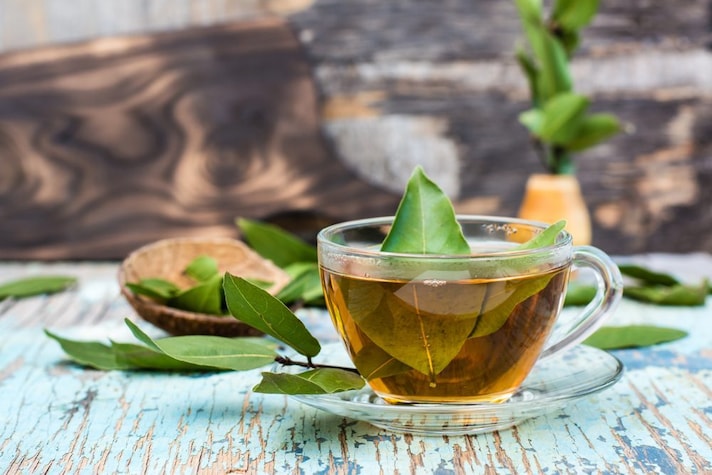
Naturally, bay leaves are mainly used in herbal teas, thanks to their digestive properties: to prepare one, simply place 3-5 bay leaves in a cup of water and drink the infusion while it is still hot.
;Resize,width=767;)
