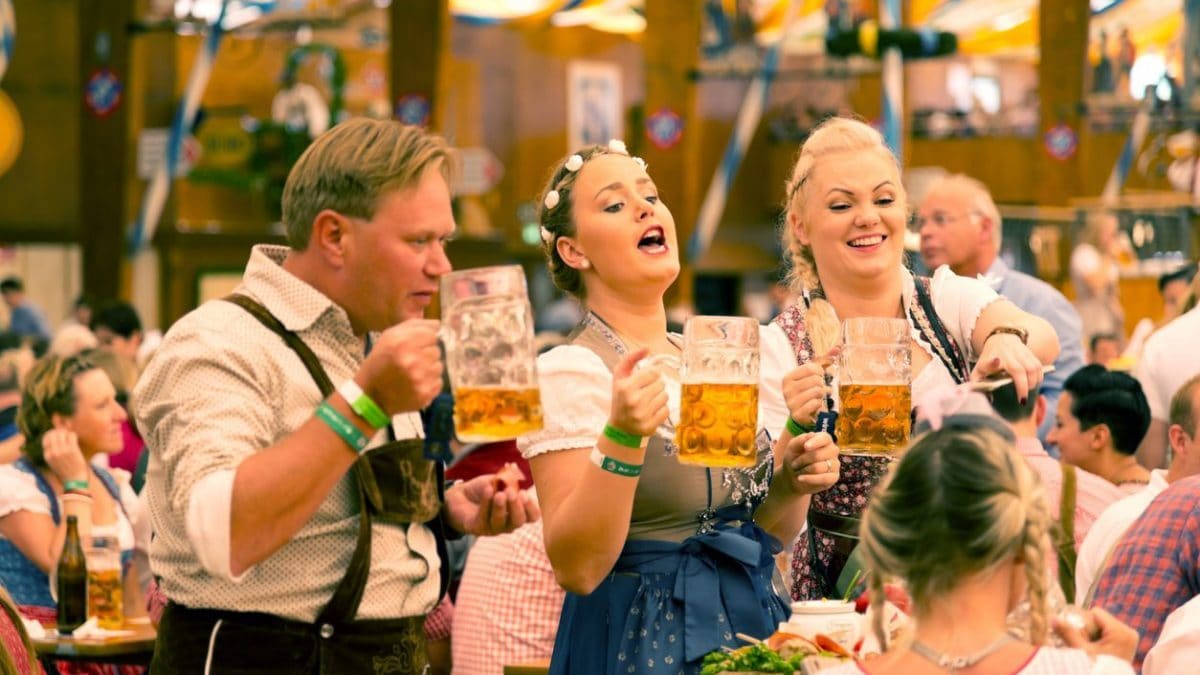
Beer is at the heart of Germany, home to traditions, festivals, and toasts celebrated annually in honor of this beverage. But something is changing: beer consumption in the country appears to have collapsed. For the first time since statistics began in 1993, it has stopped flowing from German mugs, marking a historic decline. In early August, the country's Federal Statistical Office announced that the first six months of 2025 saw the lowest sales figures recorded since 1993. A 6.3% drop compared to 2024, comparable to the decline in 2020 during the pandemic, when for obvious reasons bars and restaurants were closed. So, are we talking about a betrayal of sobriety? A sign of cultural change? Or the inevitable consequence of a system caught between excessive prices and increasingly selective young people? Let's take a look at what's really happening.
Has Beer Become an Economic Luxury?
This trend has been ongoing for several years. Germany is the country that produces the most beer in all of Europe; there are now over 1,500 breweries on German soil. In 1994, Berlin and its surrounding areas consumed approximately 133 liters of beer per capita; by 2024, that figure had fallen to just 88. It ‘s also true, however, that compared to those years, the price of beer has increased by 22% due to energy costs that impact the production processes, from brewing to cooling the wort. Inflation is also a factor, causing fewer and fewer people to eat in restaurants and, if they did choose to, they would avoid consuming alcohol to lower the final bill.

A generational factor must also be considered in this whole story. Today's young people are less attracted to alcohol for reasons related to health, sustainability, and an increasingly attentive and conscious lifestyle. The market for non-alcoholic beers and hybrid drinks like Radler, i.e., beer mixed with soda or lemonade, is growing and is beginning to win over those interested in a lighter drink. All of this testifies to a transformation: it's not that beer is disappearing from the radar, but it's transforming into lighter alternatives that are different from traditional alcoholic experiences.
A New Beginning
So is this a crisis or an evolution? The fact is clear: what was once a symbol of sociality and tradition is now faltering in the face of new socioeconomic and cultural paradigms. And Germany now finds itself facing a new beginning. Yet in the family-run microbreweries of Franconia or in the thousand-year-old laboratories of Weihenstephan Abbey (the oldest brewery in the world), beer continues to endure, a witness to an ever-evolving history.

One last thing: what about Oktoberfest in the future. What should we expect? It's true that this year saw the lowest beer consumption in Germany since 1993, but it's also true that the festival's tradition will remain pristine. There's a concern about change, and it's making itself felt, but this could be a new beginning even for a global event like Oktoberfest, where data shows a growing interest in non-alcoholic options. In short, perhaps this is the real challenge: we shouldn't fight decline, but, in a changing world, we must reinvent ourselves, perhaps while keeping traditions, knowledge, and even flavors intact.
;Resize,width=767;)
