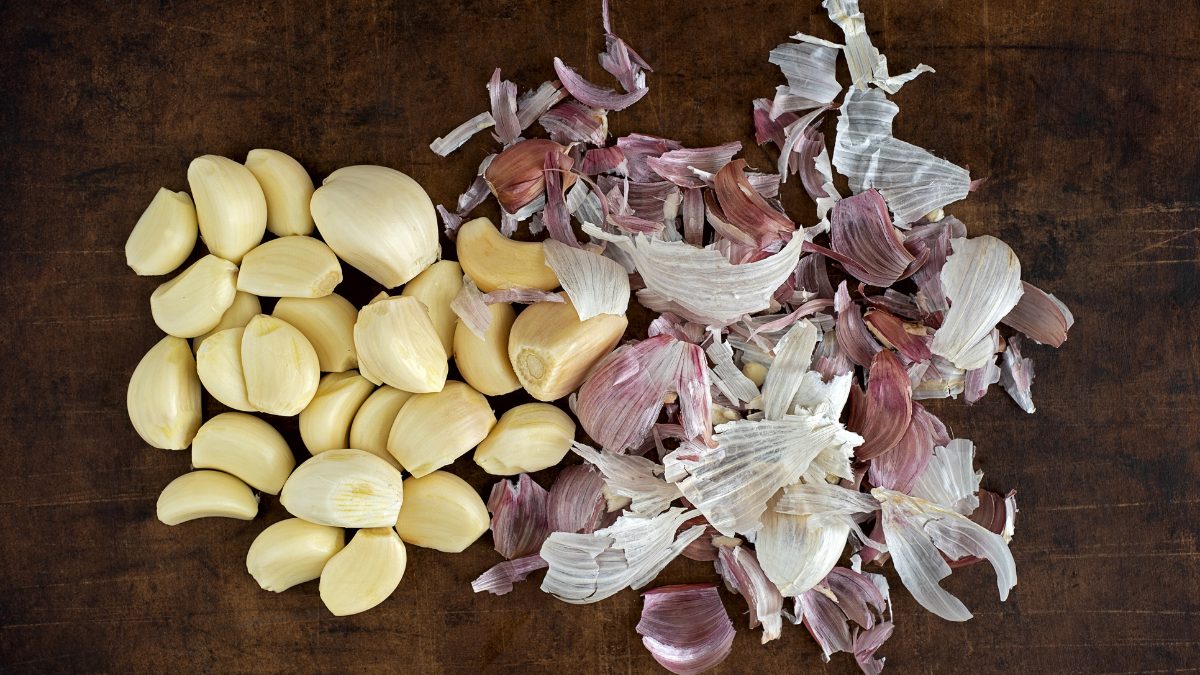
Garlic is one of those kitchen staples that nearly every cook loves for its bold flavor and versatility. Whether you're roasting it, adding it to sauces, or using it as the key ingredient in a garlic bread recipe, it's hard to imagine a world without this savory powerhouse. But then comes the question: What about the skin? You know, the papery, thin outer layers that wrap around the garlic cloves. Can you eat garlic skin, or should you toss it in the compost bin like most people do?
Well, the short answer is: Yes, garlic skin is technically edible, but that doesn’t mean it’s always a good idea to eat it. Let’s break down the details.
Why Garlic Skin Is Technically Edible
Garlic skin is made of natural cellulose and fiber, and in small amounts, it’s not going to harm you. In fact, it could even provide some health benefits, as the outer skin contains compounds like antioxidants and allicin, the sulfur compound that makes garlic such a nutritional powerhouse. If you really wanted to, you could eat garlic skin, especially if you roasted the whole bulb and the skin softened along with the garlic inside. But just because you can eat it doesn’t necessarily mean you should.
The Texture and Flavor Dilemma
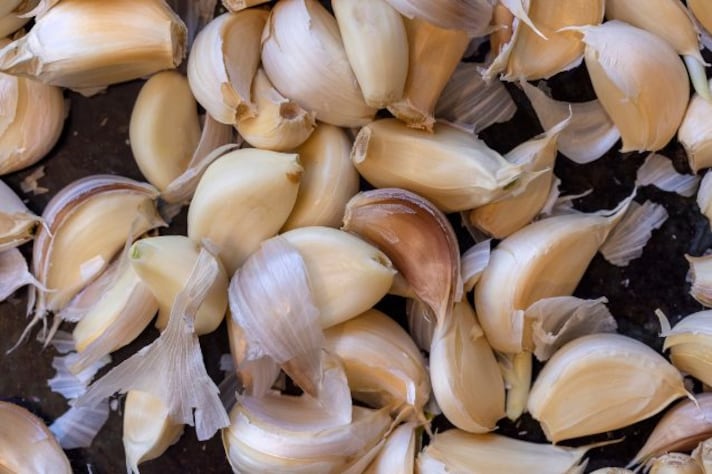
Garlic skin has a very papery and tough texture, which isn’t exactly appetizing or easy to digest. It’s not going to add anything in terms of flavor, and eating it could result in a somewhat unpleasant experience. So while eating a tiny bit by accident won’t hurt you, it’s probably not something you’ll want to intentionally include in your meals.
If you’re roasting garlic, the skins often become soft and can be easily removed after cooking, making it a non-issue when it comes to eating the garlic. But if you’re just chopping raw garlic for a stir-fry or sauce, the skins should definitely be discarded to avoid a tough, bitter bite.
When It Might Be Okay to Eat the Skin
There are a few scenarios where eating garlic skin might actually be beneficial:
- Roasting Garlic: When you roast garlic, the skins often become tender and slightly sweet. If you enjoy roasted garlic, you can even eat the roasted skin along with the cloves.
- Infused Oils or Broths: If you're making an infused garlic oil or broth, the skins can be used to enhance flavor in the cooking process, and you can easily strain them out afterward.
- Making Homemade Garlic Powder: If you’re dehydrating garlic for homemade garlic powder, you can include the skins. Once dried, they can be ground along with the garlic cloves, contributing a mild flavor.
;Resize,width=767;)
