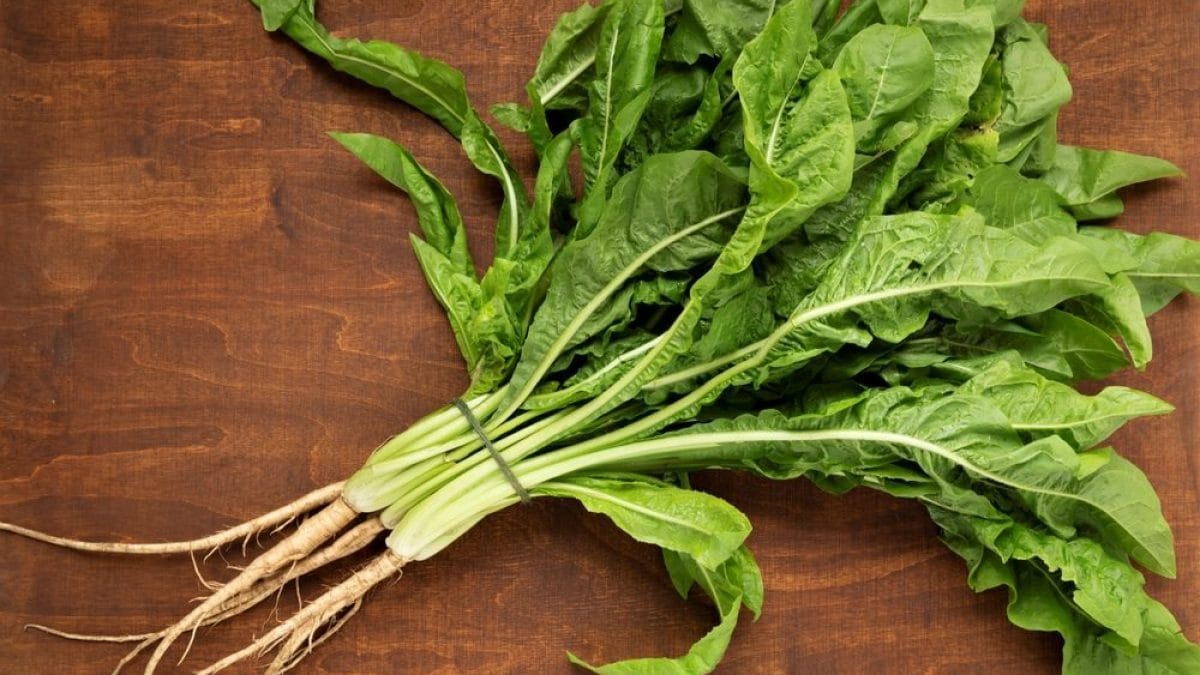
Chicory is a broad-leafed vegetable with an unmistakable bitter flavor and a bright green color, belonging to the Asteraceae family. It is a very ancient vegetable, so much so that even the Romans loved it: they used to eat it both raw and cooked, especially sautéed with garlic and oil (still a popular side dish today). It was also often cited by physicians of the time, including Galen, and naturalists like Pliny the Elder, for its digestive properties and beneficial effects on the liver.
This vegetable, in fact, is not only tasty, but also very beneficial: purifying and diuretic because it is composed mainly of water, rich in vitamins and minerals, antioxidants and anti-inflammatory substances, chicory has a nutritional profile that makes it a true natural medicine, so much so that it is often used in herbal and pharmaceutical fields. And no matter which variety you choose, they all boast the same properties and are very beneficial: whether it's wild chicory, the most common in ancient times and still very popular today, or Catalogna chicory (or asparagus chicory), or even red Treviso chicory, this vegetable is always an excellent addition to your diet.

It's true, its bitter taste isn't everyone's cup of tea, but you can easily tone it down before cooking it: after cleaning it, soak it for a few minutes in water and baking soda, then boil it, drain it, and dry it. Now that you know how to make its flavor more pleasant, you have no more excuses to include chicory in your daily diet: we'll tell you all the benefits you can get from it.
Chicory includes numerous varieties, all sharing a characteristic bitter flavor but differing in appearance and culinary uses. Common chicory is among the most common and is primarily consumed cooked for its bold flavor. Catalogna chicory, also known as asparagus chicory, has long, jagged leaves and produces characteristic central shoots called puntarelle, excellent eaten raw. Wild chicory and cicorione are rustic varieties with an intense flavor, tied to rural tradition. Cicorino, more tender and delicate, is ideal for fresh salads. Completing the picture are Belgian chicory or endive, with a sweeter flavor and compact shape, and radicchio, whose red varieties combine bitterness and elegance in the kitchen.
Chicory's Properties and Benefits
Just reading the nutritional profile of chicory is enough to understand how healthy it is: composed primarily of water (93 grams per 100 grams), it has a very low calorie content—just 10 kcal per 100 grams of chicory, rising to 23 for wild chicory—which is why it is recommended for those following a low-calorie diet or wanting to lose weight. Chicory is rich in minerals including potassium, zinc, phosphorus, sodium, magnesium, iron, and calcium; it is also rich in vitamins (C, E, B1, K); it also contains chicoric acid (which gives it its bitter taste) and folic acid. A little curiosity: toasted chicory root is an excellent substitute for coffee, although it should be consumed sparingly and is not suitable for all medical conditions (for example, pregnancy). How does all this translate into benefits for our body? Here are some of the ways in which chicory is a great ally for our health.

1. It's a Natural Detox
Because it's primarily composed of water, chicory is one of the best vegetables for natural detoxification: purifying and diuretic, it's a valuable aid in stimulating diuresis and eliminating toxins, keeping the body clean and hydrated. Furthermore, thanks to this detoxifying effect, chicory is excellent for stimulating liver function and supporting healthy kidney function.
2. Digestive System Support
Chicory's positive effect on the liver also translates into general support for the digestive system. This is because chicory contains a high level of dietary fiber and a substance called inulin, a non-absorbable sugar studied for its various functions, including promoting intestinal activity, ensuring proper bowel function and regularity. This makes chicory an exceptional ally for those suffering from constipation, as it can produce laxative effects. At the same time, the presence of fiber is beneficial for ensuring a prolonged feeling of satiety, helping to regulate hunger pangs, which is why it is a popular vegetable in weight-loss diets.
3. Fights Free Radicals
Thanks to its high vitamin E content and richness in polyphenols, flavonoids, and carotenoids, chicory has excellent antioxidant properties: it can reduce free radicals, thus protecting cells from oxidative stress and combating cellular aging. This translates into an important preventative function in reducing the risk of neurodegenerative diseases and cancer, as well as providing significant support for cardiovascular health.
4. Support for the Immune System
It is precisely this anti-inflammatory effect that makes chicory excellent for supporting the immune system. This is particularly due to its rich content of vitamins (especially C, A, and B vitamins), minerals, and antioxidants such as polyphenols and inulin, which strengthen the immune system, reduce inflammation, and promote a healthy gut microbiome, crucial for developing the immunity that protects our body, especially during the flu season.
5. Reduces the Absorption of Cholesterol and Glucose
Chicory is included in low glycemic index foods. It is therefore excellent for consumption by those suffering from diabetes or who need to monitor their blood sugar, as it appears to be able to lower glucose levels. It also helps maintain low blood sugar and lipid levels, counteracting "bad" cholesterol and triglycerides.
6. Helps Oral Health
One of chicory's lesser-known properties is its powerful role in oral health: the chicoric acid it contains is an excellent natural antibacterial, capable of counteracting gum inflammation. Furthermore, its fibers, especially inulin, nourish good gut bacteria, creating a healthy microbiota that supports oral health.
Chicory's Contraindications
Chicory is generally considered a safe food, but in some cases it should be consumed sparingly or avoided altogether, especially (and obviously) if you are allergic to any plant in the Asteraceae family. Be careful when consuming chicory, especially if you suffer from intestinal problems such as bloating and flatulence, which can be exacerbated by the fiber in chicory, or if you have gastritis or ulcers. In the latter two cases, especially, it's best to avoid consuming it altogether to avoid worsening the condition due to intestinal fermentation caused by the vegetable's inulin content.

If you suffer from kidney stones, be careful, as chicory contains oxalates that could stimulate their formation. Therefore, it's best to consume it sparingly or avoid it altogether, depending on your specific situation. Chicory is also not recommended for pregnant women: although it's rich in nutrients, it contains active ingredients that could stimulate uterine contractions, increase the risk of bleeding, and, if not washed properly (like all raw vegetables), can carry toxins such as toxoplasmosis.
;Resize,width=767;)
