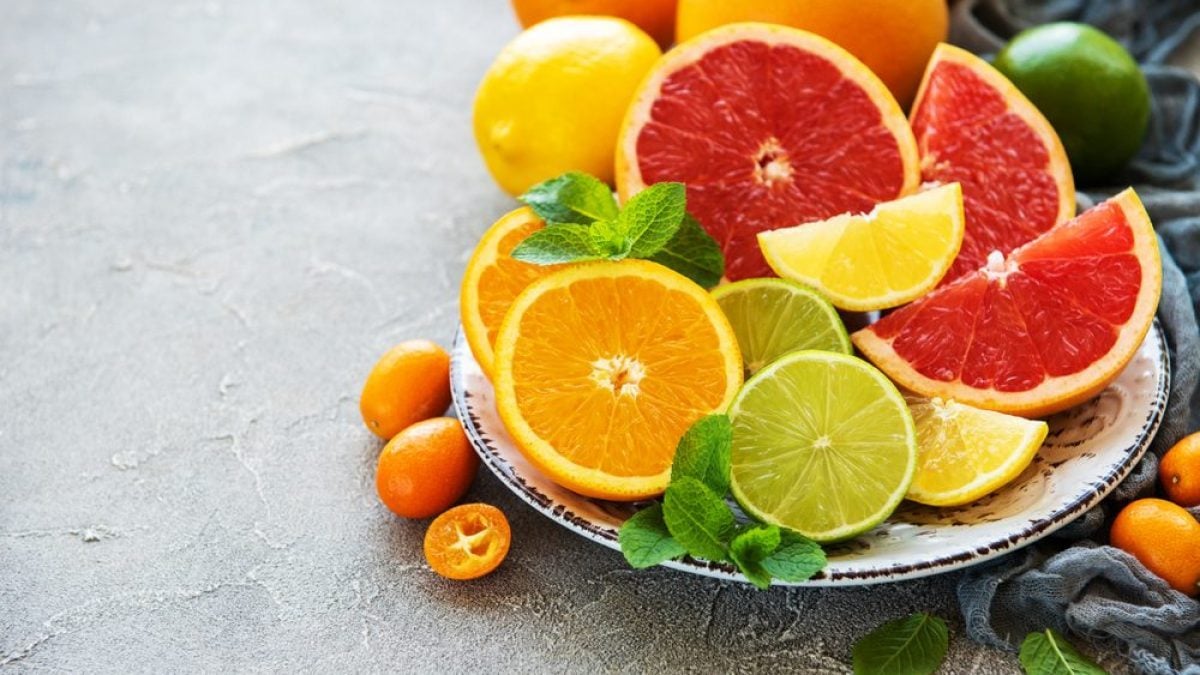
Citrus fruits have been with us for centuries: fragrant, colorful, rich in vitamins, and capable of transforming even the simplest dish into something special. But when we talk about sweetness and acidity, we enter surprisingly complex territory. While we can measure sugars, acidity, and other objective parameters, the fact is that the human palate is not a scientific machine: each of us perceives taste slightly differently. Some find grapefruit pleasantly sweet and bitter, while others consider it the most acidic and punishing fruit in the world. Some taste clementines like natural candy, while others still detect a hint of acidity.
This is why it's important to clarify one point right from the start: a ranking from sweetest to most acidic exists, but it's not an absolute verdict. Rather, it's a model based on measurable criteria, which may not perfectly match personal perception. Today, we'll tell you which citrus fruits are ranked by sweetness—that is, from sweetest to most acidic— what the criteria used to determine this, and why some of us perceive sweetness and acidity differently.
Here is a "ranking" of citrus fruits in order of sweetness: from the sweetest and most sugary to the most acidic.
1. Clementine
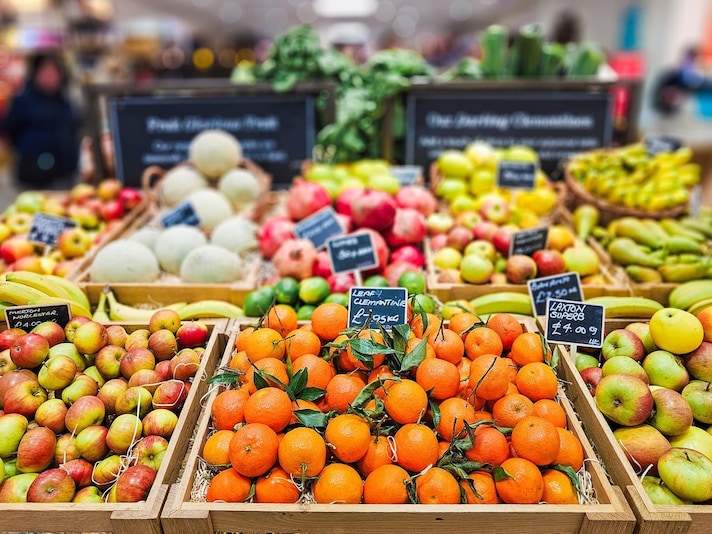
The clementine is, on average, one of the sweetest and most balanced citrus fruits. It is a hybrid selected for its high and consistent sweetness, low and stable acidity, almost complete seedlessness, and a delicate yet persistent aroma. This species, therefore, is generally sweeter and cleaner on the palate than most commercial mandarins. Its sugar profile is more uniform from one fruit to the next, with °Brix values often higher than the average mandarin.
2. Mandarin
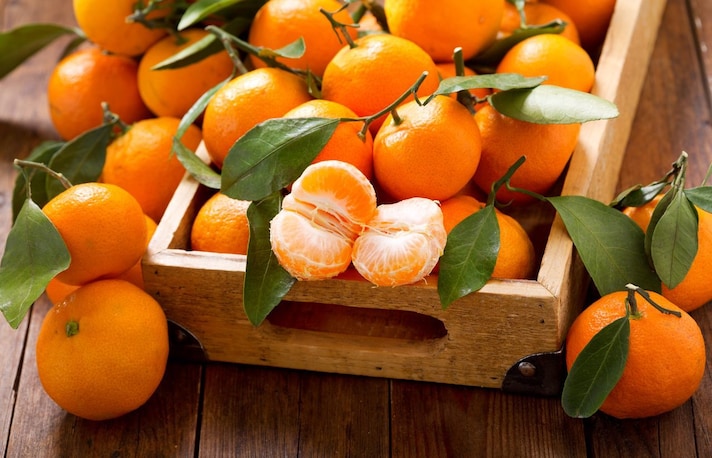
Mandarins include a wide variety, from exceptionally sweet (such as the Dancy or Owari Satsuma) to more tart and aromatic varieties. This wide variety means that, considering the average marketed product, mandarins are often slightly less sweet than clementines, with a more tart and aromatic note, and a less consistent flavor profile. Some mandarin varieties, however, can be sweeter than many clementines, but they do not represent the most common average on the market.
3. Blonde Oranges (Navel, Valencia, etc.)
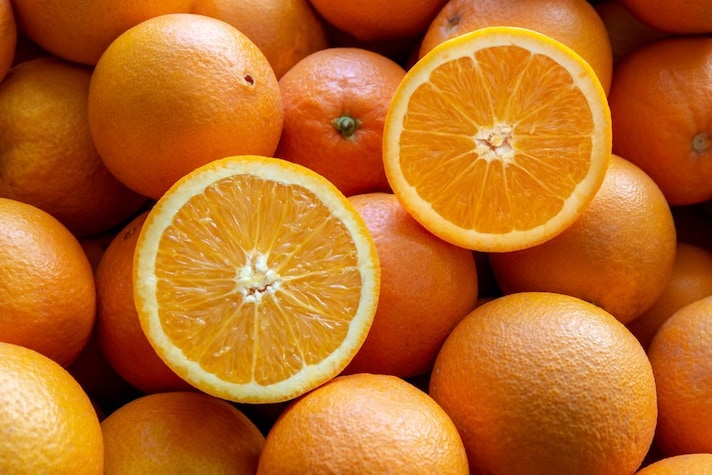
Blonde oranges represent the "classic" flavor: a light sweetness balanced by a fresh acidity that makes them extremely versatile. They're pleasant to eat in segments and perfect for juicing thanks to their stable and harmonious profile.
4. Blood Oranges (Moro, Tarocco and Sanguinello)
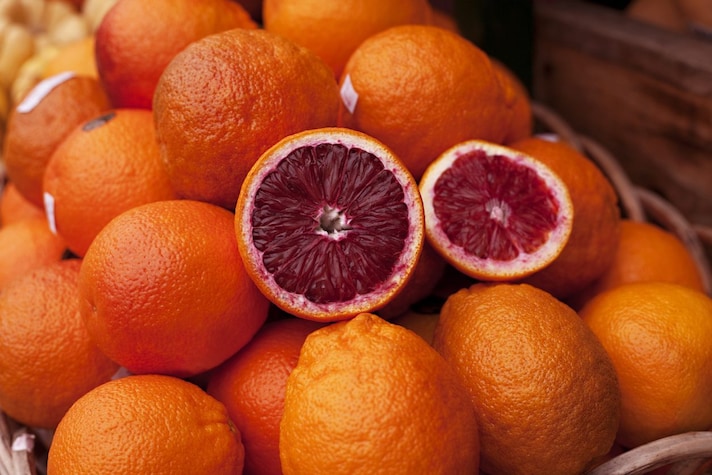
Blood oranges have a richer personality, with deep aromas and a hint of acidity that distinguishes them from blond oranges. Their intense color and notes of red fruit make them more aromatic yet still well-balanced.
5. Pink Grapefruit
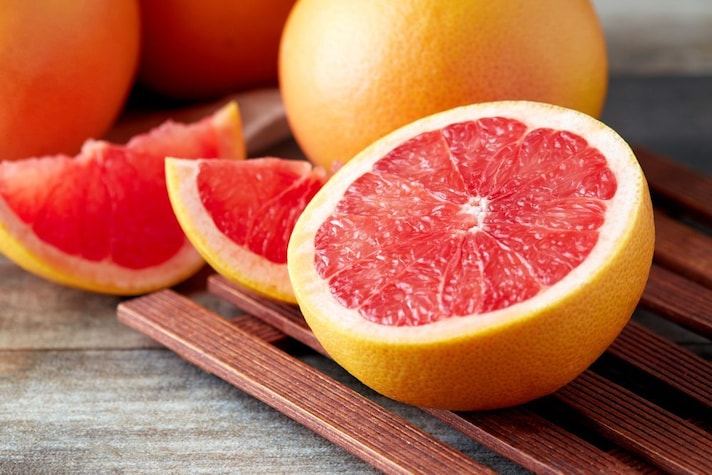
Pink grapefruit offers a unique balance of moderate sweetness, moderate acidity, and a light bitterness that makes it interesting yet approachable. Its inviting color hints at a smoother flavor than traditional grapefruit.
6. Yellow Grapefruit
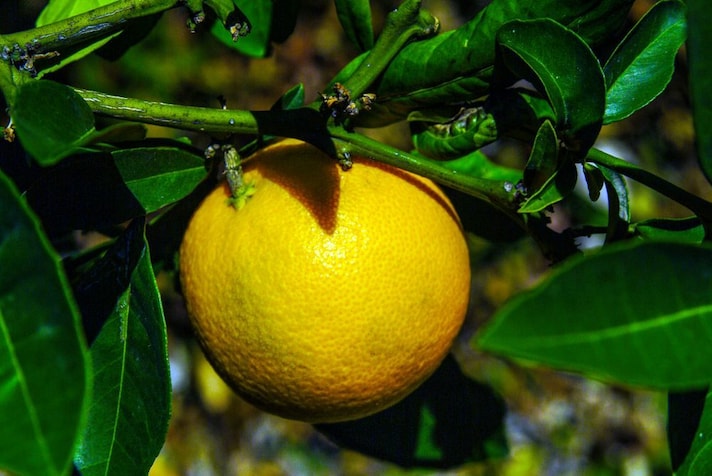
Bold, pungent, and slightly bitter, yellow grapefruit has a more pronounced acidity and a more "vertical" flavor. It's especially appreciated by those who love intense, complex flavors that aren't immediately sweet.
7. Lime
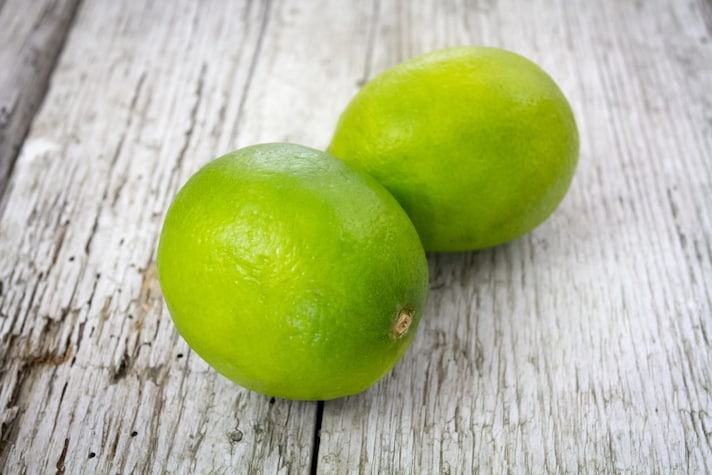
Lively and aromatic, lime combines high acidity with herbaceous notes that give it a fresh and distinctive flavor. More commonly used as a condiment than for consumption, its acidity is less sharp than that of lemon but more fragrant.
8. Lemon
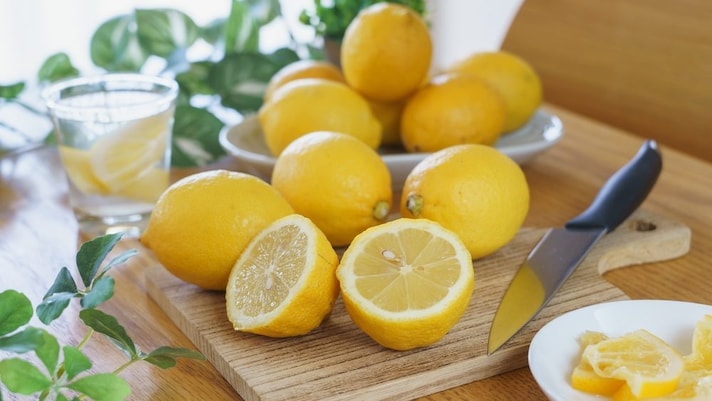
The quintessential symbol of tartness, lemons have very little sweetness and a pronounced acidity that defines their identity. Although difficult to eat on their own, they are irreplaceable for their fragrances, aromas, and culinary uses.
9. Cedar
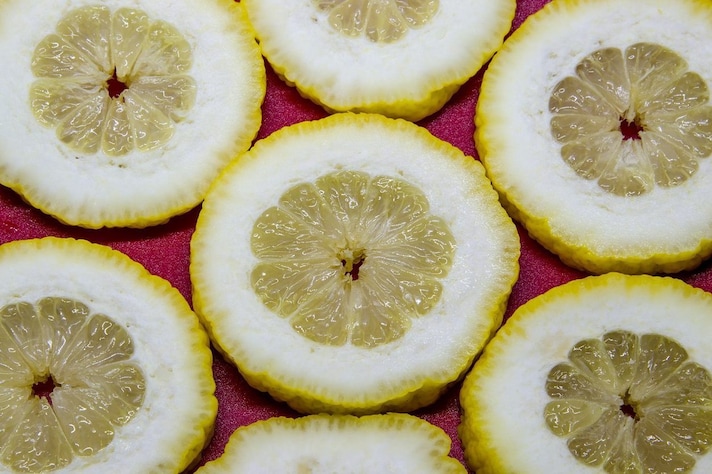
The cedar is a surprising citrus fruit: the pulp is very acidic, while the white pith is sweet and fragrant. This contrast makes it unique and perfect for candied fruit, liqueurs, and traditional recipes where aroma and structure matter more than juice.
The Objective Criteria
Although perception is subjective, the agronomic and food sectors use three fundamental parameters to determine the sweetness and acidity of citrus fruits.
These criteria are internationally recognized and used in research, varietal selection, and marketing.
1. The Sugar Content (°Brix)
Indicates the percentage of soluble sugars in the juice: the higher the value, the sweeter the fruit. Here are some examples of average values.
- Mandarins/clementines: 10 – 14 °Brix
- Oranges: 9 – 12 °Brix
- Pink grapefruit: 8 – 10 °Brix
2. Total Acidity (TA)
Total acidity expresses the amount of citric acid present in the fruit (in %): the higher the percentage, the more acidic the fruit. Some examples:
- Oranges: 0.7–1.3%
- Grapefruits: 1.2–2.0%
- Lemons: 5–8%
Acidity is crucial, but it is not enough on its own: it must be compared with the °Brix.
3. Sugar/Acid Ratio (°Brix / TA)
The sugar-to-acid ratio is the index that best corresponds to the actual perception of the palate. A fruit can be "objectively sweet" but still be perceived as acidic if the ratio is low. Examples:
- Mandarins: 12 – 18, i.e. very sweet
- Oranges: 10 – 15, values that express balance
- Grapefruit: 6 – 10, values that tend towards acidulous-bitter
- Lemon: 1 – 2, values that indicate a strong acidic taste
4. Changes During Maturation and Development
Agronomic studies clearly show that during citrus fruit growth, acids decrease, while sugars increase. This means that, depending on the specific moment, the TSS/TA ratio changes—the index used in agronomy and the food industry to evaluate the quality and ripeness of fruit, particularly citrus fruits—and, consequently, the final sensory quality also changes.
The Reason Why You Might Perceive Them Differently
The perception of sweetness and sourness is a complex combination of factors: genetic, cultural, psychological, physiological and even contextual.
- Genetics of taste. Each of us has a different sensitivity to sweet, sour, and bitter. Genetic variations in taste receptors mean that some people perceive grapefruit as predominantly bitter, others as primarily sour, and still others as surprisingly sweet.
- Eating habits. If you consume a lot of sugary foods, you become more sensitive to acid. Those who eat fruit regularly perceive the natural sweetness more easily, even when sugar content is low.
- Fruit ripening. Sugars and acids change during ripening. An early orange may be much more acidic than the same variety picked at the right time.
- Drinking temperature. Cold reduces the perception of sweetness and highlights the acidity. A cold squeezed juice may taste more acidic than the same juice drunk at room temperature.
- Expectations and the psychology of taste. The color, aroma, and even the memory of that fruit influence what we perceive. A deep red orange seems "sweeter" regardless, a very yellow lemon seems "more acidic," and so on.
- Physiological factors of the moment. After salty or spicy foods, acidity is more intense; after physical exertion, sweetness is perceived; in the morning, with little salivation, the acidity appears more aggressive.

