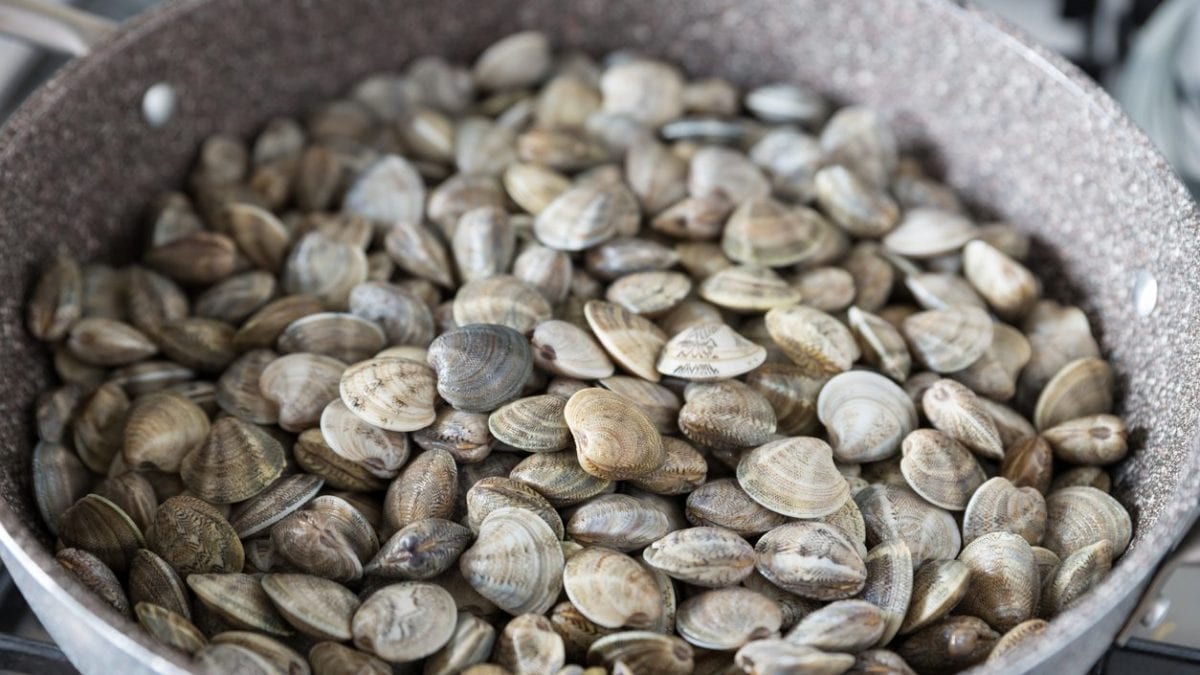
Clams, besides being a key ingredient in numerous recipes, are a veritable treasure trove of nutrients. These small mollusks, which inhabit the seabed, offer numerous health benefits. Rich in protein, vitamins, and minerals, clams are a light and easily digestible food, perfect for those seeking a healthy, balanced diet.
Clams' Properties and Benefits
Clams are a versatile and nutritious food: thanks to their rich nutrient content, clams are an excellent choice for those who want to follow a healthy and balanced diet.
- Excellent source of protein: Clams are rich in high-quality protein, essential for tissue growth and repair.
- Precious minerals: they contain a good amount of iron, essential for the production of red blood cells and preventing anemia. They are also a source of zinc, important for the immune system, and selenium, with antioxidant properties.
- Vitamins: Clams are a good source of B vitamins, essential for energy metabolism and the proper functioning of the nervous system.
- Omega-3: Although in smaller quantities than other fish, clams also contain omega-3 fatty acids, which are important for heart and brain health.
- Low fat: Clams are a low-fat food, making them suitable for those on a low-calorie diet.
- Digestibility: They are easily digestible and do not weigh down the stomach.
- Low glycemic index: The glycemic index of clams is low, which means they are absorbed slowly by the body, avoiding blood sugar swings.

When is It Best to Avoid Eating Clams?
Clams, while a very nutritious and tasty food, should be consumed in moderation, and in some circumstances, it's best to avoid them altogether. Here are some instances in which it's advisable to limit or avoid their consumption.
As with all shellfish, clams can cause allergic reactions, even serious ones. If you have a shellfish allergy, avoid consuming them entirely. Clams are natural filters and can accumulate bacteria and toxins present in water. For this reason, it's essential to always purchase them from reputable fishmongers and ensure they are extremely fresh. During pregnancy and breastfeeding, it's advisable to limit the consumption of raw or undercooked fish, including clams, to reduce the risk of bacterial contamination.
If you have hepatitis or other liver diseases, it's best to avoid eating raw clams, as they may increase the risk of infection. Clams also contain a certain amount of cholesterol, so those with high cholesterol levels should consume them in moderation and preferably cooked. Due to their high sodium content, clams can affect blood pressure; those with hypertension should limit their consumption.
;Resize,width=767;)
