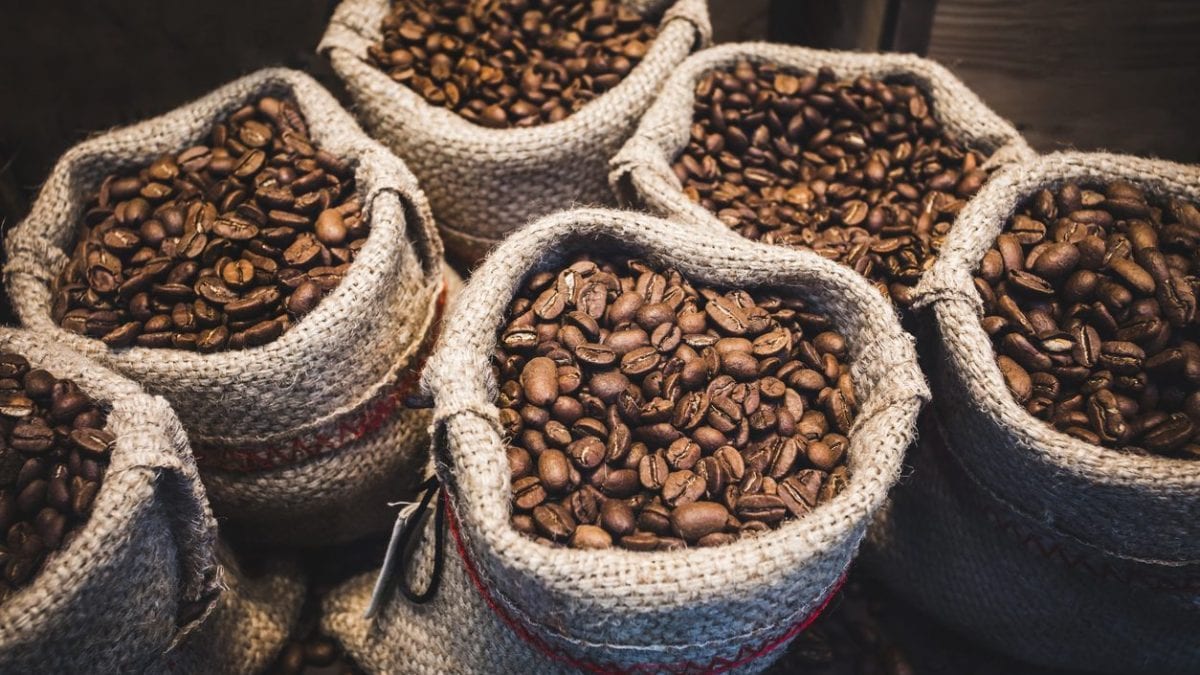
How many times have you sat at a coffee shop table, menu in hand, and seen coffee of different types and origins? You've almost certainly tasted or noticed Colombian coffee, which is among the best in the world. Colombia is one of the world's largest exporters and producers of the coffee plant. The importance of the areas where it is grown in this South American country has led to their being recognized as a UNESCO World Heritage Site. However, there is the issue of climate change, with coffee production becoming increasingly unsustainable. In recent years, Colombia has faced several challenges in maintaining high production levels. Let's discover the story behind this product by exploring its origins, the environmental risks, and why it is so important to this country.
Colombian Coffee's Historical Origins
It is estimated that coffee arrived in Colombia in the 18th century, since the oldest evidence of the existence of coffee plantations in the country is found in the book "El orinoco ilustrado" (1730) by the priest José Gumilla. There are two versions regarding the importation of the product. The first is attributed to the French missionaries who introduced it through their colonies, including Guyana. The second is attributed to the Dutch, who imported it through the country now known as Suriname.
Legend has it that in Salazar, in the department of Norte de Santander, a region of Colombia, the parish priest Francisco Romero had his faithful plant coffee as a way to redeem themselves from their sins. This story coincides with the beginning of the spread of coffee in Colombia, starting from the Santander region.
Officially, 1835 is the year in which commercial coffee production and export began from Colombia. During the 19th century, it began to be cultivated on a large scale and became one of the country's main agricultural crops.
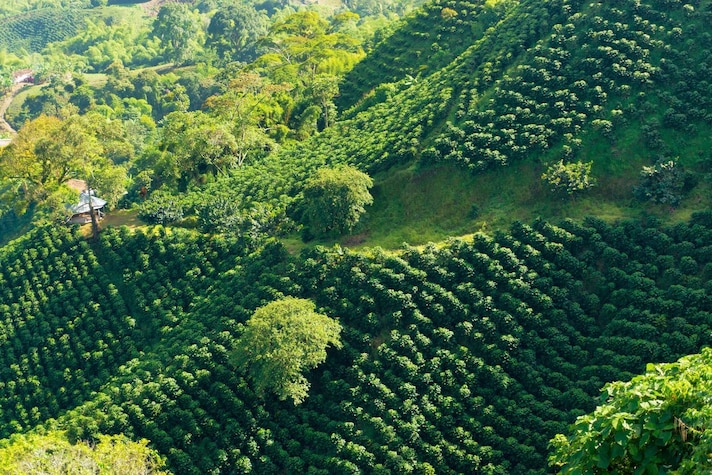
There are many factors that have allowed Colombia to make coffee a national heritage as well as one of the primary sources of income: the territory of this South American country enjoys a strategic geographical position that allows for fertile mountainous terrain ideal for cultivation, a favorable climate and an international demand that, over the years, has continuously increased.
Coffee Cultivation has Become a Crucial Sector in Colombia
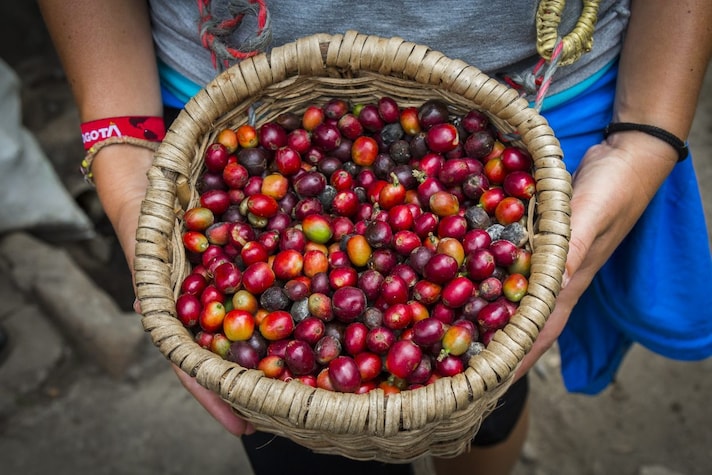
Colombia is the world's third-largest coffee producer, accounting for 8% of the world's total coffee production. It is preceded only by Vietnam with 20% and Brazil, which produces almost a third of the world's total coffee, 30%. The coffee-producing region of the country, the Eje Cafetero, was recognized as a UNESCO World Heritage Site in 2011 for its landscape and natural beauty. Divided into four departments, including Caldas, Quindío , Riseralda, and Tolima, it occupies only 1% of the country's total surface area, but thanks to its altitude and rainfall, it is crucial for coffee production. Colombian producers follow traditional methods, hand-picking beans one by one to ensure only the ripest ones are selected. This process guarantees superior quality coffee, which is then sun-dried and processed using artisanal methods.
Over time, these areas have become tourist attractions, so much so that numerous theme parks and museums have developed here. The Museum of Coffee Culture was built in the department of Quindío, showcasing the process from plant production to tasting a traditional Colombian coffee. Coffee tourism is growing, with more and more visitors arriving every year to participate in tasting tours, learning the history that made this South American country a "cafetero."
Coffee Has Shaped the Country's Economy
In Colombia, coffee represents 22% of agricultural GDP: it is the most exported product and has generated a significant economic influx. This has created a significant workforce requirement, so many job openings have opened up in the coffee sector, thus providing opportunities for the poor, an increasingly common condition in the country. Coffee has contributed to the construction of infrastructure in rural communities, improving access to education and healthcare.
Another noteworthy detail is the creation, in the 1930s, of the FNC, the National Federation of Coffee Growers. Still in existence today, it regulates the production and export market, representing the interests of more than 500,000 coffee-growing families. They are provided with highly valued public goods and services, such as research, development, technical assistance, and guaranteed coffee purchases. All FNC regional representatives participate in all decisions regarding agricultural, social, and economic policies.
Coffee Production is at Risk Due to The Climate Emergency
Unfortunately, the world's most beloved beverage, a symbol of culture and social interaction, has been threatened in recent years by the climate emergency. Coffee plants are highly sensitive to adverse weather conditions and temperature changes. Some studies have shown that a 35°F/2°C increase in temperature could lead to a 24% drop in production in Brazil, the world's leading producer. In Colombia, however, according to a study by Professor Ceballos-Sierra of the University of Illinois, climate effects can vary depending on the coffee production area. This means that, growing in areas with different altitudes, the climate impacts will differ depending on the altitude. The climate emergency, however, has already put Colombian productivity at risk, which is no longer able to maintain the high levels of previous years.
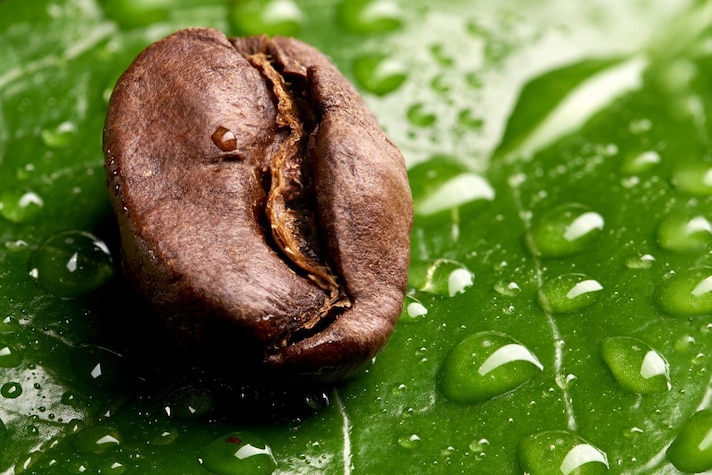
A beloved beverage, yet one that requires the most environmental resources. According to an article published in the Wall Street Journal, coffee could disappear completely by the end of the century. One solution to this problem, according to the newspaper, could be to produce coffee in a laboratory, as is beginning to be done with meat. According to a report by the FAO (Food and Agriculture Organization of the United Nations), another solution could be to create a direct relationship between consumers and farmers. In short, farmers could select roasters and suppliers who work with farmers and have a direct relationship with those who produce the raw material. Preserving this centuries-old beverage is the priority, and several studies note that, despite the climate crisis, something is moving in a positive direction.
;Resize,width=767;)
