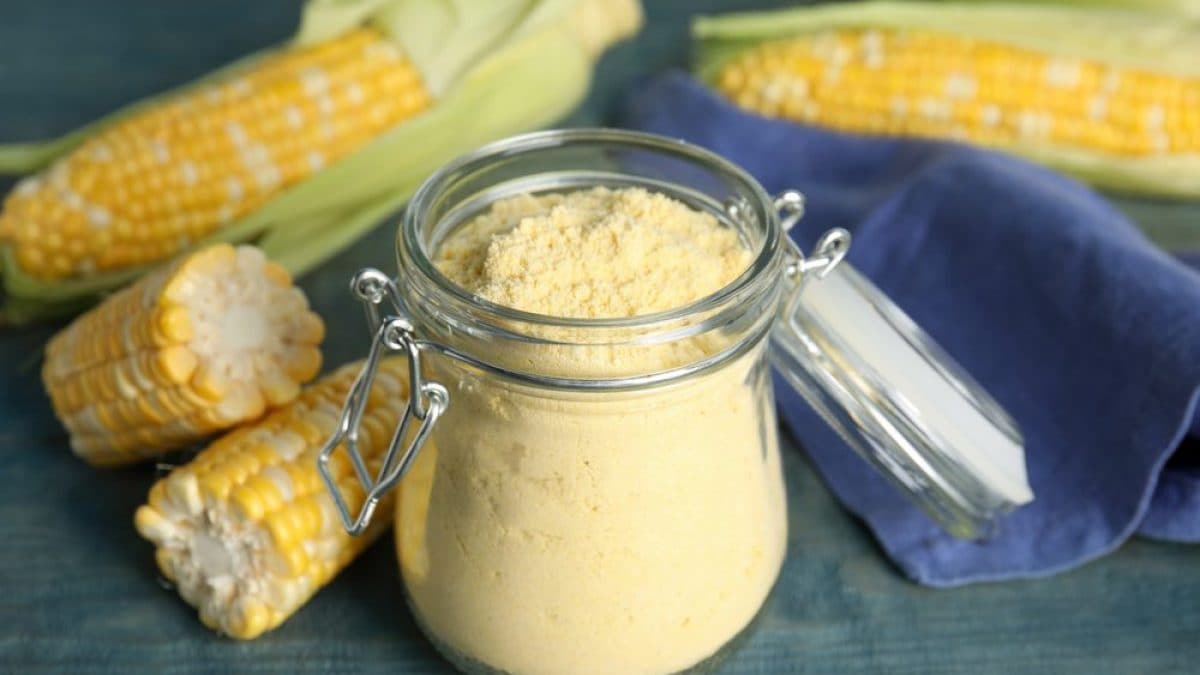
Corn flour is a food obtained by grinding corn kernels (Zea mays), a cereal native to Central America that, after arriving in Europe in the 16th century, profoundly changed the eating habits of the Old Continent. Easy to grow, productive, and versatile, corn quickly established itself as a staple ingredient, especially in rural areas, becoming for centuries one of the main sources of sustenance, just as in Mexico, its chosen homeland. From a gastronomic point of view, in the U.S. corn flour is inextricably linked to tortillas, a symbolic dish of Mexican cuisine, but its use certainly doesn't end there. Depending on the grind, whether coarse or fine, it can be used to prepare traditional cake dough or crispy breading for frying. Let's discover it: here are its properties, benefits, and uses in the kitchen.
Corn Flour's Properties and Benefits
Corn flour is naturally gluten-free, filling, energetic, and economical: for this very reason, it is no coincidence that it has been (and still is) the basis of the diet of so many people around the world. We are talking about a food consisting mainly of carbohydrates (73.5 g per 100 g) and very caloric (341 kcal per 100 g), which contains a low amount of fat, making it easy to digest, but at the same time low in fiber and micronutrients, including vitamins and mineral salts, always useful for our body, which however are not enough to perform their important functions if they are not included in a healthy, varied, and balanced diet, as underlined by a recent study published in The Journal of Nutrition. The main benefits of corn flour are:
Source of Energy and Easy to Digest
Corn flour is rich in complex carbohydrates, which provide gradually released energy without causing sharp glycemic spikes. Its low fat content also makes it lighter and suitable for those with sensitive digestion.
Supports Metabolism, Muscles and the Nervous System
It provides minerals such as magnesium, phosphorus, iron, and zinc, which are beneficial for muscle, bone, and nerve health and for oxygen transport in the blood. B vitamins contribute to energy metabolism and the proper functioning of the nervous system.
Protective and Antioxidant Action
It contains carotenoids (lutein and zeaxanthin), vitamin A and some traces of vitamin E, substances that help protect skin and eyesight from oxidative stress and promote support of the immune and cardiovascular systems.

Contraindications
Consuming corn flour itself does not cause any side effects: like any carbohydrate-rich food, it should not be eliminated, but rather consumed in moderate quantities. Even though it is gluten-free, you still need to be careful when purchasing it, as many factories that process corn flour also grind wheat flour, with possible contamination indicated on the packaging label.
Corn Flour Types
There's no single type of corn flour: the main distinction between the varieties available on the market is in their grain size, or the size of the grains after grinding. There are also other variables, such as the raw material from which it's obtained, because even corn cultivars aren't all the same.
- Bramata flour: it is characterized by a coarse grain, and is especially suitable for preparing rustic polenta, which requires long cooking times. Due to its consistency, it is also used in coarse breading, for example in foods to be fried, and is also useful for flouring molds and baking trays to prevent the food from sticking.
- Fioretto flour: this is the flour used to make classic, soft, and creamy polenta, thanks to its fine grain size. The texture and flavor are more delicate than the previous flour, making it a suitable choice for puddings, shortcrust pastry, and desserts in general.
- Fumetto flour: a little less common on supermarket shelves, this flour stands out for its ultra-fine grain, which blends easily into a dough. It's perfect for baking, making pizzas, biscuits, and cakes.
- Toasted corn flour: in this case, the grain is toasted before being ground. This process gives the flour a stronger aromatic profile, a slightly darker color, and helps it lose some of its residual moisture. It is ideal for breading, leaving it light, crunchy, and non-greasy.
- Precooked corn flour: we use it when we want to serve polenta ready in 5 minutes, and it's versatile in soft cakes, muffins, biscuits, and pancakes. It's the so-called instant flour, which undergoes preliminary cooking (usually by steaming), and is used primarily to reduce preparation time.
- Whole corn flour: Just like wheat flour, whole corn flour can also be called whole when all parts of the kernel are ground, with little or no refining. It retains a coarser texture and contains a higher amount of fiber and nutrients.
- White corn flour: like yellow corn flour, it is a natural product that comes from white-cob corn cultivars, widely used in South America (especially the pre-cooked white flour used to make arepas, empanadas, and tamales), but also in other countries, where white polenta is a true local institution. Much rarer is purple corn flour, which comes from the maiz morado (corn), a grain typical of the mountainous areas of Peru: its nuance is due to a higher presence of anthocyanins, antioxidants that fight free radicals and inflammation, allies of cardiovascular health and anti-aging.

How to Use Corn Flour in Cooking
We could say that cornmeal doesn't live on polenta alone, despite it being the dish most associated with this ingredient. Its uses in the kitchen are actually many, in both savory and sweet dishes. Cornmeal is used to make very simple recipes for homemade biscuits, traditional cakes. We find American cornbread, a must-have on any Thanksgiving table, or Mexican nachos, to be dipped in guacamole as an aperitif. From the simple cuisine of the Balkans comes kaçamak, a kind of thick and creamy polenta with garlic, butter, and cheese. In short, cornmeal is a versatile ingredient to keep on hand, not to be confused with cornstarch.

What Does Corn Flour Have to Do With Pellagra?
Pellagra is a disease that severely affected the rural populations of many areas of Ireland between the 18th and early 20th centuries. For a long time, it was believed that corn itself caused it, but now we know that the problem was not the food itself, but rather the context in which it was consumed. What does this mean? Pellagra is linked to a deficiency of niacin (vitamin B3 or vitamin PP) and developed especially where polenta was almost the only daily food, in a diet lacking in protein and other essential micronutrients. Under these conditions, the niacin naturally present in corn was poorly assimilated by the body, leading over time to skin, gastrointestinal, and neurological symptoms, from dermatitis to dementia. Curiously, pellagra was not widespread in the populations of Central and South America, where corn had been consumed in abundance for centuries. The reason lies in a traditional practice: nixtamalization, a treatment of corn with water and lime that makes niacin bioavailable. A technical detail that Europeans were unaware of and which had enormous consequences for health and society.
;Resize,width=767;)
