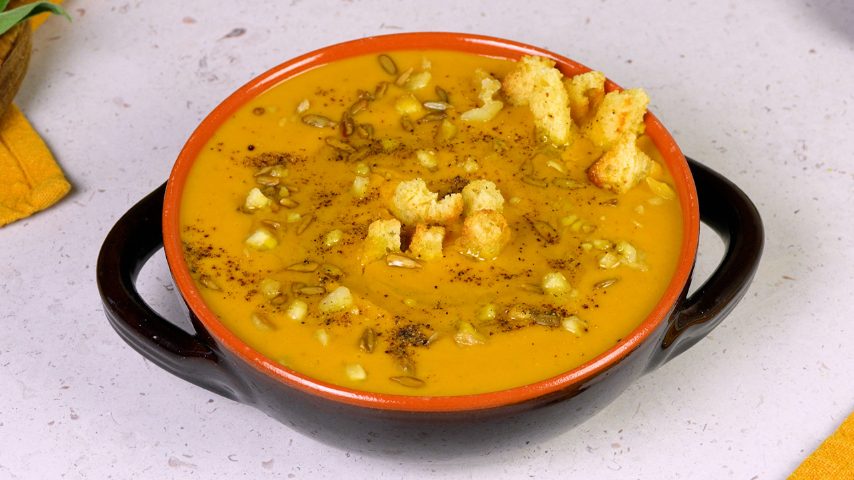
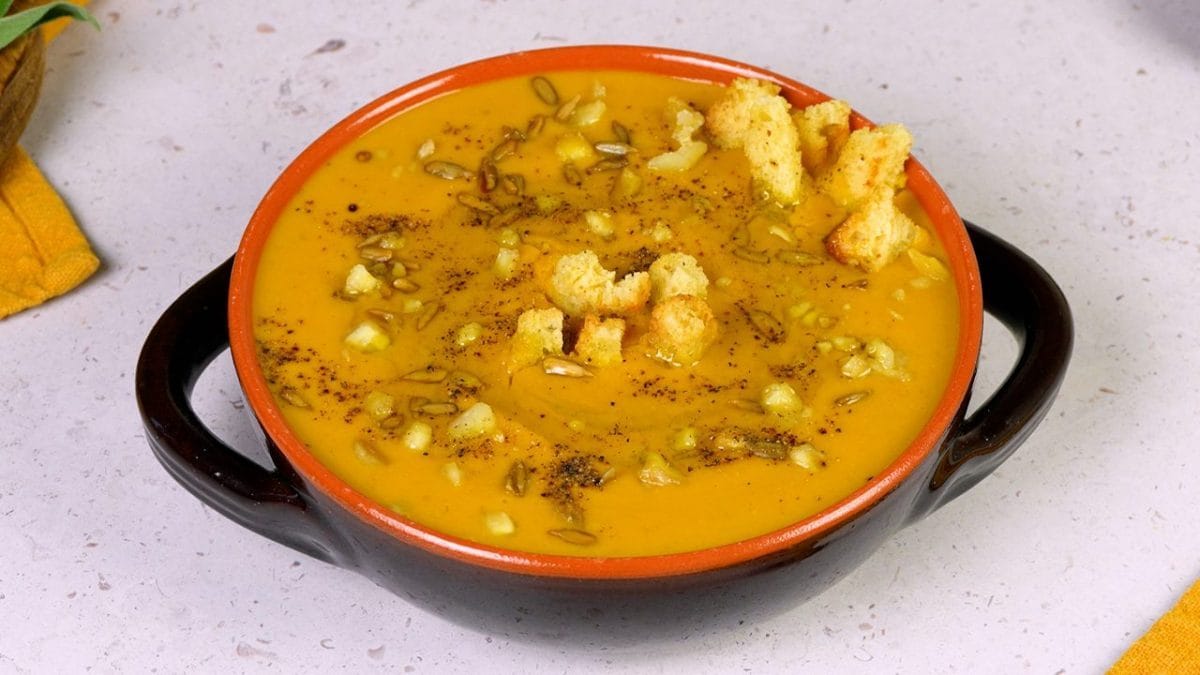
Pumpkin and Chestnut Soup brings some of autumn’s most comforting flavors together in one creamy, fragrant dish. Sweet pumpkin is cooked with onion and fresh sage, then blended with tender chestnuts and warm nutmeg until beautifully smooth. Chestnuts give the soup extra body and a subtly nutty sweetness, while rosemary and bay leaf perfume them as they cook. A final topping of crunchy croutons, sunflower seeds, crumbled chestnuts, black pepper, and extra virgin olive oil adds texture to every spoonful. Serve this creamy pumpkin soup as an autumn starter or as a cozy light meal with plenty of crusty bread.
Why Everyone Will Love This Recipe
This pumpkin and chestnut soup is creamy without relying on cream or other dairy ingredients. The pumpkin naturally becomes velvety when blended, while the chestnuts make the texture fuller and more satisfying.
Its flavor is unmistakably autumnal. Sage, rosemary, bay leaf, and nutmeg complement the sweetness of the pumpkin and chestnuts without overpowering them.
The toppings make an important difference too. Crisp bread croutons and sunflower seeds contrast with the silky soup, while reserved chestnuts reinforce the main flavor and make each bowl look more inviting. It is also naturally simple to adapt. Add more broth for a lighter soup or use a little less for a thicker, almost purée-like consistency.
What Is Pumpkin and Chestnut Soup?
Pumpkin and Chestnut Soup is a creamy vegetable soup made by combining cooked pumpkin with chestnuts, aromatic herbs, broth, and seasonings before blending everything until smooth. Both pumpkin and chestnuts have a long history in traditional autumn cooking. Pumpkins and other winter squashes became essential ingredients in many European kitchens after varieties from the Americas spread across the continent, where their sweetness and ability to keep well made them especially useful during colder months.
Chestnuts have an even older place in European food traditions. For centuries, they were an important staple in mountainous and rural areas, particularly in parts of Italy and other Mediterranean countries where chestnut trees flourished. They could be boiled, roasted, dried, or ground into flour and were once so important that the chestnut tree was sometimes described as a source of everyday sustenance. Combining pumpkin and chestnuts creates a naturally harmonious soup: both ingredients are mildly sweet, earthy, and well suited to aromatic herbs such as sage and rosemary.
Cooking Tips
- Score every chestnut before boiling because the cut allows steam to escape and makes the shells easier to remove once the chestnuts are cooked.
- Peel the chestnuts while they are still warm because both the outer shell and inner skin become considerably more difficult to remove once they have cooled completely.
- Cut the pumpkin into evenly sized cubes because uniform pieces soften at roughly the same rate and blend into a smoother soup.
- Sauté the onion gently until softened and lightly golden because this develops sweetness and creates a more flavorful base without introducing burnt or bitter notes.
- Add the sage after the pumpkin has begun cooking so its aroma infuses the vegetables without spending too long over direct heat.
- Use hot vegetable broth rather than cold broth because it keeps the cooking temperature more stable when added to the pumpkin.
- Add only enough broth to cover the pumpkin initially because it is easier to thin a thick soup after blending than to correct one that has become excessively watery.
- Reserve a few whole chestnuts before blending because crumbled chestnuts make an excellent garnish and provide a pleasant textural contrast.
- Add nutmeg only after removing the soup from the heat because a small amount is enough to perfume the finished dish without overwhelming the pumpkin and chestnut flavors.
- Blend thoroughly with an immersion blender until completely smooth, adding additional hot broth little by little if you prefer a thinner, more fluid consistency.
Frequently Asked Questions
Can I Use Pre-Cooked Chestnuts?
Yes. Vacuum-packed or otherwise plain pre-cooked chestnuts are a convenient alternative and eliminate the boiling and peeling step. Make sure they are unsweetened and unflavored, then add them directly to the pumpkin during the final minutes of cooking.
Can I Use Butternut Squash Instead of Pumpkin?
Absolutely. Butternut squash works particularly well because it has sweet, dense flesh that becomes very creamy when blended. Its flavor may be slightly nuttier than some pumpkin varieties, which actually pairs beautifully with the chestnuts.
Why Is My Soup Too Thick?
Chestnuts naturally make blended soups quite dense because of their starchy texture. Simply add a little extra hot vegetable broth after blending, stirring or blending again until the soup reaches your preferred consistency.
Can I Make the Soup Without an Immersion Blender?
Yes. A countertop blender can be used instead, but hot liquids require extra care. Let the soup cool slightly, blend it in manageable batches according to the blender manufacturer’s instructions, then return it to the pot for reheating if necessary.
What Can I Use Instead of Sage?
Thyme works very well with both pumpkin and chestnuts and can replace sage if needed. Rosemary can also be used, but because its flavor is stronger, add it sparingly so it does not dominate the sweeter ingredients.
What Can I Serve With Pumpkin and Chestnut Soup?
The soup works beautifully with toasted bread, focaccia, grilled cheese, or a simple autumn salad. For a more substantial meal, serve it alongside roasted vegetables, mushrooms, or a savory tart while keeping the garnishes of croutons and seeds for extra crunch.
How to Store
Store the Pumpkin and Chestnut Soup in an airtight container in the refrigerator for up to 2 days. Keep the croutons, sunflower seeds, and other garnishes separate so they remain crisp. Reheat the soup gently in a saucepan, adding a splash of vegetable broth or water if it has thickened during refrigeration.
How to Freeze
Pumpkin and Chestnut Soup freezes well because it contains no cream or delicate dairy-based ingredients. Allow the soup to cool completely, then transfer it to freezer-safe containers, leaving a little space for expansion. Freeze for up to 2 months for the best quality. Thaw it overnight in the refrigerator and reheat gently on the stove, adding a little broth if necessary to restore its creamy consistency.
Ingredients
How to Make Pumpkin Chestnut Cream Soup
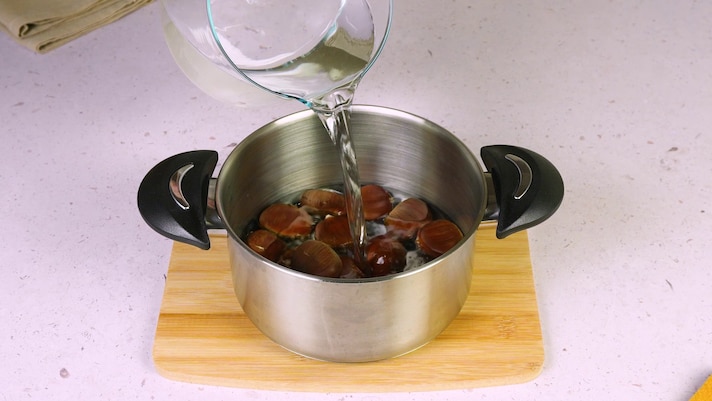
To prepare the pumpkin and chestnut cream soup, first collect the chestnuts in a large pot and cover them with plenty of water.
To prepare the pumpkin and chestnut cream soup, first collect the chestnuts in a large pot and cover them with plenty of water.
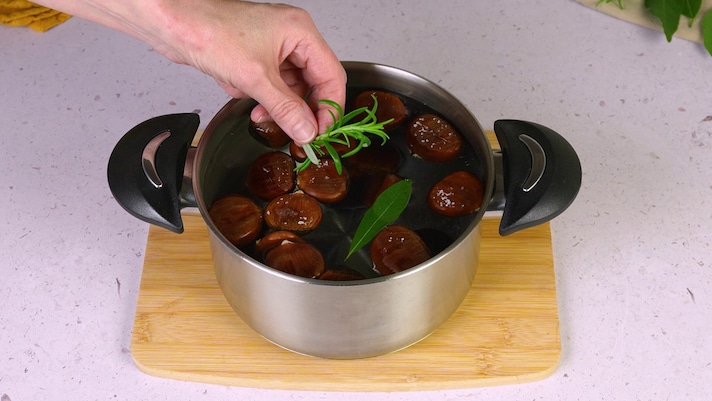
Add a pinch of salt, a bay leaf and a sprig of rosemary.
Add a pinch of salt, a bay leaf and a sprig of rosemary.
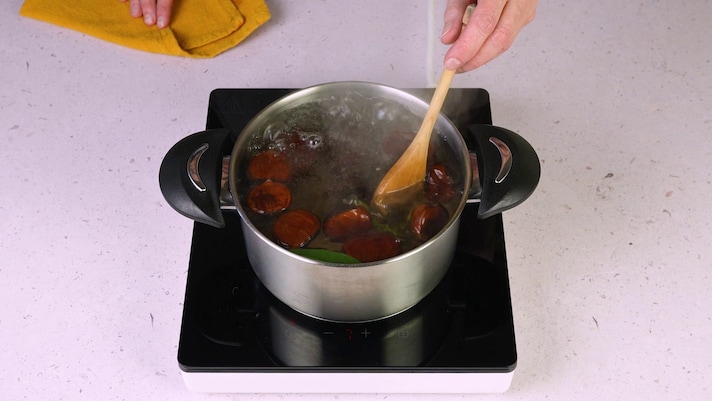
Then put it on the heat and bring it to the boil and let it cook for about 15 minutes.
Then put it on the heat and bring it to the boil and let it cook for about 15 minutes.
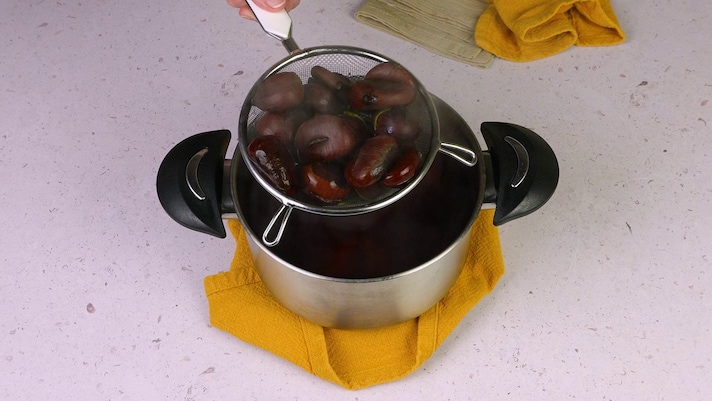
Once the time has passed, drain the boiled chestnuts.
Once the time has passed, drain the boiled chestnuts.
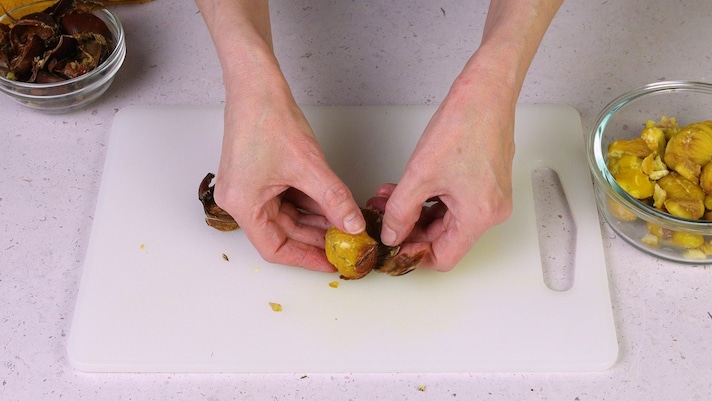
Peel them while still hot and set aside.
Peel them while still hot and set aside.
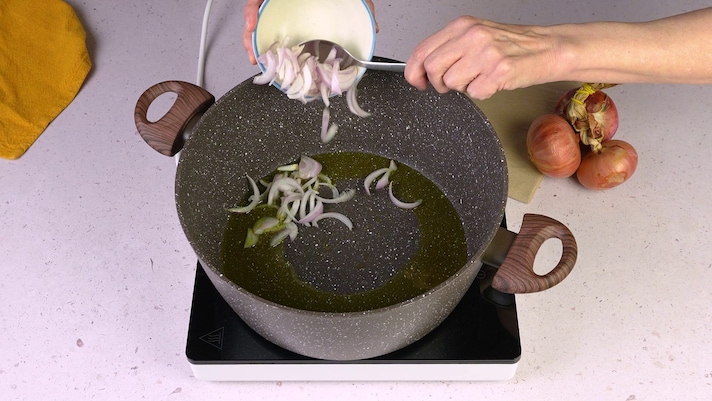
Let the onion, finely chopped with a knife, soften in a non-stick pan with a drizzle of extra virgin olive oil.
Let the onion, finely chopped with a knife, soften in a non-stick pan with a drizzle of extra virgin olive oil.
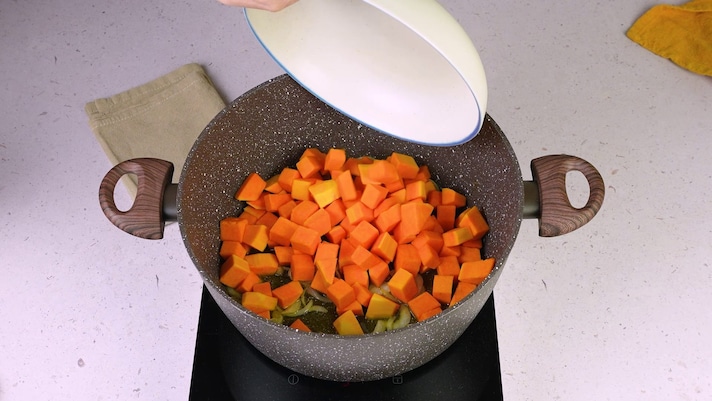
Add the pumpkin pulp, cut into cubes, to the sauté.
Add the pumpkin pulp, cut into cubes, to the sauté.
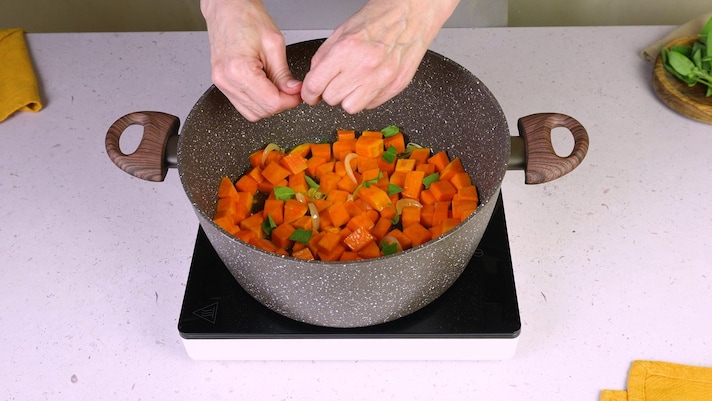
Flavor with chopped sage leaves.
Flavor with chopped sage leaves.
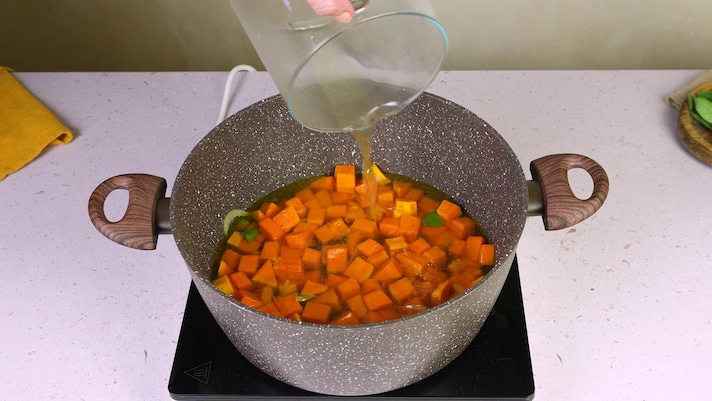
Cover with boiling vegetable broth and continue cooking for about 15 minutes, or until the pumpkin is soft.
Cover with boiling vegetable broth and continue cooking for about 15 minutes, or until the pumpkin is soft.
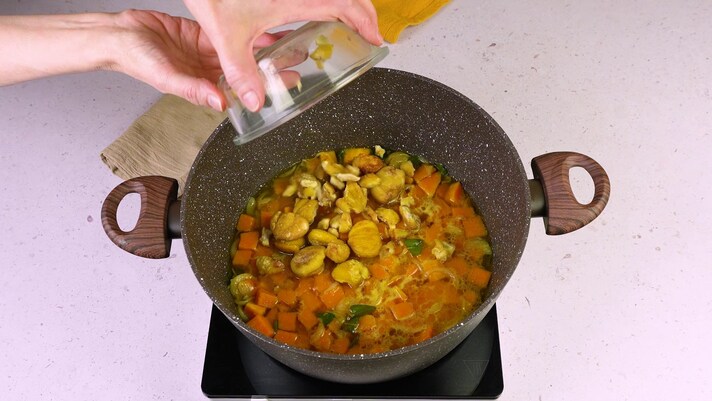
At this point, pour in the boiled chestnuts: keep some aside for finishing.
At this point, pour in the boiled chestnuts: keep some aside for finishing.
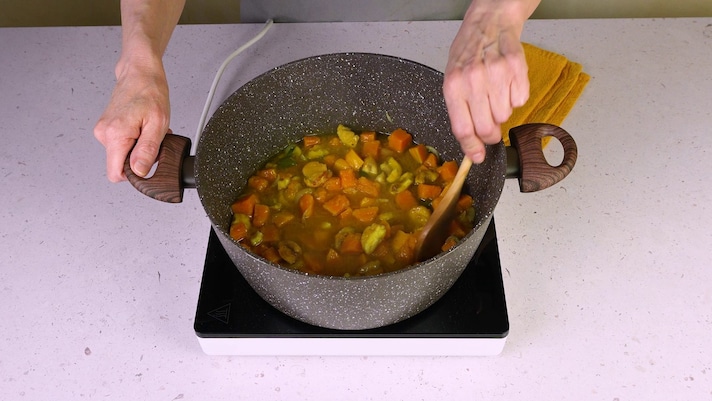
Season with salt and pepper, mix carefully with a wooden spoon and let it flavor for a few more moments.
Season with salt and pepper, mix carefully with a wooden spoon and let it flavor for a few more moments.
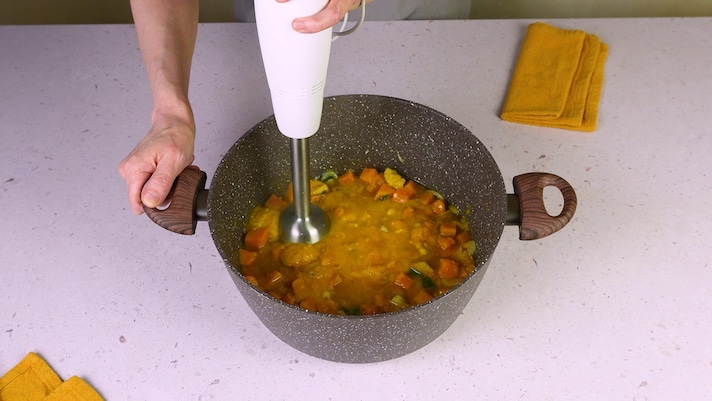
Once finished, turn off the heat and blend everything well with an immersion blender.
Once finished, turn off the heat and blend everything well with an immersion blender.
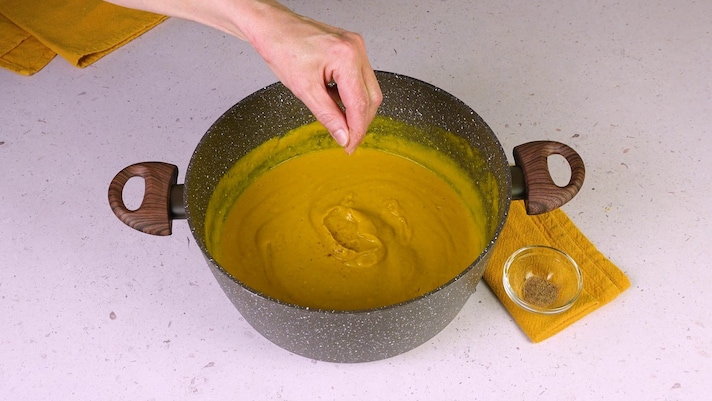
Perfume the thick and creamy soup obtained with a pinch of nutmeg.
Perfume the thick and creamy soup obtained with a pinch of nutmeg.
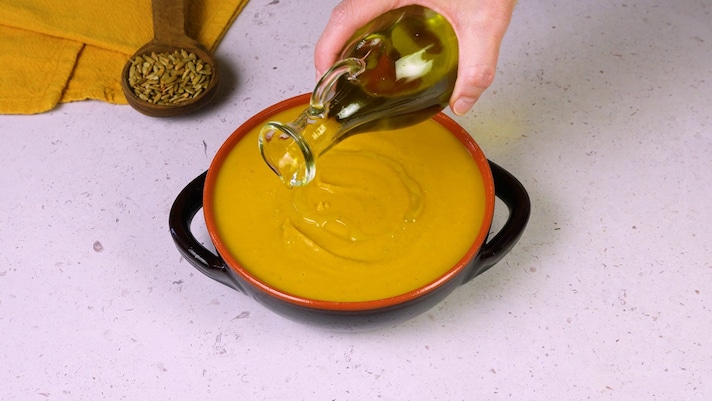
Divide the cream into individual bowls and drizzle with a little raw oil.
Divide the cream into individual bowls and drizzle with a little raw oil.
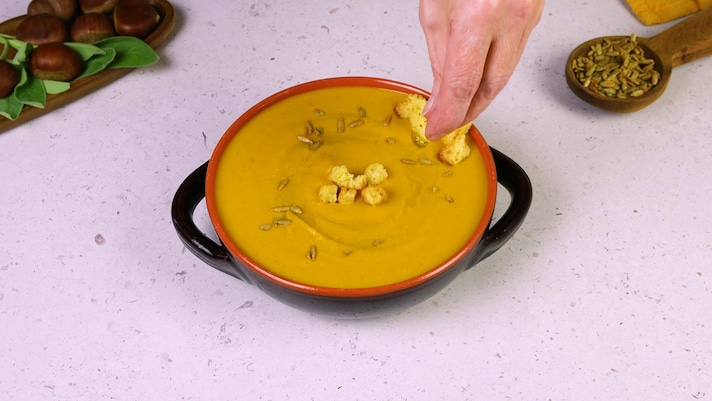
Add some warm bread croutons and sprinkle with sunflower seeds.
Add some warm bread croutons and sprinkle with sunflower seeds.
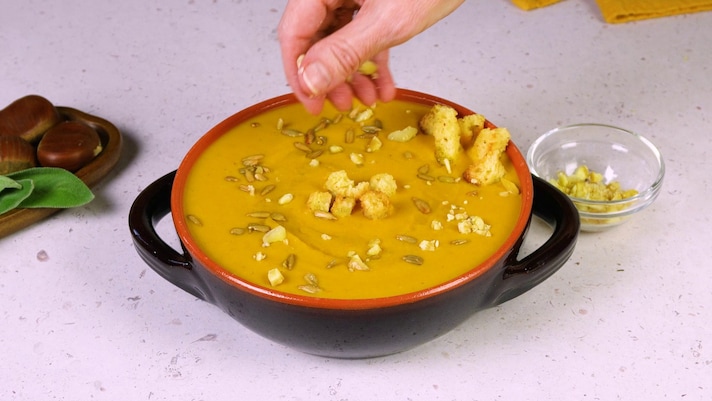
Complete with the crumbled boiled chestnuts kept aside and a sprinkling of ground pepper.
Complete with the crumbled boiled chestnuts kept aside and a sprinkling of ground pepper.
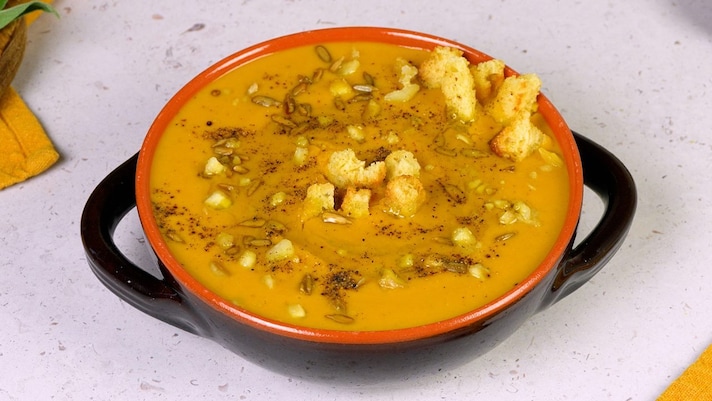
Bring to the table and serve. Enjoy!
Bring to the table and serve. Enjoy!


