
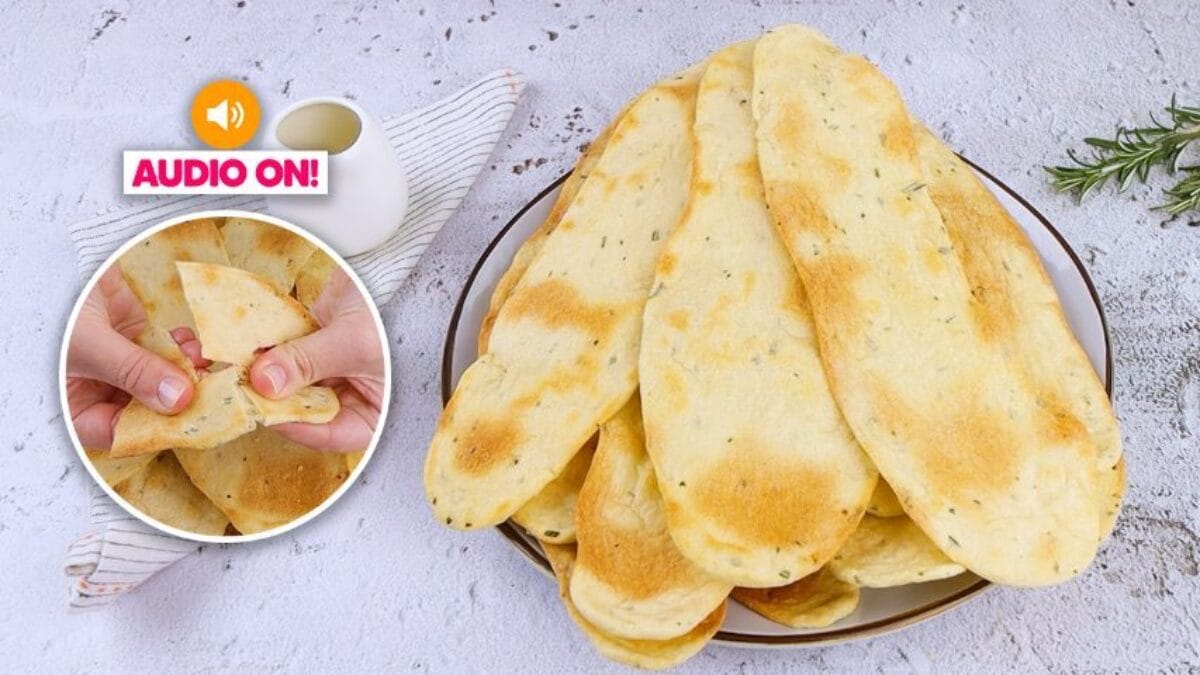
This dish is simple, satisfying, and surprisingly fun to make. You can also enjoy them with everything from soups and salads to cheese boards, dips, and hearty mains.
The dough comes together with flour, olive oil, water, salt, and fragrant rosemary before taking a short rest. After that, each piece is rolled as thin as possible, brushed with olive oil, and baked until crisp and lightly golden.
What Are Bread Tongues?
Bread tongues, known in some places as “lingue di pane”, meaning "bread tongues" in Italian. They are long, thin sheets of baked bread famous for their delicate crunch. Their shape resembles a tongue, which is exactly where the playful name comes from.
This style of bread traces its roots to northern Italy, particularly the Piedmont region, where simple doughs have long been transformed into crisp breads using just flour, olive oil, water, and salt. One of the reasons they're so popular is their ability to complement almost any meal without overpowering it.
Pro Tips for the Best Crispy Bread Tongues
- The thinner the dough, the crispier the finished bread.
- Flour your work surface lightly because too much flour can dry out the dough, while too little makes sticking inevitable. A light dusting works perfectly.
- Brush with olive oil, as a thin layer encourages beautiful browning while helping the rosemary stay in place.
- Leave a little space between each piece so the hot air circulates evenly for consistent baking.
Frequently Asked Questions
Can I use dried rosemary?
Dried rosemary works well, although chopping it into smaller pieces helps distribute the flavor more evenly throughout the dough. Fresh rosemary offers a brighter aroma, but both produce excellent results.
Can I add other seasonings?
Garlic powder, cracked black pepper, chili flakes, sesame seeds, poppy seeds, grated Parmesan, or Italian herbs all make delicious additions while keeping the recipe simple.
What dishes pair well with bread tongues?
They're excellent alongside soups, salads, grilled meats, roasted vegetables, pasta, antipasto platters, hummus, whipped ricotta, tapenade, and a wide variety of cheese boards. They also make a satisfying afternoon snack.
How to Store Leftovers
Allow the bread tongues to cool completely before storing them. Any trapped warmth can create moisture, softening the crisp texture. Keep them in an airtight container or a sealed food storage bag at room temperature for up to five days. Avoid refrigeration, as it can introduce unwanted moisture.
Ingredients
How to Make Crispy Rosemary Bread Tongues
;Resize,width=712;)
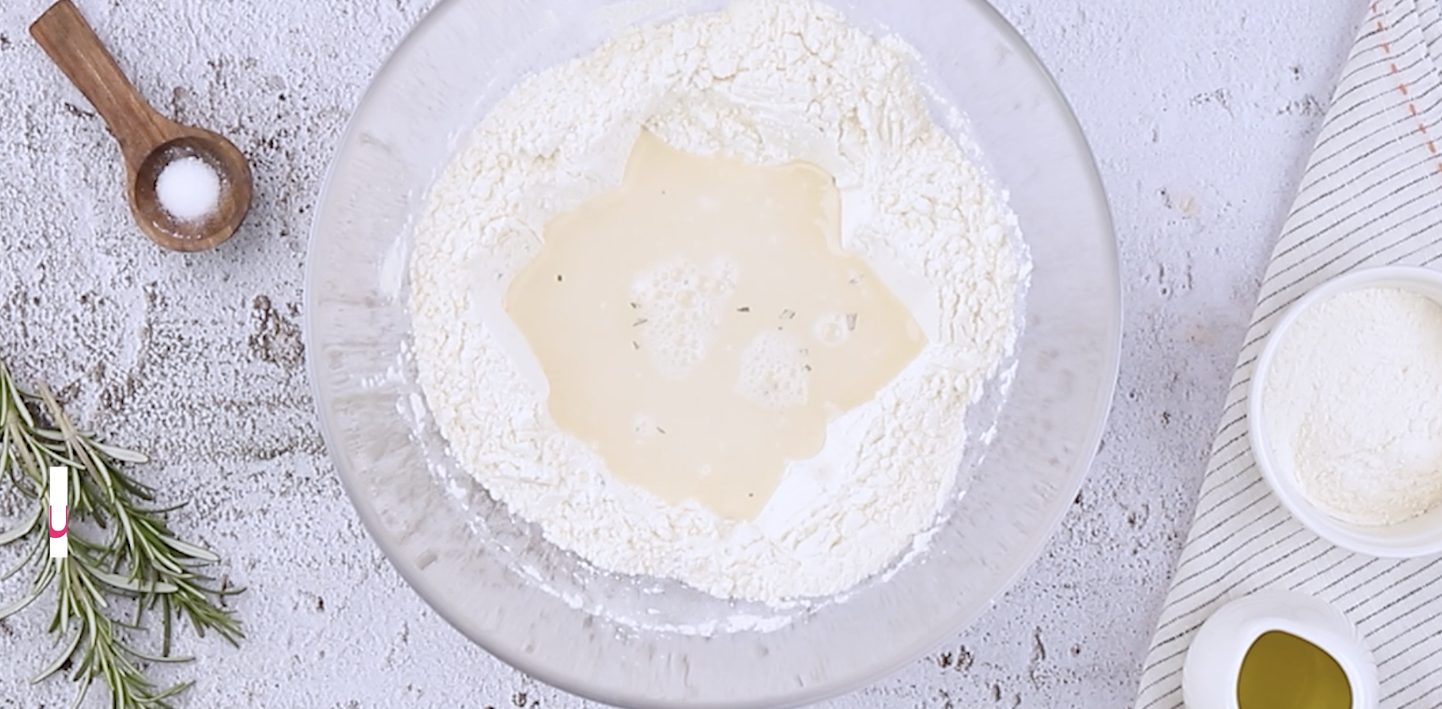
Combine the flour, salt, rosemary, water, and extra virgin olive oil in a bowl. Stir until everything starts coming together, then knead with your hands until the dough becomes soft.
Combine the flour, salt, rosemary, water, and extra virgin olive oil in a bowl. Stir until everything starts coming together, then knead with your hands until the dough becomes soft.
;Resize,width=712;)
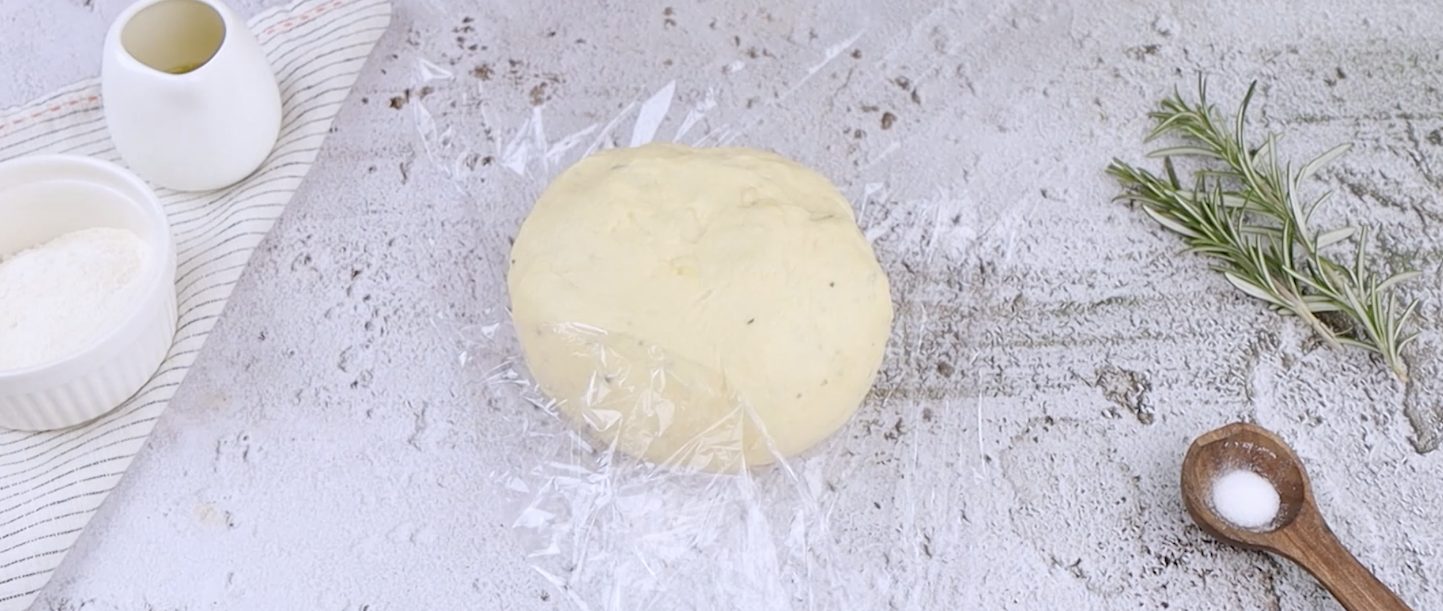
Wrap the dough with cling film and let it rest for 20 minutes.
Wrap the dough with cling film and let it rest for 20 minutes.
;Resize,width=712;)
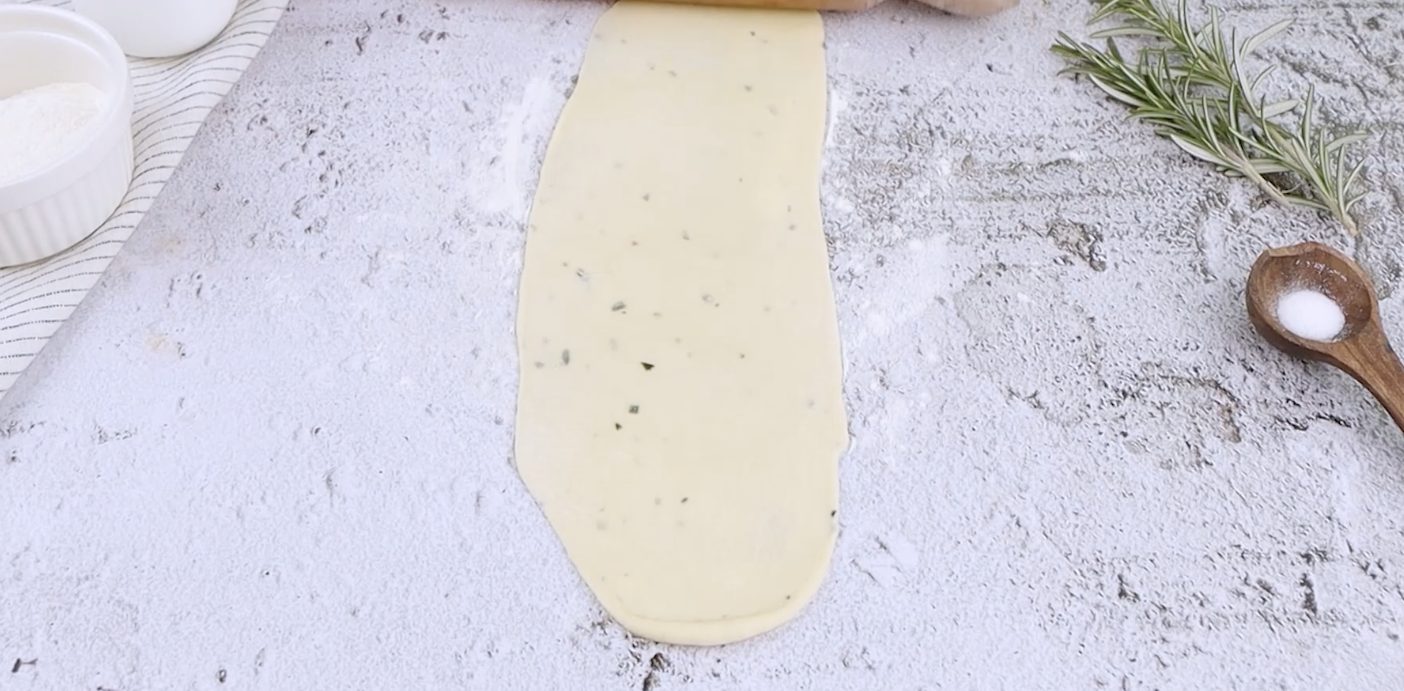
Remove the cling film and cut the dough into portions weighing roughly 30-40 grams each. Keeping the portions similar in size helps everything bake evenly. Flour your work surface and roll each portion into a long, thin sheet about 1-2mm thick.
Remove the cling film and cut the dough into portions weighing roughly 30-40 grams each. Keeping the portions similar in size helps everything bake evenly. Flour your work surface and roll each portion into a long, thin sheet about 1-2mm thick.
;Resize,width=712;)
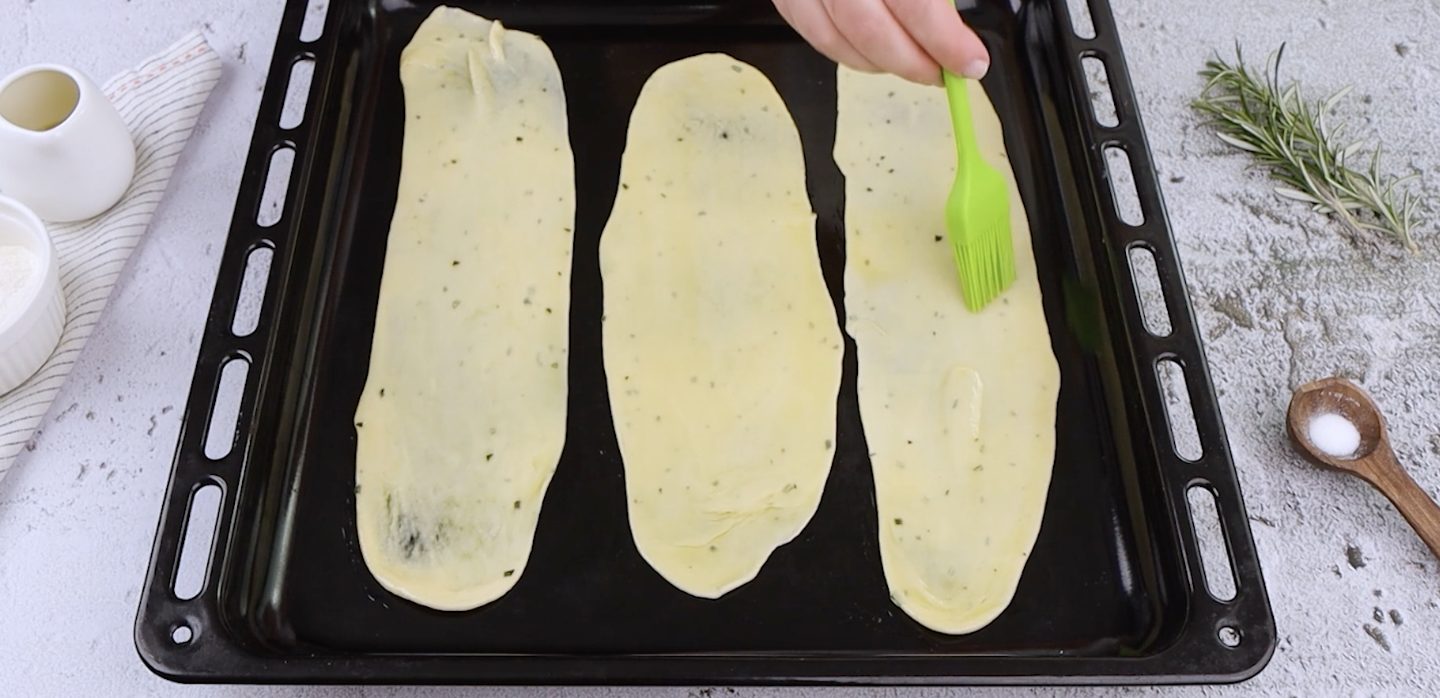
Transfer each sheet onto a baking tray and brush the tops with extra virgin olive oil.
Transfer each sheet onto a baking tray and brush the tops with extra virgin olive oil.
;Resize,width=712;)
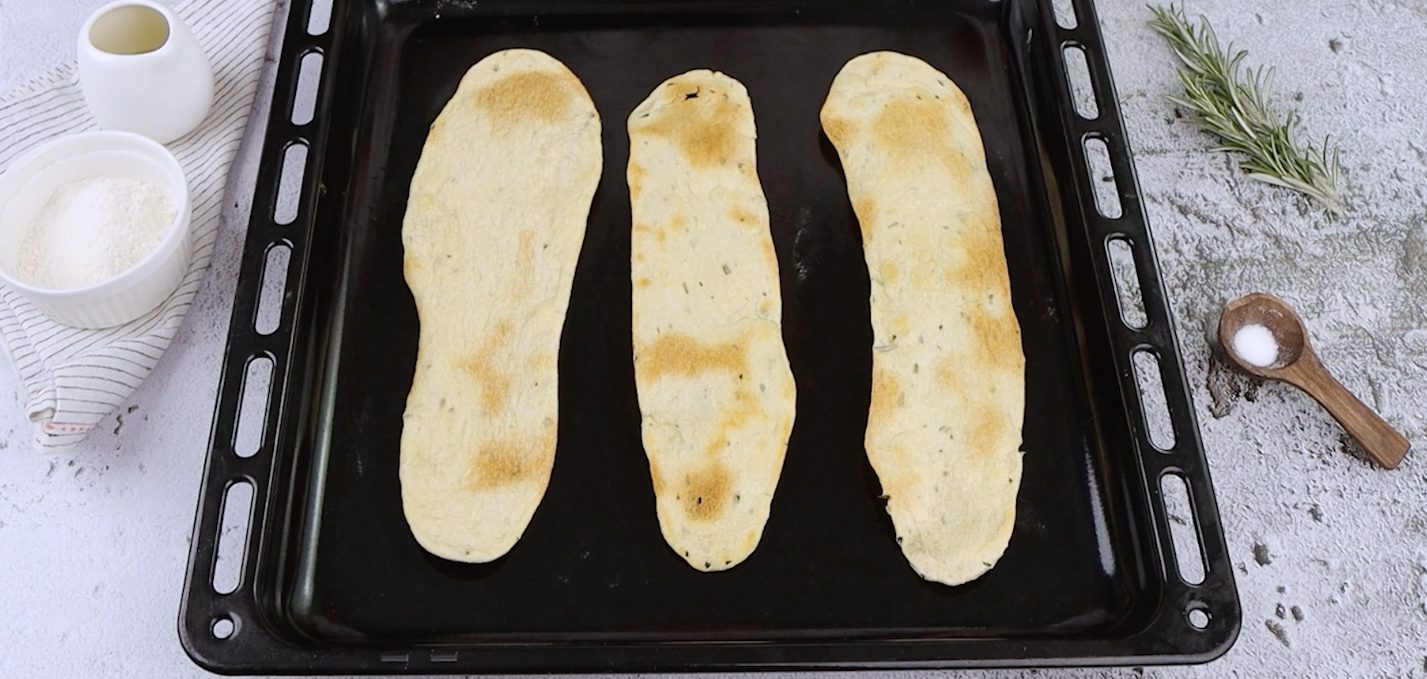
Bake in a preheated static oven at 190°C (374°F) for 15-20 minutes.
Bake in a preheated static oven at 190°C (374°F) for 15-20 minutes.
;Resize,width=712;)
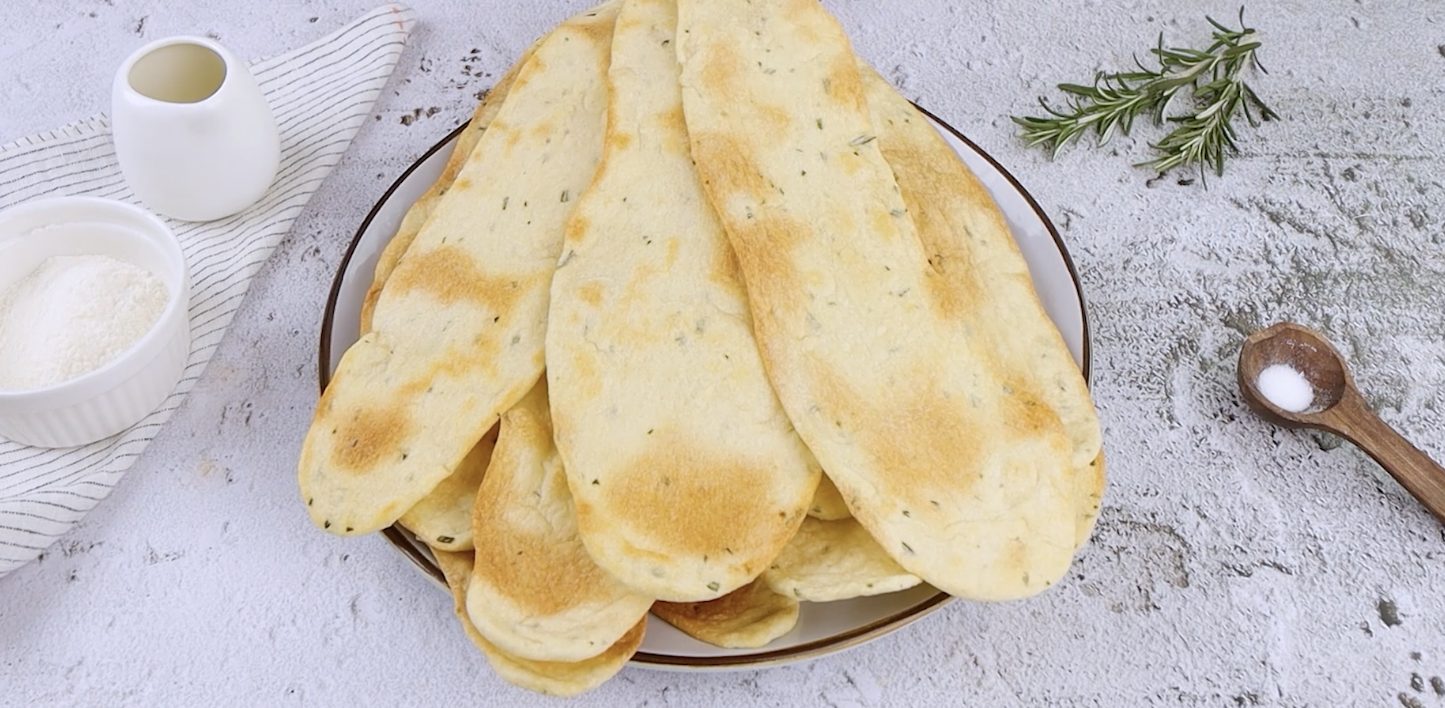
Enjoy!
Enjoy!
;Resize,width=767;)

