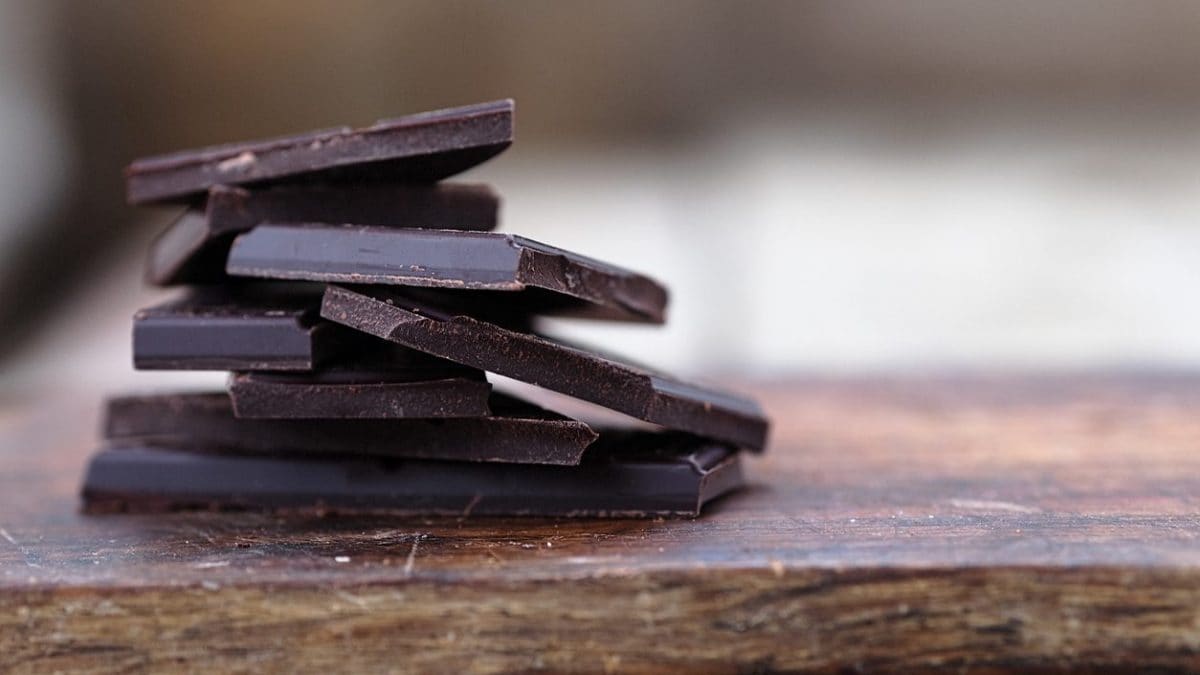
Slowing aging is one of the most fascinating goals of scientific research: between genes, lifestyle, and diet, scientists are searching for molecules capable of influencing the biological age of our bodies. One of these could be found in a food as common as it is beloved: dark chocolate. This is suggested by research conducted by King's College London, which has put theobromine, a natural compound found in cocoa, under the microscope.
Theobromine Under Scrutiny
Theobromine is a substance already known for its beneficial effects on the cardiovascular system, but the new study also attributes a potential role to it in the aging process. Researchers observed that higher concentrations of theobromine in the blood are associated with a biologically younger body compared to chronological age.
The research, published in the scientific journal Aging, analyzed two European population groups totaling over 1,600 people. The researchers compared circulating theobromine levels with various indicators of biological age, obtaining consistent and statistically significant results.

DNA and Telomeres, Indicators of Youth
To assess cellular aging, the team examined both chemical changes in DNA and the length of telomeres. These structures, located at the ends of chromosomes, naturally shorten with age. The analysis revealed a clear finding: the higher the presence of theobromine, the longer the telomeres, a sign of a younger biological age.
Jordana Bell, Professor of Epigenomics at King's College and coordinator of the study, urges caution: the findings should not be interpreted as an encouragement to consume large quantities of dark chocolate. Sugars and fats, if consumed in excess, could negate the observed benefits. The goal of the research is rather to understand how elements present in everyday foods can provide new keys to promoting a healthier and longer life.

A New Piece in The Puzzle of Aging Research
Geneticist Ramy Saad, who was involved in the study, also emphasized the significance of the discovery, calling it a promising step toward a deeper understanding of the mechanisms that regulate human aging. Theobromine thus joins the list of molecules that could, in the future, help modulate biological time.
Dark chocolate isn't a magic potion, but science suggests that some of its components may have positive effects at the cellular level. This study reinforces the idea that a well-balanced daily diet can play an important role in maintaining health and improving the quality of aging.
;Resize,width=767;)
